
- All
- Product Name
- Product Keyword
- Product Model
- Product Summary
- Product Description
- Multi Field Search


Views: 0 Author: Site Editor Publish Time: 2026-07-12 Origin: Site


Drinking seawater sounds impossible, and raw seawater is unsafe. But after proper treatment, it can become clean drinking water. A seawater desalination plant makes this possible by removing salt, minerals, and many impurities. In this article, you will learn when desalinated seawater is safe, what steps matter, and what buyers should check first.
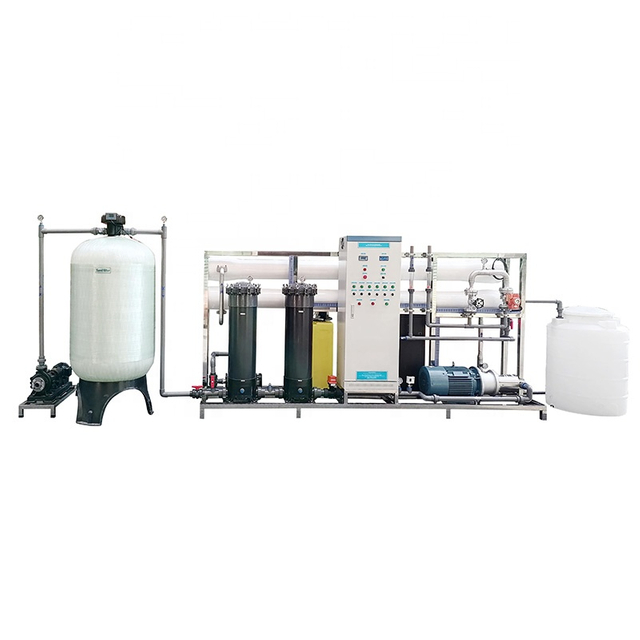
Yes, we can drink sea water after desalination, but only after complete treatment. Raw seawater is not safe because it contains too much salt. It may also contain sand, organic matter, microorganisms, oil, heavy metals, or other pollutants.
Desalination removes the main problem: dissolved salt. In a modern seawater desalination plant, reverse osmosis is often the core process. It pushes seawater through semi-permeable membranes. These membranes let water pass, but they reject most salts and many impurities.
Still, “desalinated” does not always mean “ready to drink.” Drinking water must also be clean, stable, and safe after treatment, storage, and delivery.
Raw seawater contains far more salt than the human body can handle. If someone drinks it directly, the body needs more water to remove the salt than the water it gains. This can lead to dehydration.
Seawater may also carry biological and chemical risks. Coastal water near ports, factories, farms, or tourist areas may contain pollutants. Open-ocean water can also vary due to algae, storms, or suspended solids. That is why a good desalination project starts by checking the source water.
A well-designed RO system can reduce salt, dissolved solids, suspended particles, and many contaminants. It can turn high-salinity seawater into fresh water suitable for further use.
For drinking water, salt removal is only one part of the answer. The system should also control turbidity, scaling, membrane fouling, microbes, taste, and storage contamination. This is why a complete seawater desalination plant includes more than RO membranes.
RO water can be very low in minerals. That may sound good, but very low-mineral water can taste flat. It may also become more aggressive toward pipes and tanks. For drinking use, many projects add remineralization, pH adjustment, or final polishing.
Disinfection is also important. Even if RO removes many microbes, water can be contaminated later in tanks or pipelines. UV sterilization, ozone, chlorine dosing, or other disinfection methods may be used based on local rules and project needs.
Desalinated seawater is drinkable when four conditions are met. The system must be designed for potable water. The treatment stages must match the feed water. The plant must be operated and maintained correctly. The final water must pass drinking-water testing.
Here is a practical summary:
Condition | Why It Matters |
Proper pretreatment | Protects membranes and improves system stability |
RO desalination | Removes salt and many dissolved impurities |
Final disinfection | Reduces microbial risk before use |
Remineralization or pH control | Improves taste and water stability |
Regular testing | Confirms the water is actually safe |
Clean storage and pipes | Prevents recontamination after treatment |
Note: Desalinated seawater should never be judged by taste alone. Use lab testing or online monitoring before approving it for drinking.
The process starts before seawater enters the main equipment. Intake design affects the whole system. If the intake pulls in too much sand, algae, floating debris, or oil, the plant may face unstable performance.
Basic screening removes larger particles. In coastal and offshore projects, operators also watch seasonal changes. Storms, algae blooms, and port activity can change seawater quality quickly. A stable intake helps reduce pressure on filters and membranes.
Pretreatment is one of the most important parts of safe desalination. It helps remove suspended solids, turbidity, chlorine risk, organic matter, and scaling minerals before the water reaches RO membranes.
Common pretreatment may include sediment filtration, activated carbon filtration, anti-scalant dosing, and security filtration. For difficult seawater, stronger pretreatment may be needed. This protects the membranes, reduces cleaning frequency, and supports more stable drinking-water output.
After pretreatment, high-pressure pumps push seawater through RO membranes. The membranes separate the flow into two streams. One stream is low-salt product water. The other is concentrated brine.
This step does the main desalination work. It is the reason a seawater desalination plant can convert seawater into usable fresh water. Good membrane selection, correct pressure, stable flow, and proper recovery rate all affect performance.
Fresh water from RO may still need adjustment. For drinking use, post-treatment can improve safety, taste, and stability. This may include UV disinfection, mineral dosing, pH adjustment, final filtration, or controlled chlorination.
Post-treatment also depends on the final use. Water for a factory process may not need the same profile as drinking water for a resort, vessel, or coastal community. The plant should be configured for the real purpose, not only for salt removal.
Modern systems often include automatic flushing, pressure protection, fault alarms, and online flow or pressure monitoring. These features help operators respond before small problems become serious.
Automation does not replace water testing. It supports stable operation. Operators still need to check filters, membranes, pumps, valves, chemical dosing, and water quality. A plant meant for drinking water should be managed as a complete water-safety system.
Tip: Before buying a system, ask for a clear treatment flow. It should show pretreatment, RO, post-treatment, monitoring, and storage requirements.
Desalinated seawater can be safe to drink, but testing confirms it. Important indicators include TDS, conductivity, pH, turbidity, microbial quality, and any site-specific contaminants.
For coastal industrial areas, extra testing may be needed. Heavy metals, hydrocarbons, boron, or chemical pollutants may matter depending on the seawater source. A reliable plant design should start with a feed water analysis.
RO removes many minerals. This helps reduce salt, but it can also change taste. Some people describe RO desalinated water as flat or thin. It may lack the mineral balance found in natural drinking water.
For this reason, many drinking-water projects add controlled mineral adjustment. This can improve taste and make water more stable for storage and distribution.
A key question is whether desalinated water still contains too much sodium. A properly designed RO system can reduce sodium to a much lower level. Yet the final number depends on feed water salinity, membrane condition, operating pressure, and system design.
If the water is used for drinking, sodium should be tested. This is especially important for hospitals, hotels, vessels, or communities serving many people.
Water can leave the desalination unit clean, then become unsafe later. Dirty tanks, old pipes, open vents, biofilm, and poor disinfection can all cause recontamination.
This matters for remote sites. A seawater desalination plant may run well, but the project still needs hygienic storage, clean distribution, and routine tank maintenance.
Not all seawater is the same. Open-ocean water, port water, beach intake water, and island groundwater mixing zones can have different risks. Turbidity, oil, algae, microorganisms, and chemical pollutants can change the treatment needs.
A plant designed for clean seawater may not perform well with polluted or highly variable seawater. Feed water testing should guide pretreatment design, membrane choice, chemical dosing, and cleaning plans.
Capacity matters. A small plant may produce enough water for a vessel or small facility. A large containerized system may support coastal communities, resorts, or industrial operations. The right system must match daily demand, peak demand, source water quality, and installation space.
If the plant is undersized, operators may push it beyond proper limits. This can reduce membrane life and water quality. If it is oversized, capital cost and energy use may rise without real benefit.
RO membranes do the core separation work. Fouling, scaling, oxidation, or aging can reduce rejection performance. When that happens, salt and impurities may pass through more easily.
Regular cleaning, correct pretreatment, automatic flushing, and timely replacement help protect final water quality. Operators should watch conductivity trends. A sudden rise may signal membrane damage or system imbalance.
Even good equipment needs good operation. Filters must be replaced. Dosing systems must be checked. Pumps and valves need inspection. Water tanks must be cleaned. Testing should follow a routine plan.
For drinking-water projects, maintenance is not optional. It is part of safety. Buyers should plan for spare parts, operator training, and technical support before the plant starts running.
Groundwater can be cheaper to treat when it is clean and available. But in coastal areas, groundwater may become salty due to seawater intrusion. It may also contain iron, hardness, bacteria, or agricultural pollutants.
Desalinated seawater offers a more predictable source where the ocean is nearby. The tradeoff is higher energy demand and more complex equipment.
Brackish water has less salt than seawater. It usually needs lower pressure and less energy. If brackish water is available and safe, it can be easier to treat.
However, many coastal and marine projects do not have enough brackish water. In those cases, a seawater desalination plant provides access to a much larger water source.
Bottled water is simple for short-term use. It is not always practical for islands, vessels, resorts, or emergency sites. Transport costs, plastic waste, storage space, and supply delays can become major problems.
Desalination supports local water production. It can reduce dependence on transported drinking water when the project has stable power, correct operation, and routine testing.
Municipal water is often the easiest source where infrastructure exists. But some coastal regions have weak pipelines, seasonal shortages, or rapid demand growth.
Desalination can support backup supply, emergency supply, or independent water production. It is especially useful where water security matters every day.
Many coastal communities have seawater nearby, but limited freshwater. Islands face the same issue. Rainwater may not be enough, and groundwater may be salty.
A desalination system can provide drinking water for homes, schools, clinics, and public facilities. For these projects, stable output and simple maintenance are very important.
Ships and offshore platforms need freshwater, but storage space is limited. Carrying all required water can be expensive and inconvenient.
Marine desalination helps crews produce water during operation. For offshore use, equipment should resist corrosion, vibration, humidity, and salt exposure.
Resorts need reliable water for rooms, kitchens, laundry, pools, and staff use. In coastal tourism areas, water demand may rise sharply during peak seasons.
Desalination can support service quality when local supply is weak. For guest drinking water, post-treatment and testing should be carefully managed.
Industrial sites may need water for workers, cleaning, process support, or utility systems. Coastal municipalities may need extra drinking-water capacity during drought or growth.
Containerized desalination systems can help when fast deployment is needed. They can reduce site construction work and support remote or temporary projects.
The first question is simple: is the plant designed for drinking water? Some systems are built for industrial water, irrigation, boiler feed pretreatment, or process water. Those uses may have different quality targets.
For drinking use, ask for potable-water configuration. This should include pretreatment, RO, final disinfection, and water-quality control.
Do not judge the plant by RO membranes alone. Review every stage. Intake, pretreatment, membrane separation, post-treatment, storage, controls, and maintenance all affect final quality.
A complete design should also explain how the system handles difficult seawater. If the project site has high turbidity or pollution risk, standard pretreatment may not be enough.
Capacity should match real demand. Recovery rate should match seawater quality and system goals. Higher recovery may produce more water, but it can increase scaling risk if not designed well.
Ask how much product water the plant can deliver per hour or per day. Also ask how stable that output is under local seawater conditions.
Automatic flushing, pressure protection, alarms, and monitoring can reduce operational risk. They help protect membranes and alert operators to problems.
Support also matters. A supplier should provide clear guidance on installation, commissioning, spare parts, training, and maintenance. For remote sites, this can decide whether the plant works well long term.
Yes, seawater can become safe drinking water after proper desalination, post-treatment, and testing. A reliable seawater desalination plant removes salt, protects membranes, and supports stable output. KYWATER provides RO desalination systems with pretreatment, automatic control, compact design, energy-saving operation, customization, and technical support for coastal, marine, industrial, and municipal water needs.
A: Yes. A seawater desalination plant can produce potable water after RO, disinfection, and testing.
A: Post-treatment improves taste, pH stability, and microbial safety.
A: RO is core, but safe drinking water also needs pretreatment and testing.
A: Cost depends on capacity, feed water quality, automation, and installation needs.
A: A seawater desalination plant supports local, continuous water supply.
