Views: 0 Author: Site Editor Publish Time: 2025-12-18 Origin: Site


I. Definition of Ultrapure Water
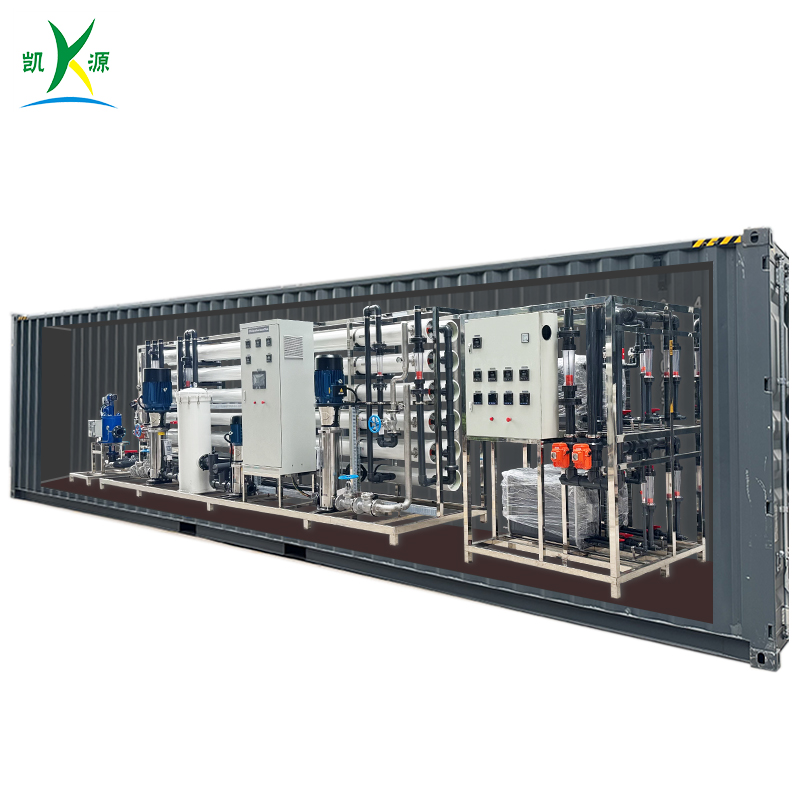
Ultrapure water is water free of impurities and ions. It undergoes multiple filtration, deionization, and ultraviolet sterilization processes. Ultrapure water achieves a conductivity of less than 1.0 μS/cm and a total dissolved solids (TDS) of less than 1 mg/L. Such water plays a crucial role in oil refining production.
II. The Role of Ultrapure Water in Oil Refining Production
1. Preventing Scale Formation
During the oil refining process, high temperatures and pressures easily lead to scale formation, causing blockages and damage to pipes and equipment. The low ion and impurity content of ultrapure water prevents scale formation.
2. Reducing Equipment Corrosion
In crude oil processing and refining, oxygen and other impurities cause equipment corrosion. Ultrapure water effectively reduces corrosion and extends equipment lifespan.
3. Improving Production Efficiency
Oil refining production requires highly precise measurement and control. Ultrapure water ensures the accuracy and stability of instruments, thereby improving production efficiency.
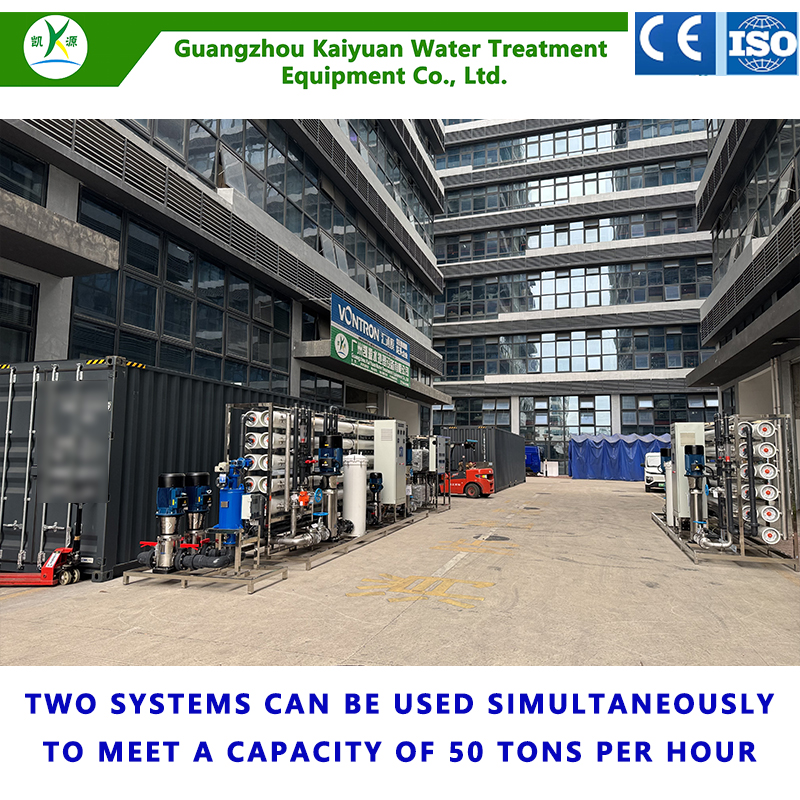
III. Applications of Ultrapure Water Ultrapure water is widely used in oil refineries, such as in steam systems, cooling water systems, boiler feedwater, and refinery wastewater treatment. In these applications, ultrapure water plays a crucial role, ensuring normal production operation and improving production efficiency.
In short, oil refineries must use ultrapure water because it plays a vital role in preventing scale formation, reducing equipment corrosion, improving production efficiency, and ensuring normal operation and quality. It is essential for oil refineries.