


Views: 0 Author: Site Editor Publish Time: 2025-09-05 Origin: Site


Nitrates are naturally occurring compounds present in soil and water, but when they accumulate at high levels in drinking water, they can pose serious health risks. Infants, pregnant women, and individuals with certain medical conditions are particularly vulnerable. Excessive nitrates can lead to methemoglobinemia, commonly known as “blue baby syndrome,” which reduces the blood's ability to carry oxygen. For adults, long-term exposure may increase the risk of blood circulation problems, thyroid issues, and other chronic health complications. Ensuring nitrate-free water is therefore essential for homes, schools, hospitals, and commercial facilities.
Nitrates typically enter water supplies through both natural processes and human activities:
Agricultural runoff from fertilizers and pesticides
Septic system leakage and improper waste disposal
Industrial effluents containing nitrate compounds
These contaminants can seep into groundwater, wells, and surface water, making water treatment necessary before consumption or use in industrial processes.
Unlike sediment or particulate matter, nitrates are dissolved ions, so standard filters are insufficient. Specialized filtration systems are required to safely reduce nitrate levels:
Reverse Osmosis (RO) systems use semi-permeable membranes to block nitrate ions while allowing clean water to pass through.
Ion exchange filters replace nitrate ions with harmless ions like chloride or bicarbonate.
Distillation units remove nitrates by heating water into vapor and condensing it, leaving contaminants behind.
Using the correct filtration system ensures safe, high-quality water for both residential and commercial applications.
Infants consuming high-nitrate water may develop methemoglobinemia, which can lead to:
Bluish skin and lips
Shortness of breath and fatigue
Severe cases may require hospitalization or result in developmental complications
While adults are less sensitive than infants, prolonged exposure to elevated nitrates can cause:
Blood circulation and cardiovascular problems
Formation of nitrosamines, increasing the risk of certain cancers
Thyroid, kidney, and metabolic dysfunction
High nitrate levels can also affect industrial operations and the environment:
Corrosion and scaling in pipes, boilers, and water-dependent machinery
Contamination of rivers, lakes, and reservoirs, impacting aquatic ecosystems
Regulatory non-compliance for municipal water and industrial operations
Understanding these risks highlights the importance of effective nitrate removal to protect human health, equipment, and the environment.
Nitrate removal from water is a critical concern for both residential and industrial applications, as excessive nitrate levels can pose serious health risks and negatively impact equipment performance. Standard filtration systems, such as sediment or activated carbon filters, are generally ineffective against nitrates because these compounds exist in dissolved ionic form. To address this challenge, specialized filtration technologies have been developed, including ion exchange systems, reverse osmosis (RO) units, and combination solutions that integrate multiple methods for enhanced performance.
Ion exchange filtration is one of the most widely used methods for nitrate removal. This technology utilizes high-quality resin beads that selectively exchange nitrate ions in the water with harmless ions such as chloride or bicarbonate. As water passes through the resin bed, nitrates are captured and removed, leaving treated water with significantly reduced nitrate content. This approach is highly efficient for moderate to high nitrate concentrations and is commonly applied in both household and industrial water treatment. Residential units can handle typical household consumption, while industrial-scale systems are designed to treat large volumes of water required for manufacturing, chemical processing, or food and beverage production. Periodic maintenance, such as resin regeneration using a safe brine solution, ensures the continued effectiveness and longevity of the system.
Reverse osmosis systems offer another highly effective solution for nitrate removal. RO relies on a semi-permeable membrane that allows water molecules to pass through while blocking dissolved ions, including nitrates, heavy metals, and other contaminants. This method can achieve removal efficiencies of up to 95–99%, producing ultra-pure water suitable for sensitive applications. RO systems are ideal for situations where extremely low nitrate levels are required, such as pharmaceutical manufacturing, laboratory use, or food processing. In addition to removing nitrates, RO improves overall water quality by reducing total dissolved solids (TDS), enhancing taste, and preventing scaling and corrosion in pipes and equipment. However, RO units require regular maintenance, including membrane cleaning and periodic pre-filter replacement, to ensure consistent performance.
In high-demand or industrial settings, combination systems that integrate ion exchange and reverse osmosis technologies are often employed for optimal nitrate removal. In such setups, water first passes through an ion exchange unit that removes the bulk of nitrate ions, followed by an RO membrane that eliminates remaining dissolved nitrates and other contaminants. This two-stage approach provides highly reliable and comprehensive water purification, ensuring compliance with stringent water quality standards and protecting sensitive equipment. Combination systems are particularly useful in industries such as chemical processing, food and beverage production, pharmaceutical manufacturing, and any application where water purity directly affects product quality, operational safety, or regulatory compliance.
By carefully selecting the appropriate filtration technology, users can achieve safe, nitrate-free water tailored to their specific needs. Whether through standalone ion exchange units, RO systems, or integrated combination solutions, advanced nitrate removal ensures healthier drinking water, prevents damage to industrial equipment, and supports sustainable water management practices. Regular testing of water quality and proper maintenance of filtration units are essential for maintaining efficiency and long-term reliability.
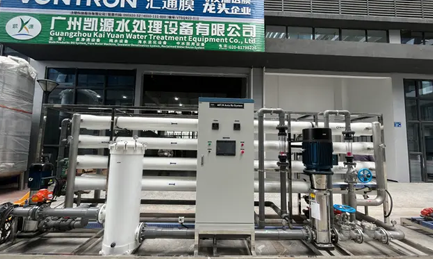
RO is among the most efficient methods for nitrate removal. These systems use a semi-permeable membrane that blocks nitrate ions while allowing purified water to pass through. Benefits include:
Removes 95–99% of nitrates
Enhances water taste and odor
Reduces other dissolved contaminants such as heavy metals, salts, and certain organics
Ion exchange systems replace nitrate ions with safe ions such as chloride or bicarbonate. Key advantages:
Efficient for moderate nitrate concentrations
Filter resins can be regenerated periodically
Cost-effective for residential and commercial applications
Water distillation removes nitrates through evaporation and condensation. Nitrates and other dissolved solids remain in the boiling chamber.
Produces highly purified water
Effective against nitrates and additional dissolved chemicals
Energy-intensive and slower than RO systems, making them less suitable for high-volume needs
Technology | Nitrate Removal Efficiency | Maintenance | Cost |
Reverse Osmosis | 95–99% | Replace filters every 6–12 months | Moderate to high |
Ion Exchange | 80–95% | Resin regeneration required | Moderate |
Distillation | 99%+ | Regular cleaning, energy-intensive | High |
Selecting the right technology depends on water quality, usage volume, and budget. Often, combining multiple methods ensures reliable nitrate removal and consistent water quality.
Chemical processes often require water with low nitrate content to prevent unwanted reactions, scaling, and equipment damage. Using ion exchange or RO systems can maintain process integrity and extend equipment life.
In food and beverage operations, nitrate-free water is essential for:
Bottled water production
Soft drink and juice manufacturing
Ingredient mixing and formulation
Filtration ensures compliance with health standards and maintains product quality.
Pharmaceutical facilities require water that meets strict USP or EP standards. Nitrates and other dissolved solids can interfere with drug formulation, cleaning, and sterilization processes. Combination systems that include RO and ion exchange filters provide the necessary purity levels.
While industrial applications often demand large-scale filtration, residential users also benefit from nitrate removal:
Private wells affected by agricultural runoff
Areas with high nitrate contamination in groundwater
Safe drinking water for infants, pregnant women, and vulnerable populations
The choice of nitrate removal system depends on the scale of usage:
Residential systems: Compact RO or ion exchange units suitable for single-family homes or apartments, focusing on convenience and cost-efficiency.
Commercial/Industrial systems: Larger systems combining RO, ion exchange, and distillation to handle higher volumes and strict quality standards, supporting businesses, food processing, and municipal water safety.
Before installing a filter, water should be professionally tested for:
Nitrate levels in mg/L or ppm
Presence of other dissolved contaminants
Determining whether a single filtration method or a combination is necessary
Water often contains multiple contaminants such as heavy metals, chlorine, and VOCs. Pairing nitrate removal with activated carbon filters, ultrafiltration (UF), or other purification systems ensures comprehensive treatment, improving water safety, taste, and overall quality.
By evaluating water quality, usage needs, and treatment options, users can choose the most effective, reliable, and cost-efficient system for safe drinking water.
Removing nitrates from water is critical for health, safety, and environmental compliance. Advanced filtration technologies—such as RO, ion exchange, and distillation—offer effective solutions for both residential and industrial applications. By selecting the appropriate system, combining treatments when necessary, and maintaining equipment regularly, users can ensure safe, high-quality water while protecting plumbing, machinery, and the environment.
For expert guidance on selecting and installing nitrate removal systems, consider consulting Guangzhou Kai Yuan Water Treatment Equipment Co., Ltd., a trusted provider of advanced water filtration solutions for homes and industries. Their professional support helps guarantee clean, safe water and long-term system performance.


