


Views: 0 Author: Site Editor Publish Time: 2026-01-02 Origin: Site


Clean water is essential for everyday life, whether it is used for drinking, cooking, or industrial applications. Poor water quality can introduce harmful contaminants such as bacteria, heavy metals, or chemical residues that affect human health, damage household appliances, and reduce the efficiency of industrial systems. For example, excess chlorine in tap water may cause skin irritation, while sediment and rust particles can clog pipes and boilers in factories. Ensuring water purity is therefore critical not only for safe consumption but also for maintaining long-term equipment performance and meeting regulatory standards.
Water filters are designed to remove unwanted impurities by passing water through specialized materials that trap or neutralize contaminants. Depending on the filtration system, this may involve:
Mechanical filtration – removing visible particles like sand, silt, and rust.
Activated carbon filtration – absorbing chlorine, pesticides, and volatile organic compounds (VOCs).
Membrane filtration (UF/RO) – blocking microorganisms, dissolved salts, and heavy metals.
By combining these technologies, modern water filters ensure a consistent supply of clean, safe, and high-quality water for both domestic and industrial use.
Sediment refers to small solid particles that can be suspended in water. The most common types include:
Sand – often introduced from underground water sources or old distribution systems.
Silt – fine soil particles that can enter water during heavy rainfall or through poorly maintained pipelines.
Rust – caused by corrosion in aging metal pipes and storage tanks.
Dirt and debris – external contaminants that may enter water supplies through leaks or broken infrastructure.
While sediment particles may not always pose direct health risks, they create significant problems for both homes and industries:
Clogging pipes and fittings – buildup reduces water flow and increases maintenance costs.
Damaging appliances – washing machines, dishwashers, boilers, and water heaters often suffer reduced efficiency and shorter lifespans when exposed to sediment-laden water.
Affecting water clarity and taste – visible particles make water unappealing for drinking and cooking.
Industrial system wear – in factories, sediment accelerates equipment erosion, increasing downtime and repair expenses.
To combat these issues, sediment water filters (such as cartridge filters, sand filters, or multi-stage systems) are installed to trap these particles before they reach taps or machinery. Regular filter replacement ensures long-term protection of plumbing infrastructure and preserves appliance performance.
Municipal water supplies often contain chlorine or chloramine, which are added as disinfectants to kill harmful bacteria and viruses. While effective for sanitation, these chemicals may leave behind unpleasant taste and odor. In addition, pesticides, herbicides, and industrial solvents can seep into water sources through agricultural runoff or chemical waste discharge, creating long-term health concerns.
Unpleasant taste and smell – chlorine leaves water with a “swimming pool” taste, making it less appealing for drinking and cooking.
Potential health effects – long-term exposure to high levels of chemical residues may increase risks of skin irritation, respiratory issues, and other health problems.
Industrial concerns – in manufacturing or food processing, even small amounts of chemical residue can compromise product quality and safety standards.
Activated carbon filtration is one of the most effective ways to reduce chlorine and chemical contaminants. The porous surface of carbon has millions of micro-pores that adsorb (not just filter) chlorine molecules, volatile organic compounds (VOCs), and pesticide residues. This process improves water taste, smell, and overall quality, making it safer for both domestic and industrial applications.
Regular replacement of activated carbon filters ensures consistent performance, preventing chemical breakthrough and maintaining reliable protection.
Heavy metals are toxic elements that can contaminate water through aging pipelines, industrial discharges, mining operations, and agricultural runoff. The most concerning types include:
Lead – often leaches from old plumbing systems and fittings.
Mercury – introduced from industrial waste and mining activities.
Arsenic – naturally present in underground aquifers, especially in certain regions.
Cadmium – found in industrial effluents, batteries, and fertilizers.
Even trace amounts of heavy metals pose serious health risks:
Lead – linked to neurological damage, developmental delays in children, and hypertension.
Mercury – causes kidney damage, nervous system disorders, and impaired immune function.
Arsenic – long-term exposure is associated with cancer, skin lesions, and cardiovascular disease.
Cadmium – can damage kidneys, weaken bones, and accumulate in body tissues over time.
Beyond human health, heavy metals also threaten industrial operations:
Corrosion acceleration – damages pipelines, machinery, and storage tanks.
Product contamination – unsafe for food processing, pharmaceuticals, and beverage industries.
Increased maintenance costs – removing heavy metal buildup requires frequent equipment servicing.
Advanced filtration technologies are required to effectively reduce heavy metals, including:
Reverse Osmosis (RO) Systems – force water through semi-permeable membranes that block metal ions.
Ion Exchange Filters – replace toxic metal ions with harmless sodium or potassium ions.
Specialized Media Filters – use adsorption resins or activated alumina to capture arsenic and cadmium.
These solutions ensure safer drinking water, longer equipment lifespan, and compliance with health and safety standards.
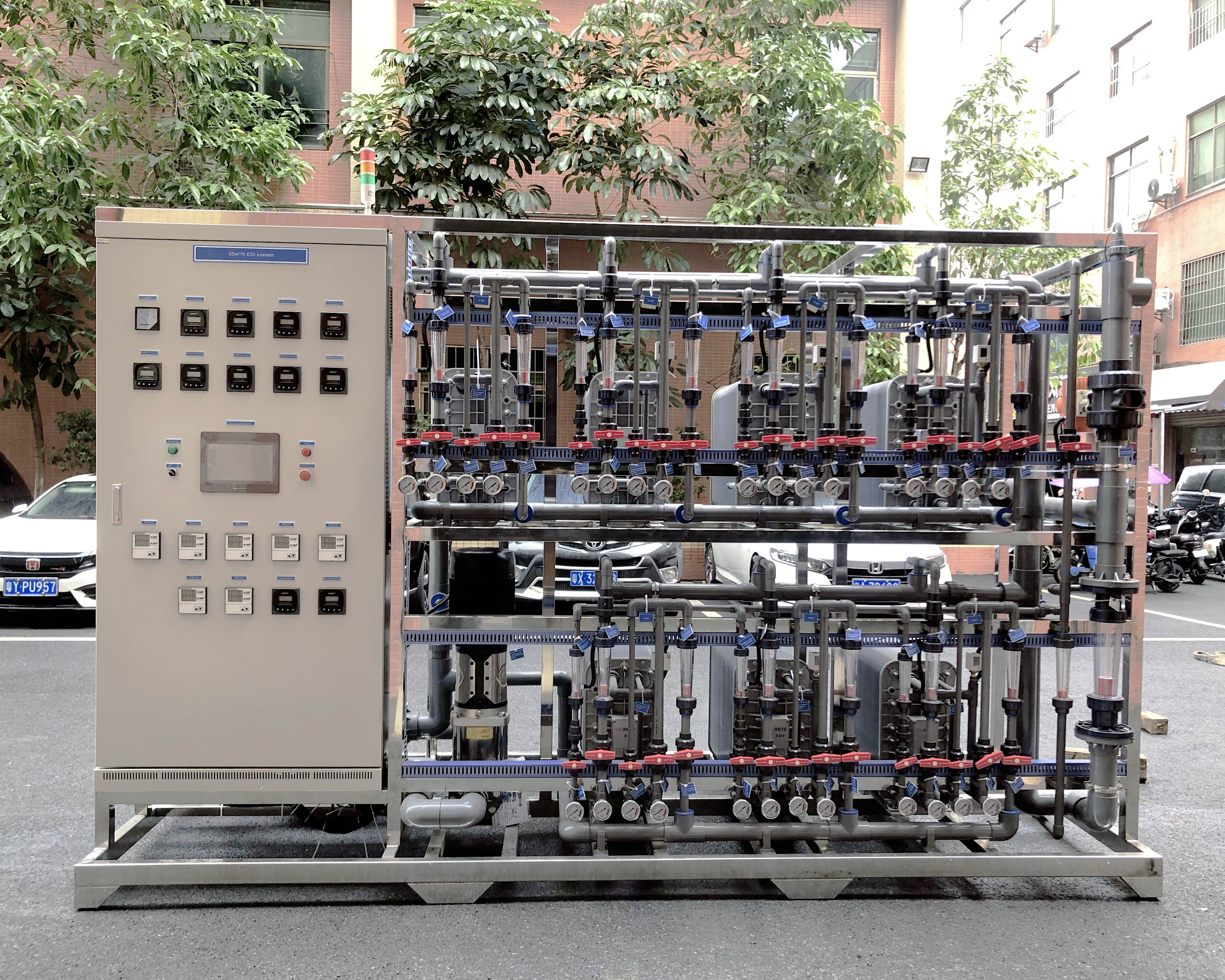
Water can harbor harmful microorganisms that spread through natural sources, sewage infiltration, or insufficient treatment:
Bacteria – such as E. coli and Salmonella, which cause gastrointestinal infections.
Protozoa – like Giardia and Cryptosporidium, resistant to chlorine disinfection and dangerous for vulnerable populations.
Viruses – including norovirus and hepatitis A, which spread rapidly in untreated water supplies.
Microbial contamination poses significant risks to human health:
Acute symptoms like diarrhea, nausea, and fever.
Chronic risks such as kidney and liver complications.
Outbreaks in industrial and municipal water systems that affect large populations.
Effective removal of microorganisms requires advanced technologies:
Ultrafiltration (UF) – membranes with pore sizes small enough to block bacteria and protozoa.
Reverse Osmosis (RO) – offers the highest level of microbial protection by filtering out bacteria, protozoa, and viruses.
UV Sterilization (Supplementary) – often paired with filters to neutralize remaining pathogens.
VOCs are chemical contaminants that evaporate easily into the air but also dissolve in water supplies. Common sources include industrial discharges, fuel leaks, and agricultural chemicals. Prolonged exposure can lead to:
Headaches and nausea
Damage to liver, kidneys, and nervous system
Increased risk of cancer from compounds like benzene and trichloroethylene
Activated carbon filters are the most effective solution for VOC removal, as they adsorb harmful chemicals and improve water taste and odor.
Oil residues and grease often come from manufacturing plants, food processing industries, and runoff from machinery. In water systems, they can:
Form a film that reduces oxygen transfer
Block pipelines and damage filtration equipment
Create foul taste and odor in drinking water
Oil-water separators combined with carbon filtration help remove these residues effectively, making water safe for industrial and domestic use.
Industrial solvents like toluene, xylene, and acetone are highly toxic even in trace amounts. They enter water systems through chemical plants, paint industries, and improper waste disposal. Risks include:
Long-term organ damage
Contamination of municipal and industrial water supplies
Severe environmental impact on aquatic life
Advanced oxidation processes (AOPs), reverse osmosis (RO), and nanofiltration (NF) are widely used for solvent removal, ensuring water meets safety standards.
Nitrates commonly enter water from fertilizer runoff, septic systems, and agricultural activities. High nitrate levels can cause:
Methemoglobinemia (“blue baby syndrome”) in infants
Reduced oxygen-carrying capacity in blood for adults
Potential long-term health concerns with chronic exposure
Ion exchange systems and reverse osmosis (RO) are effective methods for reducing nitrate concentration in drinking water.
While low levels of fluoride can prevent tooth decay, excessive amounts may cause:
Dental fluorosis
Skeletal fluorosis and joint pain
Potential kidney and thyroid issues
Specialized activated alumina filters and RO systems can control fluoride levels to safe standards.
Trace amounts of medications and hormones can enter water through human waste and improper disposal of pharmaceuticals. These residues may lead to:
Disruption of aquatic ecosystems
Potential antibiotic resistance
Hormonal effects in humans and animals
Advanced oxidation processes (AOPs) and nanofiltration (NF) are proven techniques to remove these challenging contaminants, ensuring water safety for both domestic and industrial use.
For pollutants that are difficult to remove with conventional filters, combining multiple technologies—such as RO, AOP, and specialized adsorption media—ensures:
Safe and clean drinking water
Protection of industrial systems and equipment
Compliance with environmental and health regulations
Removing contaminants from water is essential for safe drinking water and overall well-being. Clean water free from bacteria, heavy metals, chemical residues, and pharmaceuticals can help:
Prevent gastrointestinal infections and waterborne diseases
Reduce long-term health risks such as cancer, kidney damage, or developmental issues in children
Improve taste, odor, and clarity, making water more appealing for daily consumption
Contaminated water can severely impact household appliances, plumbing systems, and industrial machinery:
Sediment, rust, and minerals cause blockages and reduce the lifespan of water heaters, pumps, and filtration systems
Organic compounds and oils lead to corrosion and frequent maintenance needs
Advanced filtration reduces downtime and repair costs, saving money in the long run
Industries and municipal systems must meet strict environmental and health regulations. Effective water filtration ensures:
Safe discharge of water into natural waterways
Prevention of chemical, pharmaceutical, and heavy metal pollution
Compliance with local and international water quality standards
By addressing these key factors, high-quality water filtration not only protects human health but also supports sustainable industrial operations and environmental stewardship.
Water filters are essential for providing safe, clean, and high-quality water in homes, industries, and commercial settings. Advanced filtration systems remove sediment, heavy metals, chemical residues, microorganisms, VOCs, and pharmaceutical contaminants, protecting both health and equipment while supporting environmental compliance. Choosing the right combination of technologies—such as activated carbon, reverse osmosis, ultrafiltration, and ion exchange—ensures effective treatment for diverse water challenges. Regular maintenance and timely filter replacement guarantee long-term reliability and performance. For those seeking professional solutions and expert guidance, Guangzhou Kai Yuan Water Treatment Equipment Co., Ltd. offers comprehensive consultation, customized systems, and technical support to meet all water purification needs. Contact them today to explore solutions for clean and safe water.


