


Views: 0 Author: Site Editor Publish Time: 2025-04-14 Origin: Site


Reverse osmosis (RO) technology has become one of the most reliable and efficient methods for producing clean water, especially in regions facing water scarcity or contamination. From industrial plants to residential systems, RO plants serve a wide array of needs. However, before investing in a reverse osmosis plant, it’s crucial to understand the cost structure associated with different types of systems.
Pricing transparency is essential for RO buyers because it helps them make informed decisions based on their specific needs, budget, and long-term goals. Whether you're a homeowner looking to purify tap water or an industrial operator in need of a large-scale desalination system, understanding the factors that influence the cost of a reverse osmosis plant can help you plan for both initial investment and ongoing maintenance.
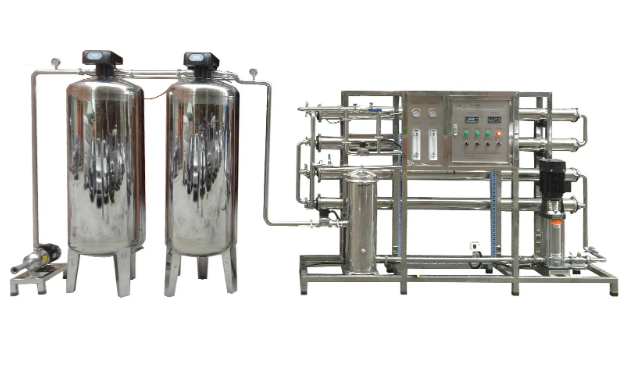
Several factors impact the cost of a reverse osmosis plant. These factors include the capacity of the plant, the type of water source being treated, the level of customization required, and the integration of automation or monitoring systems. Understanding these factors will help you evaluate which options best fit your needs.
The capacity of the reverse osmosis plant is one of the most significant factors influencing its cost. Capacity refers to the amount of water the system can purify within a given timeframe, typically measured in liters per hour (LPH) or liters per day (LPD).
Residential Systems: These systems are designed for low water demand, typically for a household’s drinking and cooking needs. They usually have a capacity ranging from 50 to 500 liters per day, depending on the size of the household and the water quality needs. Residential systems are generally more affordable, costing anywhere from $100 to $1,500.
Commercial Systems: These systems are meant for small businesses or establishments like restaurants, hotels, or offices, which require higher water output. These systems typically have capacities ranging from 1,000 to 10,000 liters per day. The cost for commercial systems can range between $2,000 and $15,000, depending on the complexity and features.
Industrial Systems: Large-scale industrial systems can range from 10,000 liters per day to millions of liters per day. These systems are necessary for industries such as food and beverage processing, pharmaceuticals, power plants, and municipalities. The price range for industrial RO plants varies widely but can range from $20,000 to several million dollars, depending on the system's capacity and complexity.
The type of water being treated significantly affects the cost of the RO plant. Different water sources require different pre-treatment processes, and seawater systems, in particular, tend to be more expensive than tap or brackish water systems.
Tap Water: RO systems for tap water are typically the least expensive. Since the water has already been treated by municipal systems, the RO plant only needs to filter out remaining impurities, such as chlorine, lead, or pesticides. These systems are often found in homes and small businesses. As mentioned earlier, they can cost between $100 and $1,500.
Brackish Water: Brackish water, which contains a higher level of dissolved solids than tap water but is not as salty as seawater, requires a slightly more advanced filtration system. RO plants designed for brackish water may include additional pre-treatment stages, such as filtration or chemical dosing. These systems are more costly than those designed for tap water, typically ranging from $2,000 to $30,000.
Seawater: Seawater desalination plants, which are designed to remove salt from seawater and convert it into potable water, require the most robust and expensive reverse osmosis systems. Seawater systems must be designed to handle high salinity, and thus require specialized membranes, high-pressure pumps, and complex pre-treatment stages. Costs for seawater desalination RO plants can start at around $100,000 and can easily run into millions of dollars for large-scale plants.
The level of customization required for the RO plant also plays a significant role in determining its cost. Customization might include specific filtration requirements, membrane types, size constraints, or integration with other water treatment processes.
Standard Systems: Off-the-shelf reverse osmosis systems that are designed to handle typical water purification needs are more affordable. These systems usually don’t require much customization and are suitable for residential, commercial, or light industrial applications.
Customized Systems: If you need a specialized RO plant, such as one designed to handle highly contaminated water, or a system that integrates with other water treatment methods (e.g., UV sterilization or chemical dosing), the price can go up significantly. Customization can add anywhere from $5,000 to $50,000 or more, depending on the complexity and the specific needs.
Modern RO systems are increasingly equipped with automation and monitoring capabilities. These technologies allow users to monitor water quality, manage flow rates, track system performance, and even schedule maintenance remotely. Automation and monitoring systems can increase the overall cost but offer significant benefits in terms of operational efficiency and maintenance savings.
Basic Systems: Basic RO systems without automation and monitoring are generally less expensive and are suitable for residential and small commercial uses. These systems may cost anywhere from $100 to $5,000.
Advanced Systems: For larger systems or applications where operational efficiency and reliability are crucial, adding automation and remote monitoring capabilities can cost anywhere from $10,000 to $100,000, depending on the system's size and complexity.
Now that we’ve outlined the factors influencing cost, it’s essential to break down the price ranges for various RO plants based on their size and application.
For households that need purified drinking water, residential reverse osmosis systems are the most common choice. These systems are typically installed under the sink or as point-of-use systems and have lower capacity. The cost for these units ranges from $100 to $1,500, depending on the brand, features, and filtration capacity. In most cases, these systems are designed to purify between 50 and 500 liters of water per day.
Commercial-grade reverse osmosis systems are designed to serve businesses and organizations with medium to high water demand, such as hotels, restaurants, and office buildings. These systems typically have a capacity of 1,000 to 10,000 liters per day. Prices for commercial RO systems range from $2,000 to $15,000, depending on capacity, water source, and features. For businesses that require constant water availability, investing in a higher-end system can ensure efficiency and reliable performance.
Industrial reverse osmosis systems are much larger and can handle volumes of water from 10,000 liters per day to millions of liters per day. These systems are tailored to industrial applications such as power generation, food processing, pharmaceuticals, and large-scale desalination plants. The cost for these systems starts at $20,000 and can escalate to millions of dollars for large or containerized units designed for specific purposes. For example, containerized RO plants are self-contained units that can be easily relocated, and they typically cost between $100,000 and $500,000, depending on the capacity and level of automation.
When evaluating the cost of a reverse osmosis plant, it’s essential to consider not only the initial investment but also the long-term value. For example, while a low-cost RO system may seem appealing initially, its long-term operational costs, such as maintenance, energy consumption, and membrane replacement, can quickly add up.
At KYWATER, we focus on providing high-quality, durable RO systems that deliver excellent ROI (Return on Investment). Our systems are designed for efficiency, with low energy consumption and minimal maintenance requirements. By using high-quality membranes and incorporating advanced automation and monitoring systems, KYWATER ensures that its customers get the most value for their investment over the life of the system.
In conclusion, the cost of a reverse osmosis plant varies widely based on factors like capacity, water source, customization, and the integration of automation systems. Residential systems are relatively affordable, while industrial and containerized plants can cost significantly more. However, regardless of the size and application, it’s essential to consider both the upfront cost and the long-term value of the system.
By investing in a high-quality RO plant from a trusted manufacturer like KYWATER, you ensure that your water treatment needs are met efficiently and reliably. With a focus on ROI, efficiency, and durability, KYWATER’s RO systems are designed to provide lasting value, making them a worthwhile investment for both residential and industrial customers.


