


Views: 0 Author: Site Editor Publish Time: 2026-01-11 Origin: Site


Reverse osmosis (RO) plants are critical in water purification and desalination processes, providing clean, safe drinking water in many parts of the world. By using a semi-permeable membrane, these systems filter out contaminants, dissolved salts, and other impurities from water, making it safe for consumption. However, while reverse osmosis plants are highly effective, they require a significant amount of energy to operate. Understanding how much energy is needed for a reverse osmosis plant to function efficiently and how to optimize energy consumption is crucial for both operational cost management and environmental sustainability.
Reverse osmosis operates on a simple but highly effective principle. Water is forced through a semi-permeable membrane that allows water molecules to pass but blocks contaminants, salts, and other impurities. This filtration process requires a significant amount of pressure to push the water through the membrane, especially when dealing with saline or contaminated water.
In this process, energy is primarily used to create the pressure necessary for the water to move through the membrane. The higher the concentration of contaminants in the water, such as in seawater desalination, the more energy is required to achieve the desired level of purification.
Energy consumption in reverse osmosis systems is associated with several factors. The most significant energy-consuming activities are:
Membrane Filtration: This is the heart of the reverse osmosis process. The semi-permeable membrane needs a constant force, usually in the form of pressure, to push water through. This pressure is created by energy-intensive pumps that need to maintain constant flow rates.
Pressurization: Water must be pressurized to overcome the natural osmotic pressure, particularly when filtering seawater or brackish water. The pressure required can vary based on the salinity of the water and the efficiency of the system.
Water Treatment: Additional energy is needed for post-filtration processes like UV treatment, remineralization, or disinfection, depending on the system's design and water quality goals.
The total energy required for these activities directly influences the operational cost and efficiency of the RO system.
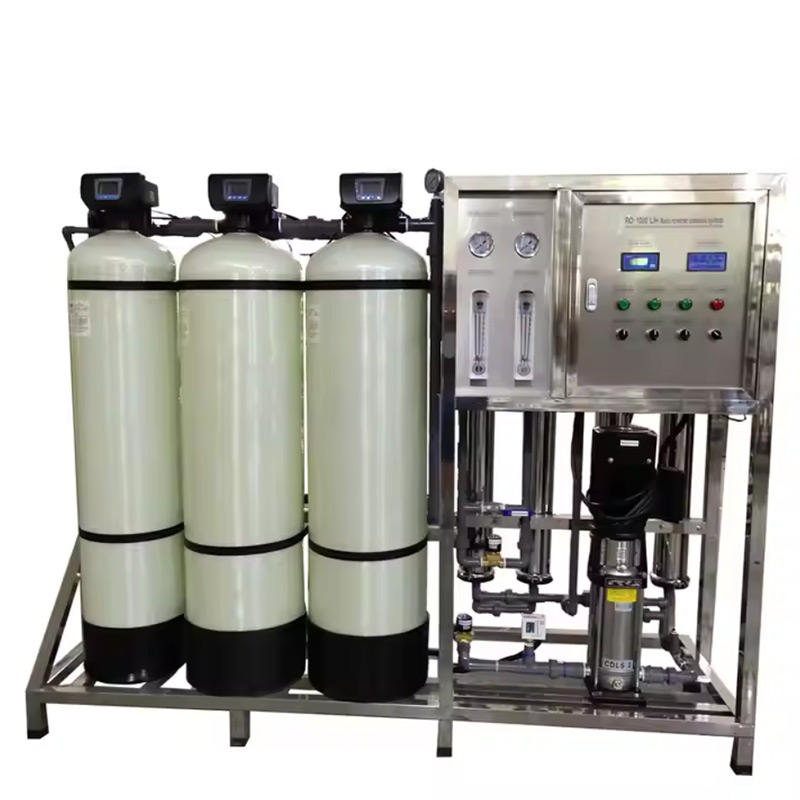
The energy consumption of a reverse osmosis plant varies depending on the plant’s size, the type of water being treated, and the specific technologies employed. On average, energy consumption for reverse osmosis systems ranges from 3 to 6 kilowatt-hours (kWh) per cubic meter of water processed. For larger-scale plants, energy consumption can be higher, but efficiency improvements are often seen in high-volume operations.
For example, a small-scale 4-ton reverse osmosis system typically requires about 8 kW per hour to operate. Larger plants, especially those involved in seawater desalination, can consume much more energy—ranging from 10 to 15 kWh per cubic meter, depending on the salinity of the feedwater and the system's efficiency.
Several factors can influence how much energy is required for reverse osmosis plant operation. These include:
Water Quality and Salinity: The salinity of the water being treated plays a significant role in energy consumption. Seawater desalination requires much more energy than purifying freshwater or brackish water due to the high osmotic pressure that needs to be overcome.
System Model and Efficiency: The efficiency of the reverse osmosis system itself is crucial. Older or poorly designed systems may require more energy to achieve the same output. Advances in membrane technology, energy recovery devices, and automation can significantly reduce energy consumption.
Operational Time and Frequency: The longer a system operates and the more water it processes, the higher the total energy consumption. Plants operating 24/7, especially large-scale ones, may use several megawatt-hours of energy per day.
Temperature and Pressure Conditions: Water temperature and pressure conditions also affect energy consumption. Higher water temperatures generally reduce the pressure needed to push water through the membrane, thereby decreasing energy consumption. Conversely, higher pressures are required when dealing with colder water, increasing energy usage.
There are several strategies that can be implemented to optimize the energy consumption of reverse osmosis plants:
Energy-Efficient Technologies: Modern reverse osmosis systems are equipped with energy recovery devices (ERDs) that capture and reuse energy from the high-pressure brine stream. This reduces the energy required for pressurization, resulting in significant energy savings. Systems that use low-energy membranes or operate at lower pressures can also help reduce energy consumption.
Regular System Maintenance and Optimization: Keeping the system well-maintained is essential to ensuring optimal performance. Regular cleaning of the membranes, replacement of worn-out filters, and checking system components like pumps and pressure vessels can reduce unnecessary energy usage.
Proper Calibration of System Parameters: Adjusting pressure and flow rates to optimal levels can improve system efficiency. For example, ensuring that pumps are operating at their most energy-efficient speed can help minimize unnecessary power consumption.
The integration of renewable energy sources into reverse osmosis plants has the potential to significantly reduce their environmental footprint. Solar power, for instance, can provide a clean and renewable source of energy for operating RO systems. In areas with abundant sunlight, using solar panels to power RO plants can lead to a reduction in both energy costs and greenhouse gas emissions.
Similarly, wind energy can be harnessed for reverse osmosis operations, particularly in coastal regions where wind speeds are higher. Combining sustainable energy with energy-efficient RO technology could pave the way for more environmentally friendly and cost-effective water purification systems.
Beyond energy consumption, operating a reverse osmosis plant involves several other cost components, including:
Maintenance and Filter Replacements: Reverse osmosis systems require regular maintenance, such as membrane cleaning, replacement of pre-filters, and other consumables. These costs can add up over time, especially in large-scale systems.
Labor Costs: Skilled labor is needed to operate, maintain, and troubleshoot reverse osmosis plants. The labor costs associated with system upkeep can vary depending on the complexity and size of the plant.
Water Treatment Chemicals: Some systems require chemicals for cleaning, membrane preservation, or additional water treatment, which can increase operational costs.
Improving the energy efficiency of reverse osmosis plants has a direct impact on operating costs. By reducing energy consumption, plants can lower their utility bills and reduce their carbon footprint. Furthermore, energy-efficient systems tend to have longer lifespans and require fewer maintenance interventions, translating into lower overall operating expenses in the long term.
One of the biggest challenges in reverse osmosis operations is balancing energy usage with the desired water purification output. In some cases, achieving higher purification levels requires more energy, and this can drive up costs. However, with the right technology and maintenance, it’s possible to achieve a balance that minimizes energy consumption while still delivering high-quality water.
High energy consumption can be a major concern for large-scale reverse osmosis plants, especially in regions where energy prices are high. In some cases, operational costs may be prohibitively expensive, particularly if the plant is not utilizing energy recovery devices or sustainable energy sources.
Reverse osmosis systems generate brine waste—highly concentrated saltwater that must be carefully managed to prevent environmental damage. The disposal of brine can be costly and environmentally challenging. Solutions to minimize the impact of brine waste, such as brine desalination or alternative disposal methods, are important to reduce the environmental footprint of RO systems.
Several common failures can lead to increased energy consumption in reverse osmosis plants. These include:
Pump Malfunction: Malfunctioning pumps can cause inefficiencies in pressurization, resulting in higher energy usage.
Membrane Degradation: If membranes become clogged or degraded, the system will need to work harder to push water through, increasing energy consumption.
Regular preventive maintenance, such as monitoring system components, cleaning membranes, and adjusting operational settings, can help prevent these failures and ensure that the system operates at maximum energy efficiency.
Ensuring that operators are properly trained in energy-efficient practices and troubleshooting can lead to significant energy savings. Operators should be able to detect inefficiencies quickly and address them before they lead to increased energy consumption.
In conclusion, the energy required to operate a reverse osmosis plant is influenced by several factors, such as the water type, system efficiency, and operational conditions. While reverse osmosis systems can be energy-intensive, adopting energy-saving strategies like integrating energy recovery devices, optimizing system maintenance, and incorporating renewable energy sources can significantly reduce energy consumption. By managing energy usage and operating costs effectively, reverse osmosis plants can deliver long-term, cost-effective, and sustainable water purification solutions.
For businesses seeking to optimize their reverse osmosis systems, Guangzhou Kai Yuan Water Treatment Equipment Co., Ltd. (KYWATER) offers cutting-edge solutions designed to reduce energy consumption while enhancing system performance. With their expertise in water treatment and energy-efficient technologies, KYWATER can help you select and maintain the ideal system for your needs. To learn more about how KYWATER can improve the efficiency of your reverse osmosis plant, or for personalized advice, contact their team today.


