


Views: 0 Author: Site Editor Publish Time: 2025-09-14 Origin: Site


A reverse osmosis (RO) plant is a vital technology used for purifying water by removing dissolved solids, contaminants, and impurities through a semi-permeable membrane. These systems are integral in producing clean, safe drinking water, especially in areas where natural water resources are scarce or contaminated. However, like any mechanical system, reverse osmosis plants require regular maintenance to function at peak efficiency. Over time, components wear out, and the plant may need to be replaced entirely. This article explores how often reverse osmosis plants should be replaced, the factors influencing their lifespan, and the best practices to extend their operational life.
A well-maintained reverse osmosis plant typically lasts between 10 to 15 years, though this can vary depending on several factors such as usage frequency, the quality of the feedwater, and the overall design of the system. The primary components that contribute to the longevity of an RO system include the RO membrane, pre-filters, post-filters, and various pumps and valves. These components degrade over time due to continuous exposure to pressure, water contaminants, and cleaning processes.
Several factors affect the lifespan of an RO system:
Usage Frequency: The more frequently the system is used, the faster its components will degrade. For example, a plant that operates 24/7 will experience more wear and tear than one used intermittently.
Water Quality: Feedwater quality is a significant factor. High levels of contaminants, such as minerals, chlorine, fluoride, and organic matter, can cause rapid deterioration of the membranes and filters. Hard water, for example, can lead to scaling, while high levels of chlorine can damage the membranes.
System Design: The design of the system itself also plays a role in its lifespan. High-quality components, proper installation, and regular maintenance schedules can extend the life of the plant.
The following components are crucial in determining the lifespan of an osmosis plant:
RO Membrane: The RO membrane is the heart of the filtration process. Over time, the membrane becomes clogged with impurities, and its performance declines. Typically, RO membranes need to be replaced every 2-3 years, though this depends on the quality of the feedwater and maintenance practices.
Pre-Filters: These are the first line of defense in an RO system. They filter out larger particles and contaminants before the water reaches the membrane. Sediment pre-filters and carbon pre-filters should be replaced every 6-12 months to maintain optimal performance.
Post-Filters: Post-filters are used to polish the water before it exits the system. They help remove any remaining particles or impurities that could affect water taste or quality. These should be replaced annually.
Pressure Pumps and Other Mechanical Components: The pumps used to drive water through the RO membrane can wear out after extended use. Depending on the usage, these pumps may last anywhere from 5-10 years before requiring replacement.
The efficiency and lifespan of an RO system are heavily dependent on regular maintenance. Neglecting maintenance can lead to decreased water quality, increased energy consumption, and higher operating costs. Timely replacement of filters and membranes helps maintain the system’s efficiency, preventing costly repairs and ensuring the continued production of clean, purified water.
Effects of Neglected Maintenance: If maintenance is neglected, the RO system may experience reduced water flow, higher pressure drops, and poor filtration, leading to increased wear on the components. Over time, this can result in higher operational costs and the need for expensive repairs.
Different components of the RO system require replacement at different intervals:
Sediment Pre-Filter: These filters should be replaced every 6-12 months. The frequency depends on the water quality and the amount of sediment present in the feedwater.
Carbon Pre-Filter: Similar to sediment filters, carbon filters should also be replaced every 6-12 months. They are essential for removing chlorine and other chemicals that can damage the RO membrane.
RO Membrane: The RO membrane is typically replaced every 2-3 years. However, in systems where water quality is poor or the system operates at high recovery rates, membranes may need to be replaced more frequently.
Post/Polishing Filters: These filters help remove any remaining chlorine or odor from the water and should be replaced annually.
Remineralization Filters: If your system includes remineralization filters to add essential minerals back into the purified water, they should be replaced every 12 months.
Several factors influence the timing of component replacements:
Usage Frequency: Systems that are used more frequently, such as those in industrial or commercial applications, may require more frequent filter and membrane replacements.
Water Quality: If the feedwater contains high levels of contaminants like fluoride, chlorine, or sediment, filters and membranes will degrade faster, requiring more frequent replacement.
Level of Contaminants: Water with a higher level of contaminants may cause faster clogging of the pre-filters and RO membrane, leading to more frequent maintenance.
It’s essential to keep an eye on the performance of your RO system to ensure it’s functioning optimally. Some common signs that indicate the need for maintenance or replacement include:
Decreased Flow Rate: A noticeable reduction in the flow rate is often a sign that the filters or membrane are clogged or that the system is experiencing performance issues.
Unpleasant Taste or Odor: If the water begins to taste or smell bad, it could indicate that the filters or membranes need replacing, as they are no longer effectively removing contaminants.
Water Discoloration: If the purified water becomes discolored, it may signal that the system is not filtering out contaminants as it should.
Ineffective Filtration: If contaminants reappear in the treated water, it’s a sign that the system’s filtration capacity has been compromised, and components such as the membrane may need replacement.
Regular water testing is an effective way to determine when your RO system requires maintenance or replacement. Testing for contaminants such as heavy metals (lead, arsenic), pesticides, or microbial contaminants (e.g., bacteria) can help you assess whether the system is still functioning properly.
Professional water testing can detect issues that are not immediately visible, such as the presence of harmful chemicals like BPAs, lead, or other toxins that may affect water quality. These tests can guide your maintenance schedule and ensure the system is effectively meeting water quality standards.
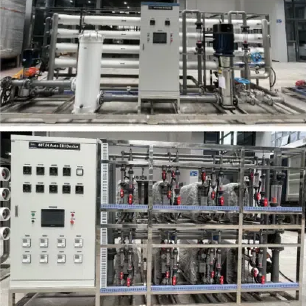
To get the most out of your reverse osmosis plant, regular monitoring and maintenance are crucial. Some best practices for extending the lifespan of your system include:
Regularly Monitor the System: Keep an eye on the system’s performance, including water flow, pressure, and output quality. Early detection of problems can prevent major failures.
Use Water with Lower Contaminants: If possible, use pre-treated water or install additional filters to reduce the strain on the RO membrane and other components.
Properly Maintain the Pressure and Flow Rate: Ensure that the system’s pressure and flow rate are calibrated correctly to avoid undue stress on the components.
Pre-Treatment: Using pre-filters like sediment and carbon filters can greatly reduce the load on the RO membrane and extend its lifespan.
Cleaning and Sanitizing the System: Annually clean and sanitize the RO system to remove any bacterial growth or scale buildup. This will help maintain the efficiency of the system and prevent early replacement.
While individual components like filters and membranes can be replaced, the entire reverse osmosis plant may eventually reach the end of its useful life. Factors such as wear on critical components (RO membrane, pumps), the age of the plant, and technological advancements all contribute to the decision to replace the system.
Sometimes, frequent repairs or the need for expensive parts replacements can make it more cost-effective to replace the entire system. Newer systems often come with improved energy efficiency, enhanced filtration capabilities, and better performance.
Technological advancements in RO technology mean that newer plants are often more efficient and environmentally friendly, requiring less energy and offering better filtration performance. Replacing an outdated system can provide significant long-term savings.
Reverse osmosis plants typically last between 10 to 15 years, depending on usage, water quality, and system design. Regular maintenance and timely replacement of components are essential to ensure maximum efficiency and extend the system's lifespan. Signs such as decreased flow rate, water discoloration, or reduced filtration quality indicate that maintenance or component replacement is necessary to avoid costly repairs. Proactive care and monitoring can help maintain the system's reliability, ensuring consistent production of clean water for years to come.
For those seeking to enhance the performance and longevity of their RO systems, Guangzhou Kai Yuan Water Treatment Equipment Co., Ltd. (KYWATER) offers high-quality solutions and expert guidance. Their advanced technologies are designed to optimize RO plant efficiency, reduce operational costs, and ensure long-term system reliability. Contact KYWATER today to learn more about how their customized solutions can meet your water treatment needs and improve system performance.


