


Views: 0 Author: Site Editor Publish Time: 2026-03-12 Origin: Site


Hard water stains keep coming back? Your water softener machine may not be working at full strength. Over time, salt bridges and sludge build up inside the brine tank, reducing regeneration efficiency and allowing hardness minerals to return. Many homeowners overlook this simple maintenance step. In this guide, you will learn how to safely clean your brine tank, restore strong regeneration, and extend the life of your water softener machine.
The brine tank stores salt and creates a concentrated brine solution during regeneration. When your water softener machine enters a regeneration cycle, it draws this brine into the resin tank. The salt solution recharges the resin beads by replacing trapped calcium and magnesium ions with sodium ions. This restores the softening capacity of the system. Without clean brine production, regeneration becomes incomplete, and soft water output declines. Keeping the brine tank clean ensures strong ion exchange and consistent performance.
The brine tank and resin tank operate as a coordinated system. The resin tank performs the actual softening, while the brine tank provides the recharge solution. During normal use, hard water flows through resin beads. During regeneration, brine from the brine tank flushes the resin bed. If the brine tank cannot dissolve salt properly, the resin beads will not recharge fully. That reduces efficiency and shortens resin lifespan. A clean brine tank supports optimal operation of the entire water softener machine.
When sludge or salt crust forms inside the brine tank, salt cannot dissolve evenly. This may lead to salt bridges, brine draw failure, or incomplete regeneration cycles. As a result, hardness minerals remain in household water. You may notice cloudy glassware, scale buildup, or reduced soap lather. Over time, appliances such as water heaters and dishwashers accumulate scale. Regular cleaning prevents these issues and protects long-term system efficiency.
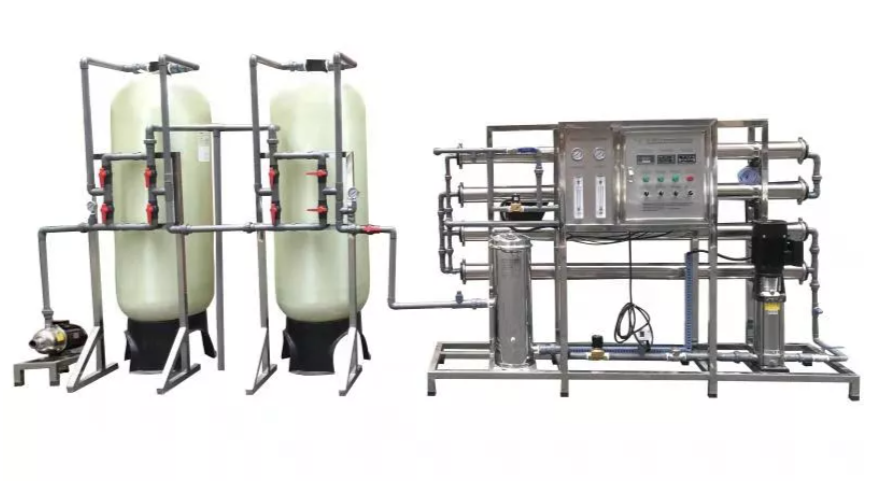
Early indicators often appear in water quality and system behavior. If softened water hardness rises above 3 grains per gallon after regeneration, brine concentration may be inadequate. A salt bridge can create a hollow space between water and salt, blocking dissolution. Thick sludge at the bottom may restrict brine draw and reduce suction efficiency. Musty odors can signal microbial growth in stagnant brine. You may also notice longer regeneration cycles or inconsistent refill levels. Addressing these signs early prevents resin fouling and preserves stable softening performance.
Cleaning frequency depends on hardness level, salt type, and daily water consumption. In regions above 15 grains per gallon, annual cleaning helps prevent excessive insoluble buildup. Households using high-purity pellets may extend intervals to 12–18 months under moderate hardness conditions. Systems processing over 300 liters daily experience faster salt turnover and may require more frequent inspection. Commercial installations often follow scheduled preventive maintenance to maintain consistent brine concentration and regeneration accuracy. Adjust cleaning intervals based on performance trends rather than fixed calendar dates.
A clean brine tank supports accurate brine saturation, typically near 26% sodium chloride concentration at equilibrium. Stable concentration improves ion exchange efficiency inside the resin bed and reduces excess salt discharge. Consistent regeneration lowers calcium breakthrough and minimizes scale formation in plumbing systems. It also reduces mechanical strain on injectors and control valves by ensuring unobstructed brine flow. Over time, proper maintenance decreases salt consumption per regeneration cycle and maintains optimal hardness removal, preserving the overall efficiency of the water softener machine.
Proper tool selection improves cleaning efficiency and protects internal components of your water softener machine. Using corrosion-resistant materials and correct tool specifications prevents damage to the brine tank, float assembly, and seals. The structured guide below outlines recommended tools, technical parameters, and practical considerations for professional-grade cleaning.
| Tool | Primary Application | Recommended Specifications | Key Technical Parameters | Typical Use Scenario | Precautions | Professional Insight |
|---|---|---|---|---|---|---|
| Wet/Dry Vacuum | Remove standing water and brine sludge | Power ≥ 1000 W | Suction ≥ 15 kPa; Tank capacity ≥ 15 L | Emptying brine tank bottom | Ensure grounded outlet | Strong suction reduces dilution during cleaning |
| Plastic Bucket (HDPE) | Transport brine or discarded salt | 10–20 L capacity | High-density polyethylene construction | Temporary brine disposal | Do not reuse for drinking water | HDPE resists sodium chloride corrosion |
| Long-Handled Nylon Brush | Scrub tank interior | Length ≥ 40 cm | Medium stiffness nylon bristles | Remove salt residue and buildup | Avoid metal brushes | Nylon prevents scratching polyethylene tank walls |
| Phillips Screwdriver (PH2) | Remove float assembly | Standard PH2 head | Magnetic tip preferred | Disassemble brine well components | Disconnect power before use | PH2 fits most control valve screws |
| Nitrile or Rubber Gloves | Hand protection | Thickness ≥ 0.4 mm | Chemical-resistant material | Full cleaning process | Rinse and dry after use | Nitrile offers better chemical resistance than latex |
| Plastic Scraper | Break salt bridges | Polypropylene blade | Rounded edge design | Remove hardened crust | Avoid metal tools | Reduces structural damage to tank surfaces |
Tip:Prioritize non-metal, corrosion-resistant tools to prevent interior scratches and maintain the structural integrity of the brine tank over time.
Use mild, non-abrasive dish soap with a neutral pH to dissolve salt film without degrading polyethylene tank walls. For sanitizing, dilute 60 mL (¼ cup) of unscented household bleach (5–6% sodium hypochlorite) in 7–11 liters (2–3 gallons) of water. This produces an effective chlorine concentration for surface disinfection while remaining safe for plastic components. Allow 15–20 minutes of contact time, then rinse thoroughly to remove residual chlorine. Avoid combining bleach with acids such as vinegar, as this can release hazardous gases. Always complete the process with a clean water rinse to prevent chemical carryover during regeneration.
Prepare high-purity salt pellets containing ≥99% sodium chloride to minimize insoluble residue accumulation. Evaporated pellets offer the lowest insoluble content, typically below 0.1%, which reduces sludge buildup. Inspect the salt grid or platform for cracks or warping, as structural damage can alter brine saturation levels. Ensure at least 15–20 liters of clean water is available for proper refill depth. Using appropriate replacement materials stabilizes brine concentration, supports consistent ion exchange, and allows the water softener machine to resume full regeneration efficiency immediately after cleaning.
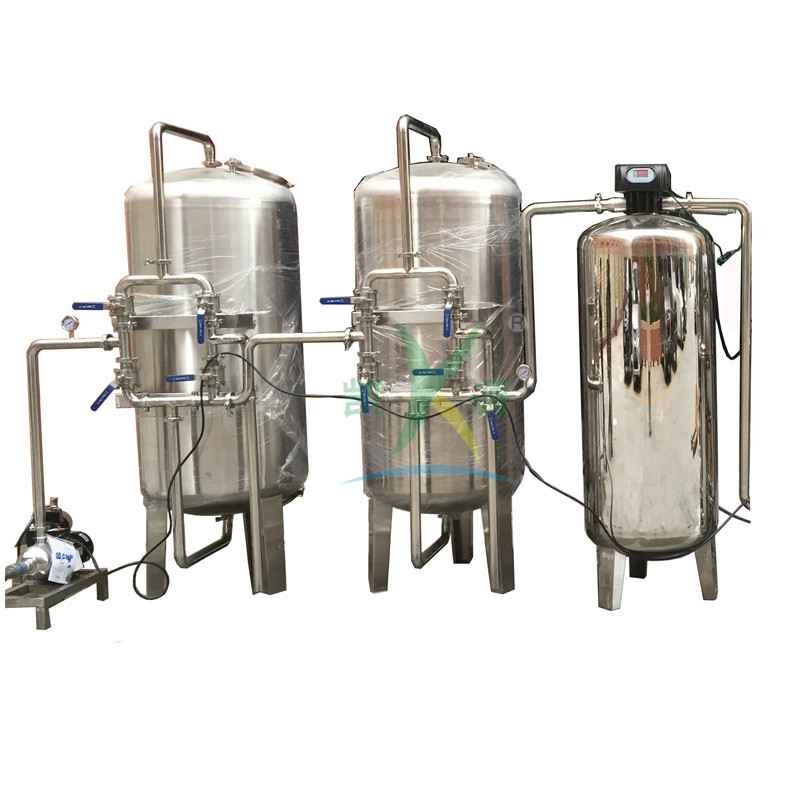
Before servicing, confirm the water softener machine has completed any active regeneration cycle. Switch to bypass to isolate household plumbing and relieve internal pressure by briefly opening a nearby faucet. Disconnect power to protect the control board. When removing salt, inspect for compacted layers near the brine well, as these often block proper brine draw. Extract residual water completely to prevent dilution during cleaning. Dispose of brine on gravel or soil away from vegetation, since high sodium concentration can damage root systems and soil structure.
Use warm water around 40–50°C to improve salt residue removal without deforming plastic walls. Scrub evenly to avoid scratching surfaces that may trap future buildup. When applying the bleach solution, ensure a concentration near 50–100 ppm chlorine for effective sanitization. This level controls bacterial growth without degrading tank components. Allow full contact time before rinsing thoroughly. Check the float assembly for mineral scale and verify smooth vertical movement. A clean interior ensures accurate brine concentration during future regeneration cycles.
Reinstall all components carefully to maintain airtight seals in the brine line. Even minor air leaks can disrupt suction during regeneration. Add approximately 15–20 liters of clean water to reach proper brine formation depth. Fill with high-purity pellets to about 50% capacity, allowing room for airflow and expansion. After dissolution begins, initiate a manual regeneration to confirm strong brine draw and normal discharge flow. Monitor the first cycle to verify correct refill timing and stable operation.
Salt bridges develop when relative humidity rises above 60%, allowing surface salt to absorb moisture and recrystallize into a hard crust. Salt mushing forms when fine particles settle at the tank bottom and remain submerged, creating a dense slurry that blocks water flow. To prevent both, maintain salt depth between 30–60% of tank capacity and avoid compacting pellets when refilling. Use high-purity evaporated pellets with low insoluble content. Keep ambient temperature stable and ensure airflow around the unit to limit condensation inside the brine tank.
Selecting the correct salt type directly influences brine purity, sludge formation, regeneration efficiency, and long-term performance of a water softener machine. The differences below are based on material composition, dissolution behavior, and impurity content commonly specified by water treatment manufacturers.
| Salt Type | Typical Purity (%) | Main Production Method | Insoluble Content (%) | Typical Form | Dissolution Behavior | Best Application | Technical Notes | Maintenance Impact |
|---|---|---|---|---|---|---|---|---|
| Evaporated Salt Pellets | ≥99.5% NaCl | Vacuum evaporation from brine | ≤0.05% | Compressed pellets | Dissolves uniformly, minimal bridging | Residential & commercial softeners | Meets ANSI/AWWA B200 purity standards; low calcium sulfate residue | Lowest sludge formation; extends cleaning interval |
| Solar Salt Crystals | 99.0–99.3% NaCl | Solar evaporation ponds | 0.1–0.2% | Crystals | Dissolves well in low-humidity climates | Dry or moderate climates | May contain trace calcium and magnesium salts | Moderate cleaning frequency; monitor tank yearly |
| Solar Salt Pellets | 99.2–99.4% NaCl | Solar evaporated then pelletized | ≤0.1% | Pellets | More consistent dissolution than crystals | Humidity-controlled installations | Pellet structure reduces crusting compared to loose crystals | Reduced salt bridging vs. crystal form |
| Rock Salt | 95–98% NaCl | Mined halite deposits | 1–5% | Large chunks | Slow dissolution; higher sediment residue | Limited use; older systems | Contains calcium sulfate, clay, and insolubles | Higher sludge risk; requires more frequent tank cleaning |
Tip: In regions with water hardness above 15 grains per gallon, pairing high-purity evaporated salt with periodic resin cleaner use helps maintain optimal ion exchange efficiency.
Monthly inspection should go beyond checking salt height. Maintain salt at least 10–15 cm above the water level to ensure proper brine saturation. Lightly press the surface to detect hidden salt bridges. Confirm brine tank water appears clear, not cloudy. Test softened water hardness using a simple strip kit; readings above 1–3 grains per gallon indicate regeneration weakness. Listen for normal regeneration sounds and verify cycle timing on the control valve. These quick checks prevent resin fouling, salt waste, and long-term efficiency loss.
Resin beads remove calcium and magnesium through ion exchange, but iron, manganese, and organic matter can coat their surface and reduce exchange capacity. Over time, this fouling lowers efficiency and increases salt consumption. A resin bed cleaner dissolves iron deposits and restores active sites on the beads. For best results, add the cleaner according to manufacturer dosage guidelines and initiate a manual regeneration cycle. In areas with high iron content, using a cleaner every three to four months helps maintain stable hardness removal and protects long-term resin structure.
The venturi valve uses pressure differential to create suction that pulls brine into the resin tank during regeneration. Even minor sediment or salt residue can disrupt this vacuum effect, leading to weak or incomplete brine draw. Disassemble the venturi assembly carefully and rinse each component with warm water. Use a soft brush to clear the nozzle and throat openings without scratching surfaces. Reassemble correctly to ensure airtight seals. Clean venturi parts every six months to maintain consistent regeneration performance.
A yearly system inspection improves operational stability and protects core components. Check control valve settings, regeneration timing, and brine draw duration to ensure they match household water demand. Inspect resin condition by reviewing hardness levels before and after regeneration. Examine seals, injectors, and float mechanisms for wear. In most residential systems, resin beads maintain effective performance for up to ten years under proper maintenance. Regular evaluation keeps the water softener machine running efficiently and prevents performance drift.
Cleaning the brine tank keeps your water softener machine efficient and reliable. It restores strong regeneration and prevents scale buildup in your home. Regular maintenance protects resin and valves, extending system life. Guangzhou Kai Yuan Water Treatment Equipment Co., Ltd. provides advanced water treatment solutions with durable components and stable performance. Their systems deliver consistent soft water and long-term value for residential and commercial users.
A: Clean the brine tank every 6–12 months to keep your water softener machine running efficiently.
A: Look for salt bridges, sludge, odors, or hard water spots returning from your water softener machine.
A: Yes. With basic tools and proper steps, most homeowners can safely clean the brine tank.
A: It restores strong regeneration and prevents mineral buildup inside the water softener machine.
A: High-purity evaporated pellets reduce sludge and improve regeneration performance.


