


Views: 0 Author: Site Editor Publish Time: 2026-03-17 Origin: Site


Water can quietly damage production systems. Hard water forms scale inside boilers, cooling lines, and processing equipment. Over time, this reduces heat transfer, restricts flow, and affects product quality. In modern manufacturing, water is a critical input, not just a utility. A reliable water softener machine removes hardness at the source and protects essential assets. In this article, you will learn how industrial water softening supports efficiency, stability, and long-term operational performance across manufacturing sectors.
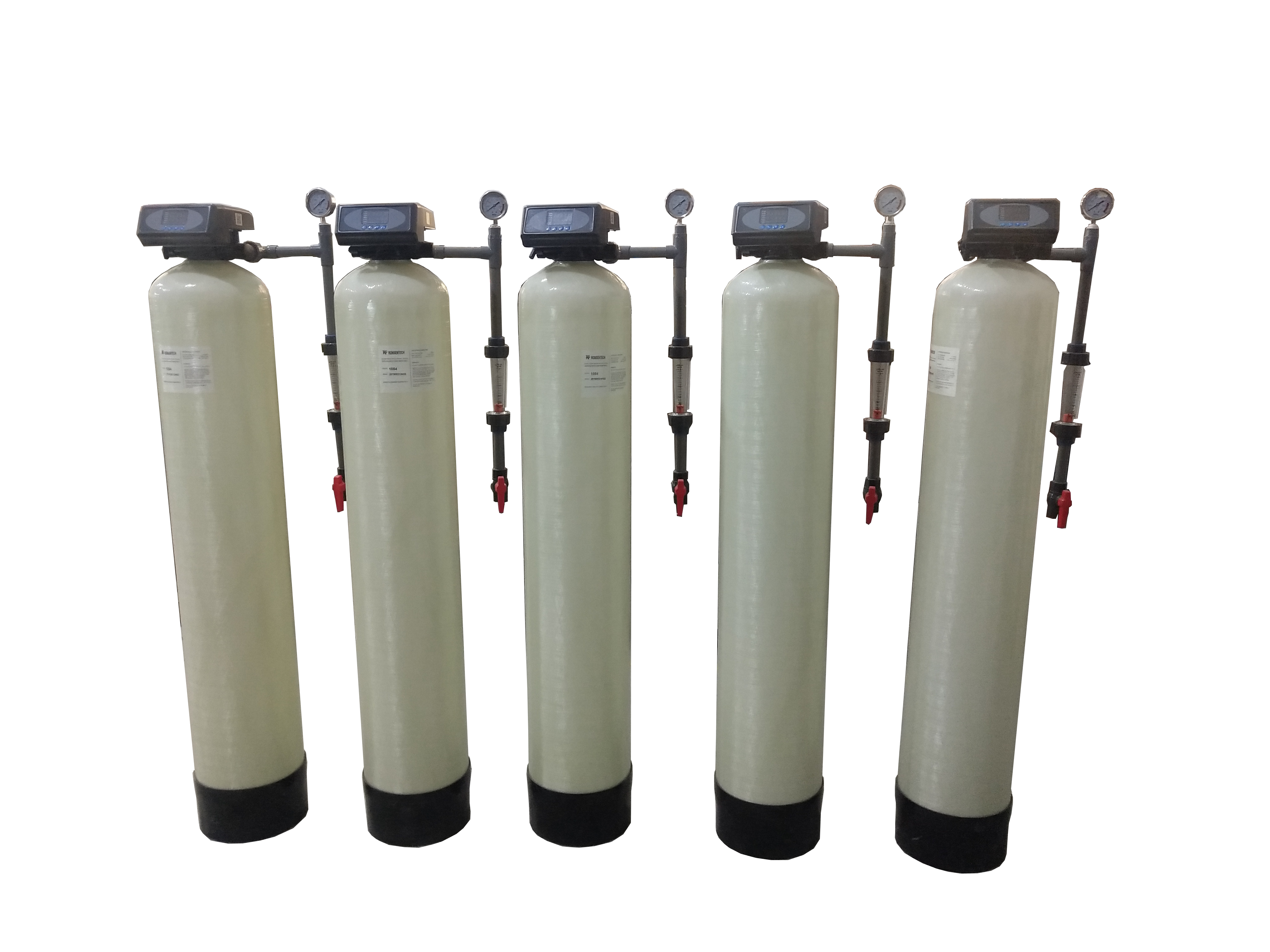
At the heart of every industrial water softener machine is ion exchange. Inside the resin tank, calcium and magnesium ions attach to specially designed resin beads. In exchange, sodium ions enter the water stream. This swap prevents hardness minerals from reaching boilers, heat exchangers, and processing lines. It keeps pipes clear and heat transfer surfaces clean. In manufacturing, stable water chemistry supports repeatable output. When hardness is controlled, energy use drops and systems run predictably. That reliability becomes critical in plants operating around the clock.
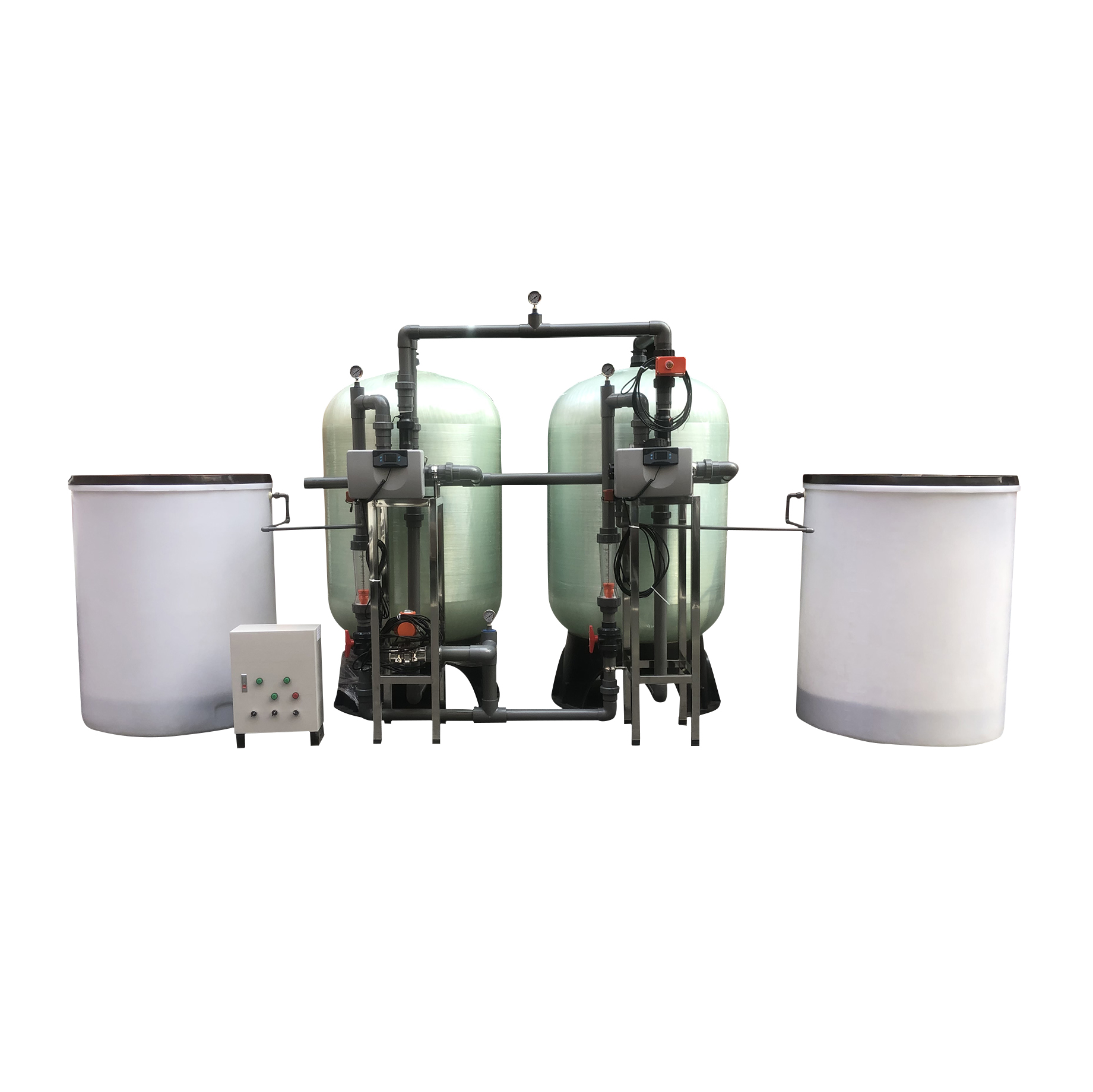
Manufacturing lines rarely pause. A modern water softener machine supports that pace through duplex or multiplex configurations. In a duplex setup, one tank softens water while the other regenerates. In larger facilities, multiple tanks alternate automatically. This design ensures continuous soft water supply without process interruption. It protects critical assets such as boilers and cooling towers. It also stabilizes production schedules. For facilities running three shifts, this uninterrupted operation helps maintain consistent throughput and protects revenue.
Industrial systems follow structured regeneration cycles. Service, backwash, brine injection, slow rinse, and fast flush occur in sequence. Each stage restores resin capacity and prepares it for the next softening cycle. In a properly calibrated water softener machine, regeneration aligns with actual water demand. This ensures hardness removal remains consistent. Stable regeneration supports compliance in regulated industries. It also prevents hardness leakage into process lines. Over time, this controlled cycle improves operational confidence.
Steam boilers rely on efficient heat transfer. Even thin scale layers act as insulation. They force burners to consume more fuel. They raise internal temperatures. A correctly sized water softener machine eliminates hardness before water enters the boiler. This keeps tube surfaces clean and reduces energy waste. Many industry reports suggest that minimal scale can raise energy use by over 10% (data needs verification). By preventing deposits, manufacturers protect both energy budgets and equipment integrity.
Heat exchangers depend on clean metal surfaces. Hard water leaves mineral buildup that reduces thermal conductivity. Over time, output declines and system pressure rises. Softened water maintains smooth surfaces. It improves heat exchange rates and supports consistent process temperatures. In chemical or food production, stable temperature control is critical. An industrial water softener machine helps preserve that stability, ensuring reliable heating performance and predictable process timing.
Boilers and thermal systems operate under high temperature and pressure. Water hardness directly influences scale formation, heat transfer efficiency, and mechanical stress. The following structured data summarizes how a properly engineered water softener machine contributes to longer equipment life, reduced energy loss, and stronger capital protection in industrial facilities.
| Application Area | Equipment Type | Technical Indicator | Typical Reference Value | Unit | Operational Impact | Engineering Considerations |
|---|---|---|---|---|---|---|
| Steam Boiler Feedwater | Low–Medium Pressure Boilers (≤2.5 MPa typical industrial range) | Raw Water Hardness | 100–500 | mg/L as CaCO₃ | High scaling risk if untreated | Test total hardness weekly |
| Steam Boiler Feedwater | Softened Water | Residual Hardness | ≤0.03 | mmol/L (≈ ≤3 mg/L CaCO₃) | Meets common industrial boiler feed standards | Verify with online hardness monitor |
| Boiler Heat Surfaces | Fire-tube / Water-tube Boilers | Scale Thickness | 1 | mm | May reduce heat transfer efficiency by ~10–15%* | Perform periodic internal inspection |
| Heat Exchanger Systems | Shell-and-Tube Exchanger | Heat Transfer Coefficient Loss | 10–20% | % reduction | Increased fuel or steam demand | Track ΔT trends monthly |
| Boiler Operation | Combustion Efficiency | Fuel Consumption Increase | 2–3% | per 0.5 mm scale | Higher annual operating cost | Conduct annual energy audit |
| Cooling Water Circuits | Process Piping | Design Flow Velocity | 1.5–3.0 | m/s | Scale increases pressure drop | Monitor differential pressure (kPa) |
| Cooling Tower Makeup | Industrial Cooling Systems | Total Dissolved Solids (TDS) | TDS largely unchanged after softening | mg/L | Softening removes hardness, not TDS | Integrate with RO if TDS control needed |
| Industrial Softener Resin | Sodium-form Strong Acid Cation Resin | Working Exchange Capacity | 20,000–30,000 | grains/ft⊃3; | Determines regeneration frequency | Optimize salt dose per cycle |
| Industrial Softener System | Regeneration Cycle | Sodium Chloride Consumption | 100–160 | g per L of resin | Direct impact on operating cost | Use flow-based regeneration control |
| Asset Management | Thermal Infrastructure | Design Service Life | 15–25 | years | Soft water helps achieve full design life | Integrate into preventive maintenance plan |
Tip:Establish a combined monitoring routine for hardness, pressure drop, and ΔT variation to detect early scaling trends before efficiency losses become measurable.
Water chemistry plays a measurable role in flavor perception and process stability. Total hardness, alkalinity, and mineral balance influence pH control, enzymatic reactions, and yeast activity during fermentation. For example, excessive calcium can alter mash conversion efficiency in brewing, while magnesium affects bitterness perception. A properly calibrated water softener machine helps stabilize hardness levels, typically maintaining feedwater below 3 mg/L as CaCO₃ for controlled applications. This consistency improves batch reproducibility, texture uniformity, and sensory stability across production cycles.
In CIP operations, water hardness directly affects surfactant efficiency and scale deposition on heat exchangers and spray nozzles. Calcium ions react with cleaning agents to form insoluble salts, reducing detergent performance and increasing rinse demand. Soft water improves chemical solubility and maintains spray pressure consistency. By reducing mineral film formation, a water softener machine enhances heat transfer in pasteurizers and reduces cleaning cycle duration. This supports validated sanitation protocols, optimizes chemical dosing accuracy, and improves operational efficiency.
Food safety systems such as HACCP and ISO-based frameworks require controlled process inputs, including water quality. Variations in hardness may affect product texture, microbial control efficiency, and equipment performance. Stable softened water supports consistent pH management and reduces scale-related contamination risks. Integrating a water softener machine into the documented water control plan strengthens traceability and audit readiness. It also improves data consistency for quality assurance teams, reinforcing compliance across regulated production environments.
In pharmaceutical facilities, feedwater often enters multi-stage purification trains that include reverse osmosis, electrodeionization, and ultrafiltration. Hardness above 1–2 mg/L as CaCO₃ can accelerate membrane scaling and reduce permeate flow. A properly sized water softener machine reduces calcium and magnesium before they reach sensitive membranes. This lowers transmembrane pressure rise, stabilizes recovery rates, and extends cleaning intervals. By maintaining consistent feedwater quality, softening improves system validation performance and supports long-term operational stability in high-purity water production.
Pharmaceutical formulations require precise control of conductivity, ionic balance, and pH. Variations in hardness can influence buffering capacity and affect reaction kinetics in solution-based products. Softened water minimizes uncontrolled divalent ions, reducing variability during compounding and dilution steps. When integrated upstream, an industrial water softener machine supports predictable conductivity ranges and consistent mixing behavior. This stability strengthens process validation, reduces batch deviation risk, and helps maintain compliance within Good Manufacturing Practice (GMP) environments.
Clean steam systems rely on purified feedwater to ensure uniform heat transfer and effective sterilization. Hardness minerals can deposit on heat exchange surfaces, creating localized overheating and uneven steam quality. By removing scale-forming ions, a water softener machine supports consistent steam generation and stable condensate purity. This improves autoclave performance and maintains sterilization cycle reproducibility. Reliable feedwater conditioning reinforces contamination control strategies and supports sustained sterility assurance in regulated pharmaceutical operations.
In chemical plants, even small variations in water hardness can affect reaction kinetics, heat transfer, scaling tendency, and dosing precision. The following technical breakdown links hardness control via a water softener machine to measurable process indicators commonly monitored in chemical manufacturing environments.
| Application Area | Process Type | Key Technical Indicator | Typical Reference Value | Unit | Process Impact | Operational Considerations |
|---|---|---|---|---|---|---|
| Reactor Feedwater | Aqueous reaction systems | Total Hardness (feed) | 50–300 | mg/L as CaCO₃ | Scale formation risk in jackets and coils | Test hardness daily in batch systems |
| Reactor Feedwater | Softened water supply | Residual Hardness | ≤3 | mg/L as CaCO₃ | Minimizes CaCO₃ precipitation | Calibrate hardness analyzer monthly |
| Heat Transfer Jackets | Stirred tank reactors | Thermal conductivity loss due to scale | 10–20% reduction at ~1 mm scale | % | Slower heat-up and cooling cycles | Monitor temperature ramp rates |
| Mixing Vessels | Chemical blending tanks | Scale deposition threshold (CaCO₃ saturation) | LSI > 0 indicates scaling tendency | LSI index | Surface fouling and agitation inefficiency | Track pH and alkalinity trends |
| Dosing Systems | Acid/alkali metering | Divalent ion interference in neutralization | Ca⊃2;⁺, Mg⊃2;⁺ react with CO₃⊃2;⁻/OH⁻ | mol/L basis | Alters titration accuracy | Use softened water for dilution |
| Membrane Processes | UF / RO in chemical reuse | Hardness scaling limit | CaCO₃ saturation index critical near 100% | % saturation | Flux decline and pressure increase | Integrate softener upstream of RO |
| Cooling Loops | Process cooling circuits | Design flow velocity | 1.5–2.5 | m/s | Scale increases friction losses | Monitor ΔP (kPa) across loop |
| Industrial Softener Resin | Sodium-form SAC resin | Working exchange capacity | 20,000–30,000 | grains/ft⊃3; | Determines regeneration frequency | Optimize salt dose 100–160 g/L resin |
| Process Water Stability | Reaction pH control | Alkalinity influence on buffering | 50–150 | mg/L as CaCO₃ | Affects reaction equilibrium | Monitor total alkalinity weekly |
| CIP in Chemical Plants | Cleaning cycles | Detergent efficiency loss in hard water | Up to 30% reduced surfactant activity | % | Increased chemical consumption | Use softened water for CIP |
Tip:Combine hardness monitoring with Langelier Saturation Index tracking to anticipate scaling conditions before reactor efficiency declines.
Dyeing performance depends on controlled water hardness, pH, and ionic strength. Calcium and magnesium ions can react with anionic dyes, forming insoluble complexes that reduce color yield and fixation efficiency. In reactive dye processes, excess hardness may shift bath pH and influence dye-fiber bonding kinetics. Maintaining hardness below 3–5 mg/L as CaCO₃ helps stabilize dye dispersion and improves reproducibility across lots. A properly specified water softener machine supports uniform shade development, reduces spotting risk, and enhances hand feel by minimizing mineral residue on finished fabrics.
In metal pretreatment and coating lines, rinse water quality directly affects adhesion and corrosion resistance. Hardness ions can precipitate during alkaline cleaning, leaving calcium films that interfere with phosphate conversion coatings. Residual mineral spots increase surface roughness and reduce paint bonding strength. Softened rinse water improves surfactant performance and supports consistent surface tension during drying. By maintaining low residual hardness, a water softener machine helps ensure stable coating thickness, improved salt spray resistance, and reduced rework in precision manufacturing environments.
Proper sizing begins with verified feedwater hardness, expressed in mg/L as CaCO₃, and average as well as peak flow rates in m³/h. Exchange capacity is typically rated at 20,000–30,000 grains per ft⊃3; of resin, and regeneration frequency should be calculated based on daily hardness load, not only nominal flow. Designing for linear flow rates within recommended bed velocities prevents channeling and pressure loss. A correctly specified water softener machine balances resin volume, salt dose, and cycle timing to ensure continuous supply while minimizing excess regeneration water and salt consumption.
In advanced facilities, softening operates upstream of boilers, cooling towers, and reverse osmosis units to protect heat transfer surfaces and membranes. Coordinated control through PLC or SCADA systems allows real-time tracking of hardness, differential pressure, and regeneration cycles. Maintaining low hardness reduces scaling potential in evaporative systems and stabilizes feedwater for membrane recovery rates. When integrated properly, the water softener machine supports optimized blowdown control, reduced chemical dosing, and improved overall water balance across the plant’s treatment network.
Industrial water softening performance depends on disciplined maintenance, measurable indicators, and data tracking. The following technical framework connects routine service tasks with operating parameters and long-term optimization targets for a high-capacity water softener machine in continuous manufacturing environments.
| Maintenance Category | Component / Application | Technical Indicator | Typical Reference Range | Unit | Operational Purpose | Engineering Notes |
|---|---|---|---|---|---|---|
| Water Quality Control | Softened Effluent | Residual Hardness | ≤3 | mg/L as CaCO₃ | Ensures full hardness removal | Test daily or install online analyzer |
| Resin Performance | Strong Acid Cation Resin | Working Exchange Capacity | 20,000–30,000 | grains/ft⊃3; | Determines regeneration interval | Confirm via capacity testing annually |
| Regeneration Control | Brine Concentration | Sodium Chloride Strength | 8–12 | % NaCl solution | Restores resin to sodium form | Verify brine tank salinity monthly |
| Salt Efficiency | Regeneration Cycle | Salt Dose | 100–160 | g per L resin | Balances cost and capacity | Optimize using flow-based regeneration |
| Hydraulic Performance | Service Flow Rate | Linear Flow Velocity | 10–40 | m/h (bed depth basis) | Prevents channeling or pressure drop | Compare against design specs |
| Pressure Monitoring | Inlet vs Outlet | Differential Pressure | <50 | kPa (typical clean bed) | Detects fouling or blockage | Trend weekly for early warning |
| Valve Integrity | Control Valve Assembly | Actuation Response Time | Within manufacturer spec | seconds | Ensures proper cycle sequencing | Inspect seals quarterly |
| Water Usage Analytics | Facility Integration | Daily Softened Volume | Site-dependent | m³/day | Tracks consumption trends | Integrate with plant SCADA |
| Sustainability Metrics | Salt & Water Efficiency | Regeneration Water Use | 3–6 | % of treated volume | Controls wastewater discharge | Adjust cycle timing seasonally |
| Resin Condition | Media Health | Iron Fouling Threshold | >0.3 | mg/L Fe in feedwater | Risk of resin degradation | Pre-filter if iron present |
Tip:Combine hardness testing, pressure differential tracking, and salt consumption metrics in a monthly performance review to maintain optimal regeneration efficiency and extend resin lifespan.
Industrial water softeners protect modern manufacturing systems. By removing hardness early, a reliable water softener machine improves energy use and equipment life. It supports stable production in boilers, food processing, and pharmaceutical plants. Guangzhou Kai Yuan Water Treatment Equipment Co., Ltd. provides advanced systems with durable resin tanks and efficient control valves. Their solutions deliver consistent performance and long-term value for industrial operations.
A: A water softener machine removes calcium and magnesium to prevent scale in boilers and process systems.
A: A water softener machine protects heat exchangers, improves energy efficiency, and stabilizes product quality.
A: A water softener machine uses ion exchange resin to replace hardness ions with sodium.
A: A water softener machine supports boilers, cooling towers, RO systems, and CIP lines.
A: Yes, a water softener machine lowers scaling, reduces cleaning cycles, and extends equipment life.


