


Views: 0 Author: Site Editor Publish Time: 2026-01-05 Origin: Site


Clean water is a critical component in a wide range of industrial operations, from manufacturing and chemical processing to food production and pharmaceuticals. High-quality water ensures the smooth functioning of equipment, maintains product consistency, and supports compliance with industry standards. Without proper filtration, contaminants in water—such as sediments, chemicals, or microorganisms—can disrupt processes, reduce efficiency, and compromise final product quality.
Using untreated water in industrial applications can lead to multiple challenges:
Equipment Damage: Sediments, scale, and metallic particles can accumulate in pipes, pumps, and machinery, increasing wear and maintenance costs.
Product Quality Issues: Contaminated water may affect taste, color, or chemical composition, particularly in food, beverage, or pharmaceutical manufacturing.
Regulatory Non-Compliance: Many industries must adhere to strict water quality regulations; untreated water can result in fines, production delays, or product recalls.
Quartz sand filter are the first line of defense in industrial water treatment systems. Their primary role is to capture and remove large and small particulate matter, such as sand, silt, rust, and other suspended solids. By effectively eliminating these particles, quartz sand filter help maintain water clarity and prevent damage to downstream equipment.
Industrial quartz sand filter can use a variety of media, each suited to specific applications:
Polypropylene: Durable and resistant to chemicals, commonly used for cartridge and multi-layered filters.
Mesh Screens: Ideal for high-flow applications; they trap larger particles while allowing water to pass efficiently.
Multi-Layered Filters: Combine different media layers to capture a broader range of particle sizes, improving filtration efficiency and longevity.
Quartz sand filter are versatile and widely used across industries:
Manufacturing Pre-Treatment: Ensures clean water enters boilers, cooling systems, and production lines, preventing scale buildup and mechanical wear.
Wastewater Treatment: Removes debris before secondary or tertiary treatment, improving overall system efficiency.
Irrigation Systems: Protects pumps, sprinklers, and drip lines from clogging, ensuring consistent water delivery.
Investing in quartz sand filter offers several advantages for industrial operations:
Equipment Protection: Reduces wear on pumps, valves, and other machinery.
Clog Prevention: Minimizes downtime and maintenance by preventing blockages.
Cost Efficiency: Extends the lifespan of downstream filtration systems and reduces repair costs.
Process Reliability: Ensures stable water flow and consistent quality for sensitive industrial processes.
Activated carbon filters are essential in industrial water treatment for eliminating dissolved chemicals and improving water quality. These filters target chlorine, volatile organic compounds (VOCs), unpleasant odors, and other chemical contaminants that can affect taste, safety, and process integrity.
Activated carbon works through a process called adsorption, where contaminants are trapped on the porous surface of carbon particles. Its high surface area allows it to effectively bind a wide range of chemical molecules, including chlorine, phenols, and residual disinfectants. This ensures that water not only becomes safer for use but also meets specific industry standards.
Activated carbon filters are widely applied in industries where water purity is critical:
Food & Beverage Production: Removes residual chlorine and chemical taste to protect product quality and flavor consistency.
Chemical Processing: Reduces harmful organic compounds, ensuring that reactions proceed efficiently without unwanted interference.
Wastewater Polishing: Enhances treated water quality before discharge or reuse, ensuring compliance with environmental regulations.
Using activated carbon filters provides multiple advantages for industrial operations:
Improved Water Taste and Odor: Essential for food, beverage, and pharmaceutical applications.
Protection of Sensitive Processes: Prevents chemical residues from interfering with industrial operations or causing corrosion.
Reduction of Harmful Residues: Ensures water safety and compliance with environmental and quality standards.
Extended Equipment Life: Protects downstream equipment by removing chemicals that can degrade machinery or membranes in subsequent filtration steps.
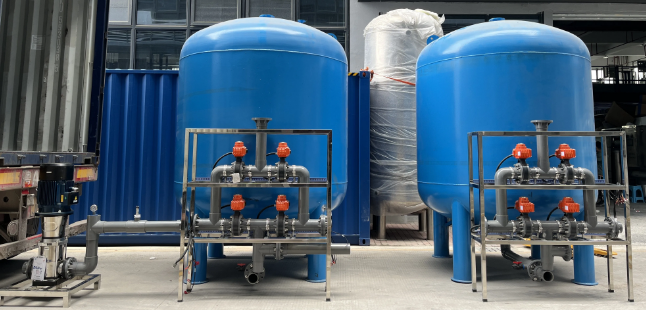
Reverse Osmosis (RO) and ion-exchange filters are essential for removing dissolved salts, heavy metals, nitrates, sodium, and other chemical impurities from industrial water. RO systems use a semipermeable membrane to separate contaminants from water, while ion-exchange filters replace unwanted ions with benign ones, providing ultra-pure water.
Industries requiring high-quality water rely on RO and ion-exchange filtration:
Cooling Towers: Prevent scaling, corrosion, and equipment damage caused by mineral buildup.
Laboratories and Pharmaceutical Facilities: Ensure water meets stringent purity standards for experiments and drug production.
Chemical Processing Plants: Maintain process efficiency by providing contaminant-free water for reactions and cleaning.
Electronics and Semiconductor Manufacturing: Protect sensitive equipment from ionic impurities that can damage circuits or reduce product quality.
Ultra-Clean Water: Delivers water with very low dissolved solids, suitable for critical industrial applications.
Prevents Scaling and Corrosion: Reduces buildup in pipes, boilers, and cooling systems, extending equipment lifespan.
Customizable Solutions: RO and ion-exchange systems can be tailored for specific impurity removal requirements.
Energy and Cost Efficiency: Advanced designs minimize energy use while providing high-quality water consistently.
RO and ion-exchange systems are often used after sediment, activated carbon, and multi-media filters to remove remaining fine particles and chemicals. This multi-stage approach ensures comprehensive water purification, making it ideal for industrial processes that demand both chemical and microbial safety.
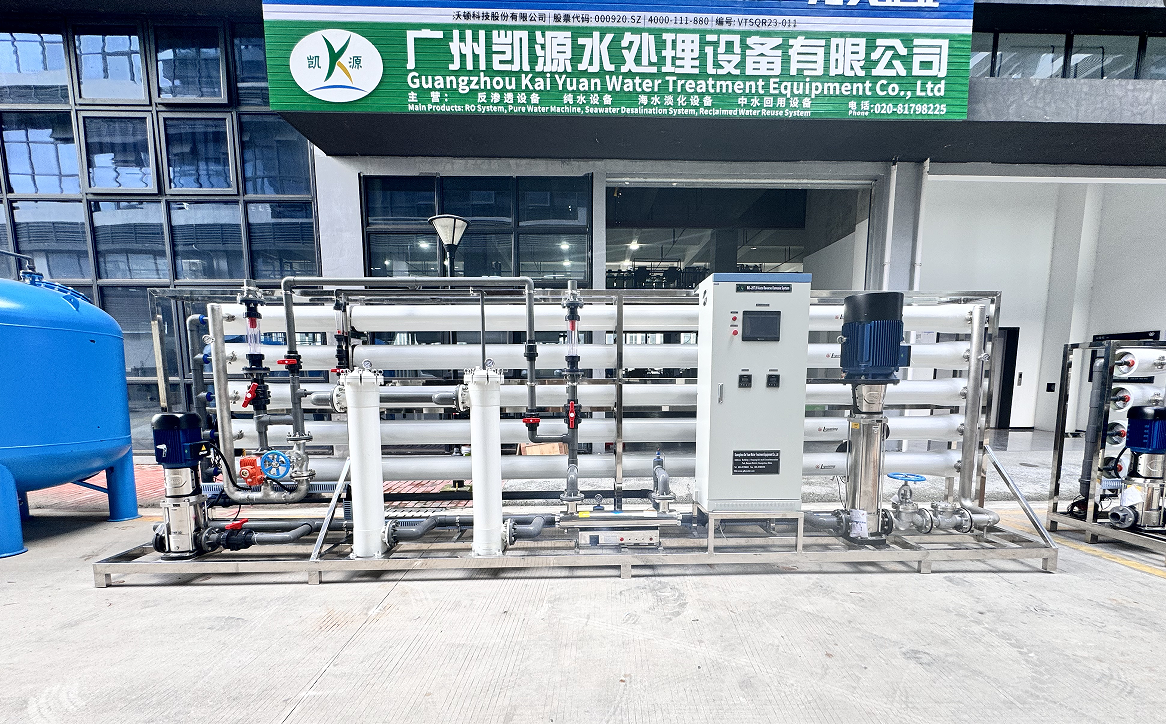
UV and microbial filters are specifically designed to kill or inactivate harmful bacteria, viruses, and other microorganisms in industrial water. Unlike traditional filters that primarily remove particles, these systems use ultraviolet light or specialized microbial filtration media to disinfect water without adding chemicals.
Industries that require high-purity and hygienic water rely heavily on UV and microbial filtration:
Pharmaceutical Production: Ensures sterile water for drug formulation, cleaning, and lab processes.
Electronics and Semiconductor Manufacturing: Protects sensitive components by providing ultra-clean water for rinsing and cooling.
Food & Beverage Industry: Safeguards water used in production and cleaning to prevent microbial contamination.
Medical and Laboratory Facilities: Delivers safe water for experiments, testing, and equipment sterilization.
Enhanced Water Safety: Eliminates bacteria, viruses, and other microorganisms, ensuring water meets strict hygiene standards.
Chemical-Free Disinfection: Provides microbial control without adding chlorine or other chemicals, preserving water taste and quality.
Reduced Contamination Risks: Prevents biofilm formation in pipelines and equipment, extending the lifespan of industrial systems.
Compliance with Regulations: Helps industries meet strict health, safety, and environmental standards.
UV and microbial filters are often combined with sediment, activated carbon, or multi-media filters to provide comprehensive water treatment. This ensures water is not only free of particles and chemicals but also safe from microbial contamination, delivering high-quality, industrial-grade water consistently.
Selecting the right industrial water filter is crucial for maintaining equipment efficiency, product quality, and regulatory compliance. From quartz sand filter that remove sand and silt, to activated carbon filters for chemical and odor removal, multi-media and stacked filters for large-volume sediment and metallic ion removal, UV and microbial filters for hygienic safety, and RO or ion-exchange systems for ultra-pure water, each filter type serves a specific purpose in industrial water treatment.
By understanding the unique advantages and applications of each filter, industries can optimize water quality, reduce operational costs, and extend the lifespan of their equipment. For companies seeking professional guidance and tailored filtration solutions, consulting with Guangzhou Kai Yuan Water Treatment Equipment Co., Ltd. ensures access to high-quality industrial water filters, customized designs, and expert support to meet specific process requirements efficiently and reliably.


