


Views: 0 Author: Site Editor Publish Time: 2025-04-14 Origin: Site


Clean water is one of the most essential resources for life, yet millions around the world still lack access to safe, drinkable water. Whether for personal consumption, industrial processes, or agricultural use, water purification has become a critical global concern. Climate change, pollution, and overpopulation have only intensified the demand for reliable and efficient water treatment technologies.
One such technology that has revolutionized the way we purify water is the reverse osmosis plant. It’s a modern water purification system that uses advanced membrane technology to remove contaminants and deliver clean, safe water. Reverse osmosis plants are now used in households, commercial facilities, and large-scale industries around the world.
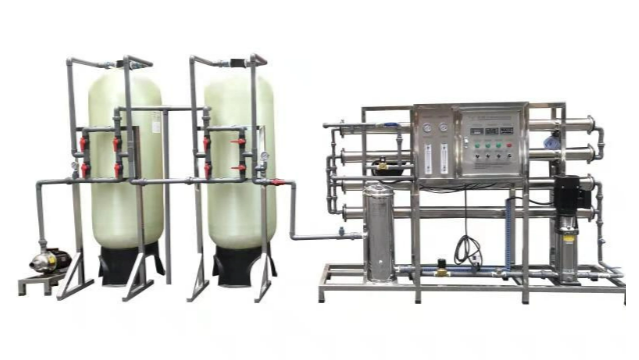
A reverse osmosis plant is a water filtration system that removes impurities from water by forcing it through a semi-permeable membrane. The process effectively separates unwanted contaminants—such as salts, minerals, heavy metals, bacteria, and other pollutants—from clean water.
At its core, reverse osmosis (RO) relies on a high-pressure pump to push water across the membrane. The membrane only allows pure water molecules to pass through, leaving the contaminants behind. The result is clean, potable water that meets health and safety standards for drinking and industrial use.
Reverse osmosis plants are used for a wide range of applications, including:
Desalinating seawater for coastal and island communities.
Purifying brackish water in arid regions.
Filtering municipal tap water to improve taste and safety.
Treating wastewater for reuse in irrigation or industry.
Though reverse osmosis systems can vary in size and complexity, most RO plants are made up of several essential components that work together to ensure high-quality water output:
Before water reaches the membrane, it must go through a pre-treatment phase. This stage removes large particles, sediments, chlorine, and other substances that could damage the RO membrane. Pre-treatment often includes:
Sediment filters
Activated carbon filters
Antiscalant dosing systems (to prevent scale buildup)
This is the heart of the RO plant. The pump creates enough pressure to push the water through the semi-permeable membrane. Depending on the source water (seawater, brackish, or tap), the pump pressure can range from 200 to 1,000 psi (pounds per square inch).
The semi-permeable membrane is the critical component that separates pure water from contaminants. It allows water molecules to pass through while blocking salts, bacteria, viruses, and other impurities.
Once water has passed through the membrane, it may go through post-treatment to balance pH, re-mineralize the water, or disinfect it using UV or chemical dosing.
Modern RO systems are equipped with smart control panels that monitor flow rates, pressure, water quality (TDS levels), and filter performance. This helps optimize performance and alerts operators to potential issues.
Traditional water filtration methods—such as sand filtration, carbon filters, and ceramic filters—mainly rely on physical barriers or chemical processes to remove impurities. While these methods can remove larger particles and improve taste, they are not effective at removing dissolved salts or microscopic contaminants.
Here’s how reverse osmosis differs from traditional systems:
Feature | Traditional Filtration | Reverse Osmosis |
Removes Sediment & Particles | ✅ | ✅ |
Removes Chlorine & Odors | ✅ | ✅ |
Removes Salts & Minerals | ❌ | ✅ |
Removes Bacteria & Viruses | ❌/Limited | ✅ |
Requires High Pressure | ❌ | ✅ |
Water Purity Level | Moderate | High (up to 99% contaminant removal) |
RO is a much more thorough filtration method, making it ideal for applications that require high-purity water, such as pharmaceuticals, electronics manufacturing, and bottled water production.
The secret to the success of a reverse osmosis plant lies in the semi-permeable membrane. This specially engineered layer has microscopic pores—usually around 0.0001 microns in size—that are small enough to block even the tiniest contaminants.
Here’s a breakdown of what reverse osmosis can remove:
Salts and dissolved minerals
Heavy metals (lead, arsenic, mercury)
Microorganisms (bacteria, viruses, protozoa)
Organic chemicals (pesticides, herbicides)
Sediments and turbidity
In addition to its incredible filtration capabilities, reverse osmosis offers the following benefits:
Low energy consumption (especially with energy recovery systems)
Consistent water quality
Scalability from home use to large municipal systems
Minimal chemical use compared to conventional treatments
At Guangzhou Kai Yuan Water Treatment Equipment Co., Ltd., also known as KYWATER, we specialize in providing customized reverse osmosis systems for a wide range of clients. With decades of experience in water treatment, we understand that each application requires a tailored approach.
Custom-Engineered Solutions: We design RO systems to fit your exact water quality and output needs.
High Recovery Rates: Our systems are optimized to maximize clean water yield while minimizing waste.
Energy-Efficient Designs: KYWATER integrates energy-saving technologies and modern automation.
Flexible Formats: We offer everything from residential and commercial RO units to industrial and containerized solutions.
Global Service Reach: Our reverse osmosis plants are trusted in over 60 countries, serving industries, governments, and communities.
Whether you need a compact system for your business or a full-scale RO plant for municipal or seawater desalination, KYWATER delivers reliable performance backed by industry expertise.
In an age where water scarcity and pollution are becoming urgent global challenges, reverse osmosis plants offer a proven, scalable, and efficient solution. They are capable of turning even the most contaminated water sources into clean, safe water for drinking, production, and reuse.
By understanding what a reverse osmosis plant is and how it works, you can make informed decisions about your water treatment needs. Whether for your home, hotel, factory, or city, investing in an RO system is a step toward sustainable water management.
At KYWATER, we’re proud to lead the way in reverse osmosis innovation. Our systems combine the best of technology, engineering, and environmental responsibility to deliver clean water where it’s needed most.
Ready to upgrade your water purification system?
Visit www.gzkywater.com to explore our range of reverse osmosis solutions or contact our team for a customized consultation. Let us help you transform water challenges into reliable solutions.


