


Views: 0 Author: Site Editor Publish Time: 2026-01-08 Origin: Site


Reverse osmosis (RO) is one of the most efficient water purification technologies used in various industries, including desalination, municipal water treatment, and industrial processes. The primary goal of an RO system is to produce clean, safe water by removing dissolved solids, contaminants, and other impurities from the feedwater. However, the efficiency of an RO system isn't solely determined by the quality of the water produced. The recovery rate, which refers to the proportion of purified water generated compared to the amount of water fed into the system, is a critical metric in evaluating plant performance. Achieving an optimal recovery rate is essential for improving water efficiency, reducing operational costs, and extending the lifespan of the system's components.
The recovery rate in reverse osmosis systems is the ratio of permeate (the treated, purified water) to feedwater (the untreated or raw water) used in the process. It is usually expressed as a percentage. For example, if an RO system produces 80 liters of purified water from 100 liters of feedwater, the recovery rate would be 80%.
Recovery rate plays a significant role in determining the system's overall performance. A higher recovery rate means that more purified water is being produced from the same amount of feedwater, improving the plant's water efficiency. However, the recovery rate must be balanced with other factors like membrane health, energy consumption, and operational costs.
The ideal recovery rate for an RO system varies depending on the source of the feedwater and the intended application. Here are some typical recovery rate ranges:
Seawater Desalination: Recovery rates for seawater desalination typically range from 35% to 50%. Seawater has a high salinity, so the system needs to operate at a lower recovery rate to prevent membrane fouling and ensure efficient filtration.
Brackish Water: For brackish water treatment, recovery rates are typically higher, ranging from 60% to 80%. The lower salinity compared to seawater allows for better performance and higher water recovery.
Industrial Process Water: Recovery rates for industrial applications such as cooling tower makeup water or boiler feedwater are often between 70% and 85%. These systems tend to be optimized for higher recovery because of the need for large volumes of water in industrial processes.
Food and Beverage: In the food and beverage industry, recovery rates can range from 50% to 75%. These systems require efficient purification while maintaining the quality of the water for food production.
One of the most significant advantages of high recovery rates is the increase in water efficiency. By producing more purified water from the same amount of feedwater, an RO system can meet higher demand without requiring additional input. For instance, if a system's recovery rate increases from 70% to 80%, it can produce 10% more product water using the same amount of feedwater. This not only optimizes the use of available water but also reduces the need for additional water sources, which is particularly beneficial in water-scarce regions.
Another benefit of high recovery rates is the reduction in wastewater volumes. When water passes through a reverse osmosis system, the impurities and contaminants are concentrated in the reject stream (often referred to as brine). A higher recovery rate means that less brine is generated, which reduces the environmental impact of wastewater disposal. Lower wastewater volumes also reduce the costs associated with wastewater treatment and disposal, contributing to overall operational savings.
A higher recovery rate can help reduce long-term operating costs by minimizing the need for fresh water and lowering concentrate disposal expenses. Producing more water from the same input means less reliance on external water sources and more efficient use of energy. Furthermore, less brine means reduced treatment costs and less environmental impact, resulting in overall cost savings for the plant.
While high recovery rates offer several advantages, pushing the recovery rate beyond optimal levels can lead to several issues that compromise the efficiency and longevity of the reverse osmosis plant.
Fouling and scaling are among the most significant risks when recovery rates are pushed too high. As the recovery rate increases, the concentration of impurities in the brine stream also increases. These concentrated impurities, such as minerals, salts, and organic matter, are more likely to accumulate on the membrane surface, leading to fouling. This reduces the system's efficiency and requires more frequent cleaning, which can interrupt production and increase maintenance costs.
Similarly, scaling occurs when dissolved salts, particularly calcium and magnesium, precipitate out of the water and form solid deposits on the membrane. Scaling reduces the membrane's permeability, causing the system to consume more energy and reducing its overall lifespan.
Fouling and scaling significantly impact the lifespan of the membranes used in reverse osmosis systems. Membranes that experience excessive fouling or scaling will require more frequent cleaning and eventual replacement. The wear and tear on the membranes due to high recovery rates can lead to increased maintenance costs and operational downtime, which can affect the overall profitability of the plant.
As the recovery rate increases, the frequency of membrane cleaning and replacement also rises. The need for aggressive cleaning methods to remove fouling or scaling can further degrade the membrane, requiring costly replacements. This leads to higher maintenance expenses and potential downtime for the system.
High recovery rates can also lead to unplanned production interruptions due to severe fouling or scaling. If the fouling becomes too severe, the system may need to be shut down for cleaning or even repair, leading to production delays. These interruptions can affect the plant's overall efficiency and output, reducing the profitability of the operation.
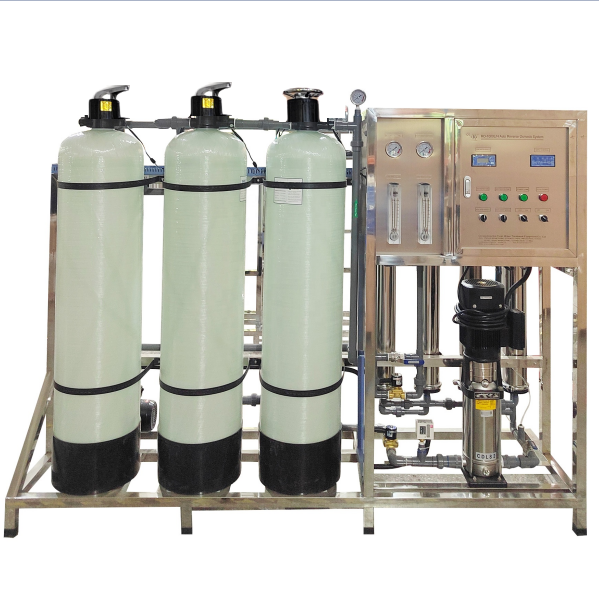
The key to optimizing the recovery rate lies in balancing water production with the health of the membranes. By finding the right recovery rate for the specific application and feedwater quality, plants can maximize their water production while maintaining membrane longevity. Proper system design, maintenance, and monitoring can help achieve this balance and prevent overloading the system.
To achieve high recovery rates without compromising system performance, the following best practices can be implemented:
Proper Feedwater Analysis: Conducting a thorough analysis of the feedwater quality (including Total Dissolved Solids (TDS), hardness, iron, silica, etc.) is crucial for determining the optimal recovery rate. Feedwater analysis helps in selecting appropriate pre-treatment methods and adjusting recovery rates to ensure efficient operation.
Effective Pre-Treatment: Pre-treatment processes such as filtration, softening, and dechlorination can help reduce the risk of fouling and scaling in the RO system. Removing contaminants from the feedwater before it enters the membrane helps extend membrane life and ensures the system runs smoothly.
Monitoring Differential Pressure: Monitoring the differential pressure across the membrane is an effective way to detect fouling early. An increase in pressure indicates that the membrane is becoming clogged, allowing for timely intervention before fouling becomes a significant issue.
Adjusting Concentrate Valves: Adjusting the concentrate valves based on fouling conditions helps prevent the buildup of concentrated impurities on the membrane surface. By controlling the flow of the concentrate stream, the system can reduce the risk of fouling and scaling.
To maintain high recovery rates, regular membrane cleaning and timely replacements are essential. Proper cleaning protocols, such as the use of appropriate chemicals and cleaning techniques, help restore membrane performance. Additionally, monitoring the condition of the membranes and replacing them when necessary ensures that the system continues to operate efficiently.
The recovery rate plays a crucial role in optimizing the performance of reverse osmosis plants. By adjusting the recovery rate, operators can improve water efficiency, minimize wastewater volumes, and reduce operational costs. However, increasing recovery rates too much can cause challenges like fouling, scaling, and higher maintenance costs, all of which can shorten the lifespan of membranes and lead to unplanned downtime. Striking the right balance between high recovery rates and membrane health is key to sustainable, long-term RO plant operation. Regular maintenance, best practices, and continuous monitoring are essential for achieving the optimal recovery rate and ensuring cost-effective, efficient water treatment.
For those seeking to enhance the performance of their reverse osmosis systems, Guangzhou Kai Yuan Water Treatment Equipment Co., Ltd. (KYWATER) offers cutting-edge solutions and expert support. Their advanced RO technologies help optimize recovery rates while maintaining the integrity of plant components, ensuring both efficiency and longevity. Contact KYWATER to explore how their reliable systems can address your specific water treatment needs and improve overall operational performance.


