


Views: 0 Author: Site Editor Publish Time: 2026-01-15 Origin: Site


Reverse osmosis (RO) systems have become an essential part of water purification in both residential and industrial settings. These systems are designed to remove contaminants, impurities, and dissolved solids from water by pushing it through a semipermeable membrane. As water quality becomes an increasing concern globally, the role of reverse osmosis plants in ensuring clean, safe drinking water is undeniable. However, like any technology, the efficiency and longevity of an RO system depend on a variety of factors. Understanding what influences the lifespan of an RO plant can help ensure it operates at its best for years, providing clean water while reducing the need for costly repairs or replacements.
The materials used in constructing a reverse osmosis plant significantly impact its life expectancy. RO systems consist of several key components, such as the membranes, pre-filters, pressure vessels, and pumps. Using high-quality materials in these components can help prevent early wear and tear, ensuring that the system performs optimally over a longer period.
RO Membrane: The membrane is the heart of any reverse osmosis system. Made from semi-permeable materials like cellulose acetate or polyamide, it is responsible for filtering out contaminants. The better the membrane quality, the longer it will last before needing replacement.
Pre-Filters: Sediment and carbon filters are essential for preventing large particles and chlorine from damaging the RO membrane. High-quality pre-filters reduce the strain on the membrane, allowing it to work efficiently for longer.
Pressure Vessels and Pumps: These components maintain the necessary pressure to push water through the membrane. Durable, corrosion-resistant materials in these parts ensure that the system operates smoothly over its lifespan.
Regular maintenance is one of the most crucial factors influencing the life expectancy of a reverse osmosis plant. When properly maintained, an RO system can easily last up to 15 years, but neglecting regular care can shorten its lifespan significantly.
Filter Replacements: The pre-filters and post-filters in an RO system must be replaced regularly. Sediment and carbon filters tend to accumulate debris over time, reducing their effectiveness. Membranes, too, require replacement after a certain period, typically every 2 to 3 years, depending on usage.
Cleaning: Regular cleaning of the RO membrane is essential for maintaining system performance. Over time, the membrane can accumulate fouling agents such as minerals, algae, or bacteria, which reduce its effectiveness. Regular cleaning protocols can help to extend the membrane's lifespan.
Annual Inspections: Even if everything seems to be working fine, annual system checks by a professional are recommended to identify potential issues before they escalate into expensive repairs.
The quality of the source water significantly affects the longevity of a reverse osmosis plant. RO systems are designed to filter out dissolved solids, but high levels of contaminants in the water can reduce system efficiency and damage the components over time.
Hard Water: High concentrations of minerals like calcium and magnesium, commonly found in hard water, can lead to scale buildup on the membrane. Over time, this reduces the system's performance and can shorten the membrane's lifespan.
Chlorine and Chemicals: Chlorine is often used in municipal water supplies as a disinfectant, but it can damage the delicate RO membrane. Using a pre-filter specifically designed to remove chlorine is essential in areas where the water is heavily chlorinated.
Contaminants: Water that contains high levels of impurities, such as heavy metals or organic compounds, can put extra stress on the RO system. The more contaminants present, the more frequent the maintenance and part replacements will be.
The frequency and intensity with which an RO system is used also impact its lifespan. A system that runs continuously or processes large volumes of water will experience more wear and tear compared to one used intermittently for smaller amounts of water.
Residential vs. Commercial Use: Residential systems, typically used to purify water for drinking and cooking, will have a longer lifespan compared to commercial systems that process large volumes of water daily. The higher the usage, the greater the strain on the components, especially the membrane.
Water Demand: Systems that are designed for heavy-duty use, such as in industrial plants, may require more frequent maintenance and component replacement. Understanding the system's capacity and using it within its designed limits can help prolong its life.
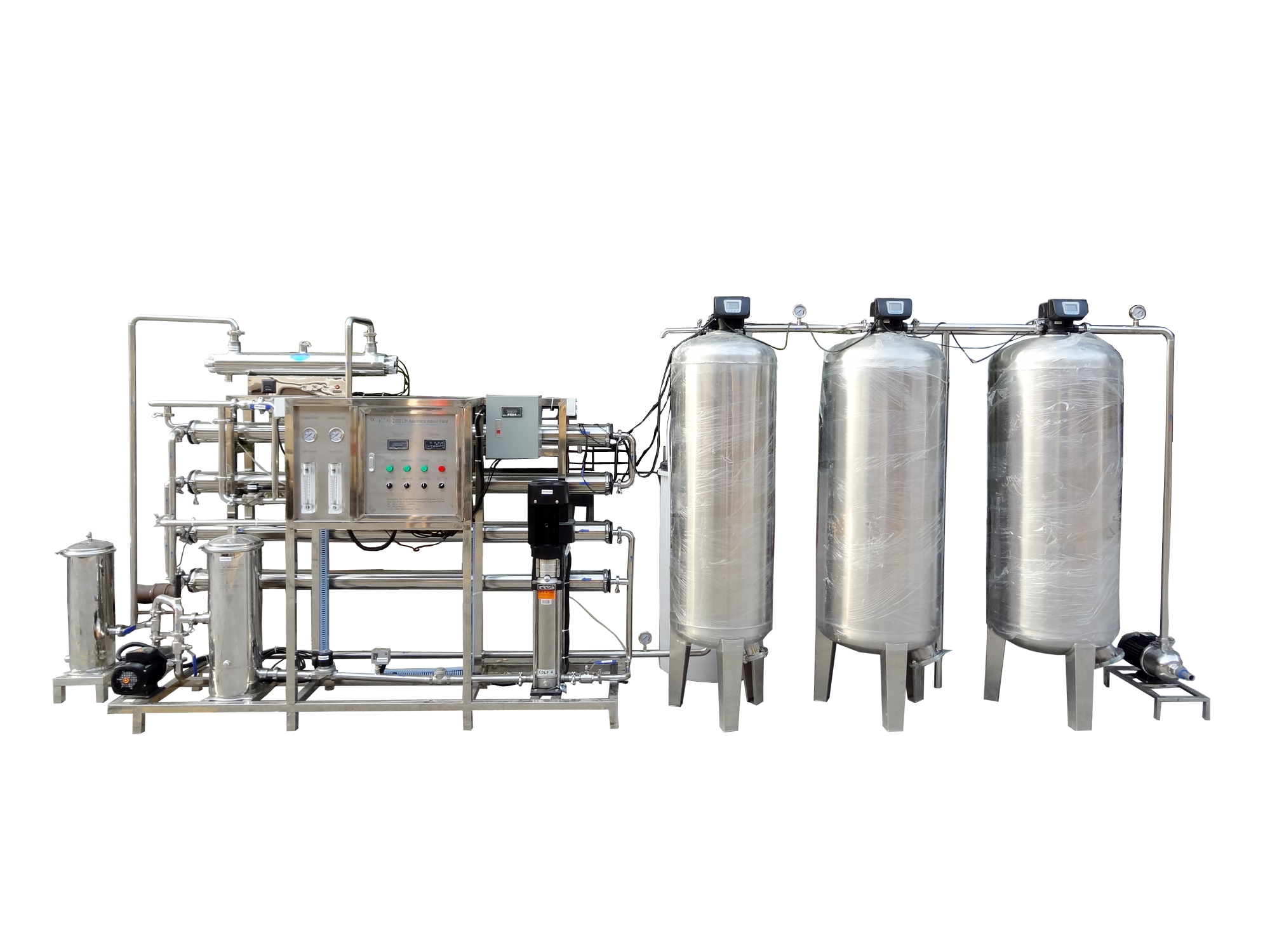
The typical lifespan of a reverse osmosis system is anywhere between 10 to 15 years. However, this is heavily dependent on the quality of the system, the regularity of maintenance, and the water quality. Proper care and timely replacements of key components can help ensure that an RO system lasts for the full 15 years, while neglecting maintenance could reduce its life expectancy to under 10 years.
Not all parts of an RO system last the same amount of time. Here’s a breakdown of the average lifespan for key components:
Pre-filters (Sediment and Carbon): These should be replaced every 6 to 12 months. Their role is to trap larger particles and chlorine, which helps protect the membrane. Regular replacement ensures that the membrane isn’t subjected to unnecessary stress.
RO Membrane: The membrane typically needs replacement every 2 to 3 years. Over time, the membrane becomes clogged with minerals and organic materials, reducing its filtration capacity. The lifespan can be extended with regular cleaning and proper water quality management.
Final Filters: These include polishing and remineralization filters, which help improve the taste and quality of the water. These filters generally last around 1 to 2 years before needing replacement.
Recognizing the signs of system degradation can help prevent system failure and costly repairs. The most common signs that parts need replacing include:
Reduced Water Output: If the system’s output drops significantly, it may indicate a clogged membrane or filters.
Poor Water Quality: If the water quality worsens, showing increased contaminants, discoloration, or bad taste, it’s a sign that the RO membrane or filters may need replacement.
Increased Pressure or Noise: Unusual sounds from the system or changes in water pressure can indicate a problem with the pump or the membrane.
To avoid disruptions in water supply, it's important to set reminders for regular maintenance. For example, scheduling filter and membrane replacements annually or semi-annually will help maintain the system's efficiency. Additionally, getting an expert to inspect the system once a year can catch problems before they affect performance.
In conclusion, the life expectancy of a reverse osmosis plant depends on several key factors, including the quality of its components, regular maintenance, water quality, and system usage. When these factors are carefully managed, an RO system can last between 10 to 15 years. Regular maintenance—such as timely filter and membrane replacements—and annual professional inspections can help extend the lifespan and ensure the system operates efficiently for years.
For those looking for reliable, high-quality reverse osmosis systems and expert support, Guangzhou Kai Yuan Water Treatment Equipment Co., Ltd. (KYWATER) is an excellent choice. With a proven track record in the water treatment industry, KYWATER offers cutting-edge solutions tailored to meet your needs. Their team of experts can guide you in selecting the right system, maintaining it for optimal performance, and ensuring long-term reliability. For more information or to discuss your specific requirements, feel free to contact KYWATER today for personalized assistance.


