


Views: 0 Author: Site Editor Publish Time: 2026-08-18 Origin: Site


Reverse Osmosis (RO) remains the most viable method for ensuring global water security. However, an inherent operational paradox exists. Power consumption alone often accounts for up to 50% of total operating expenses. High-pressure pumps must consume massive amounts of electricity to force raw feed water through semi-permeable membranes. This intense separation process leaves behind a highly pressurized brine reject stream that holds massive untapped kinetic energy. You simply cannot afford to let this pressure go to waste. Energy Recovery Devices (ERDs) now serve as a critical, non-negotiable component in modern facility design. They transform a heavy-OPEX Seawater Desalination Plant into a financially and environmentally sustainable operation. Read on to learn how these mechanical devices capture hydraulic energy, which technology fits your specific plant footprint, and how facility upgrades drastically lower your overall carbon footprint.
OPEX Reduction: ERDs capture hydraulic energy from the brine reject stream, cutting specific energy consumption (SEC) by up to 60%.
Technology Choice: Evaluation primarily comes down to Isobaric (Pressure Exchangers) vs. Centrifugal (Turbochargers/Pelton Wheels) devices, each with distinct efficiency and footprint profiles.
Retrofit Viability: Upgrading legacy plants with modern ERDs can increase total plant capacity without requiring upgrades to the primary high-pressure pump infrastructure.
Financial & ESG Impact: Effective ERD implementation drastically lowers the carbon footprint per cubic meter of produced water, easing compliance and securing stakeholder trust.
Historically, standard Seawater Reverse Osmosis (SWRO) required immense electrical power. Without modern energy recovery mechanisms, older facilities routinely consumed between 6 to 8 kWh per cubic meter of produced water. This pure brute-force approach heavily strained municipal budgets and private operating funds alike. Generating that much electricity often meant burning vast amounts of fossil fuels. This created a massive carbon footprint for local water utilities.
Global energy prices remain highly volatile today. This pricing instability directly threatens the fixed-rate profitability of municipal contracts and industrial water supply agreements. You simply cannot build a sustainable, long-term business model if your primary operational cost fluctuates wildly from season to season. Utility companies usually lock into long-term price agreements with their consumers. If power costs suddenly spike, the desalination facility absorbs the direct financial loss.
Scaling up production capacity amplifies these financial risks immensely. When regional governments or private developers plan a new Seawater Desalination System for Drinking Water, they must adhere to rigid OPEX limits. Consumer utility rates must remain affordable for the general public. High energy dependency restricts overall plant growth. It limits the ability of a region to deliver safe, affordable drinking water to a growing population. Modern facilities must find concrete ways to decouple their operational stability from unpredictable grid power pricing. Without immediate technological intervention, high energy demands will consistently bottleneck water security efforts worldwide.
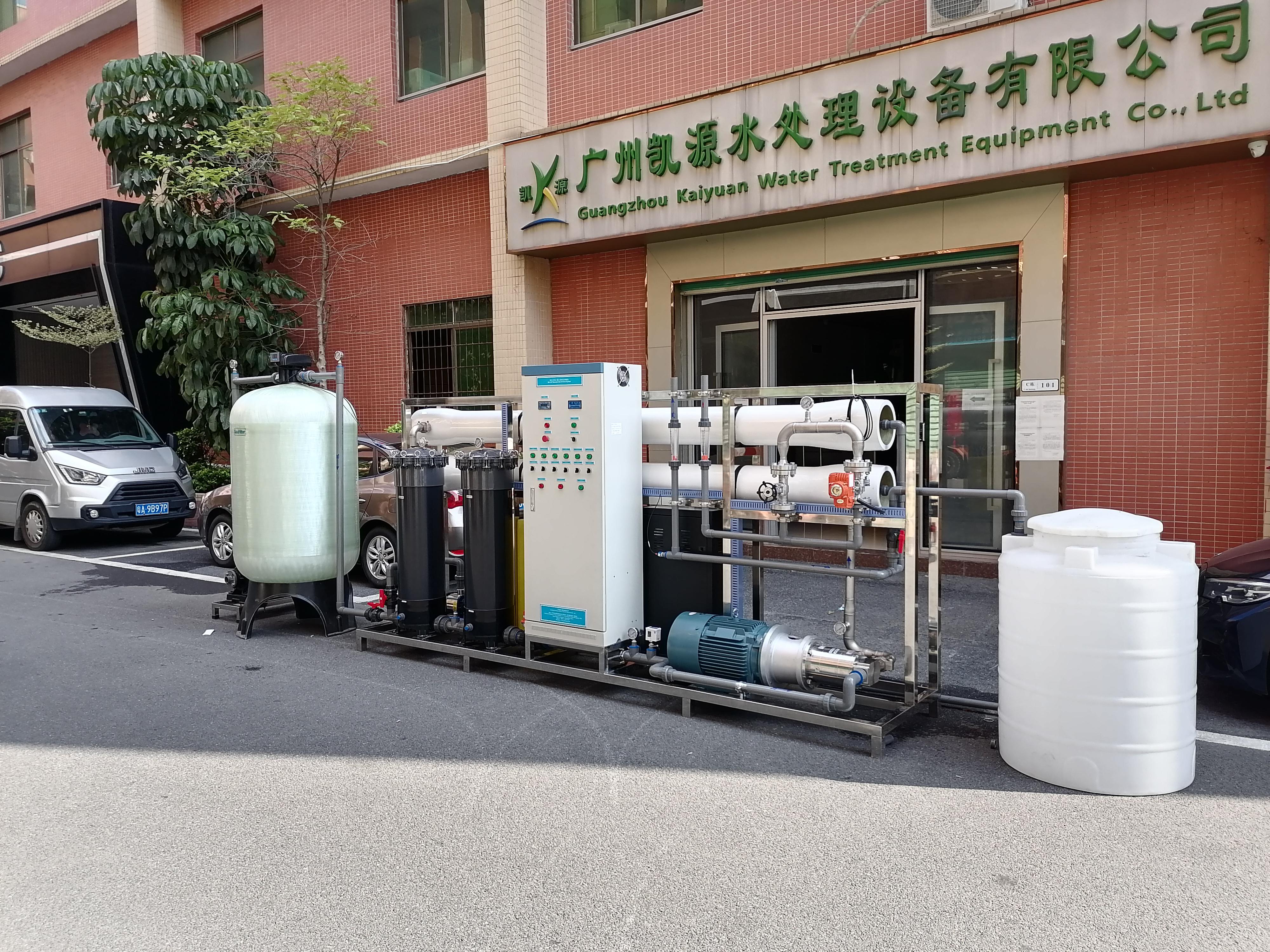
We must first examine the foundational physics of reverse osmosis without relying on marketing hyperbole. The membrane separation process inherently generates a high-pressure concentrate, widely known as brine, which continuously exits the membrane array. This reject stream remains highly pressurized. It retains roughly 60% of the initial hydraulic energy generated by the primary feed pumps.
In legacy plant designs, engineers simply dissipated this valuable pressure through a heavy-duty throttling valve. The valve would intentionally choke the flow. It turned that massive kinetic energy into useless heat and noise before discharging the brine back into the ocean. This outdated approach wasted millions of dollars in potential energy every single year.
Modern ERDs intercept this pressurized brine stream through specialized mechanical channels. Instead of bleeding the pressure off, the device routes the brine to mechanically transfer its hydraulic force directly to the incoming raw seawater feed. It functions remarkably like a fluid-driven gear system or a hydraulic pendulum. The high-pressure brine physically pushes against the low-pressure seawater, instantly boosting its pressure.
This pre-pressurized feed water significantly reduces the mechanical load on the primary High-Pressure Pump (HPP). Because the ERD handles a massive portion of the initial pressurization work, the overall system only requires a smaller, highly efficient supplementary booster pump to reach the final membrane feed pressure. The main high-pressure pump can then be downsized, drawing a fraction of the electrical current it previously required.
Selecting the right energy recovery technology defines the long-term efficiency and profitability of any commercial facility. The desalination industry generally relies on two main solution categories for outfitting a modern Seawater Desalination Plant. Facility operators must carefully weigh physical space constraints against their long-term target efficiency goals.
Centrifugal ERDs operate using traditional rotational mechanics and fluid dynamics. The high-pressure brine stream flows through a specialized nozzle, striking the blades of a rotor or turbine. This turbine then mechanically assists the motor of the high-pressure pump. In the case of a turbocharger, it directly boosts the pressure of the incoming feed stream through a shared rotating shaft.
They offer several distinct operational advantages. Centrifugal devices feature a highly compact, streamlined physical footprint. You can integrate them into existing piping configurations quite easily during facility retrofits. Furthermore, they guarantee absolutely zero volumetric mixing between the clean feed stream and the highly saline brine reject stream.
However, there are noticeable trade-offs you must consider. Their peak operational efficiency generally caps out lower than other technologies, typically ranging between 80% and 90%. Additionally, the physics of centrifugal turbines dictate they operate best at a highly specific design flow rate. You will experience a significant drop in energy recovery efficiency if your actual plant flow rates fluctuate frequently.
Isobaric ERDs rely on the principle of direct positive displacement. In these systems, the high-pressure brine directly pushes the incoming raw feed water inside engineered ceramic ducts or rapidly rotating cylindrical chambers. There is no intermediate mechanical shaft transferring the power; the fluids interact directly.
These devices deliver industry-leading efficiency rates. They routinely reach between 95% and 98% energy transfer. They are highly scalable, making them the default choice for massive mega-ton municipal projects globally. Isobaric technology maintains incredibly high efficiency even across widely varying daily flow rates, providing excellent operational flexibility.
The primary trade-offs involve spatial requirements and hydraulic complexity. Isobaric devices require a much larger physical footprint on the plant floor. Because the two fluid streams briefly touch inside the rotor chambers, you will experience slight volumetric mixing. This mixing marginally increases the baseline salinity of the feed water hitting the membranes. Consequently, engineers must carefully manage hydraulic balancing to prevent excessive mixing and maintain optimal performance.
ERD Technology Comparison Chart
Technology Type | Peak Efficiency | Footprint | Volumetric Mixing | Flow Flexibility |
|---|---|---|---|---|
Centrifugal (Turbocharger) | 80% - 90% | Compact | Zero Mixing | Low (Strict design point) |
Isobaric (Pressure Exchanger) | 95% - 98% | Large | Minimal (under 5%) | High (Handles variable flows) |
Decision-makers must translate advanced technical features into measurable financial outcomes. You need clear, data-driven metrics to evaluate the true success of an ERD installation.
First, you must focus heavily on Specific Energy Consumption (SEC). This primary metric defines exactly how much electrical energy produces one single cubic meter of fresh, potable water. Modern industry standards aim for a highly optimized SEC of 2.0 to 2.5 kWh/m³. The exact target for your facility depends heavily on local raw water salinity levels and seasonal water temperatures. Hitting this target SEC drastically improves facility profit margins and ensures long-term operational sustainability.
Next, evaluate the payback period and overall Return on Investment (ROI). Calculate this by directly comparing your local grid energy costs (¢/kWh) against the upfront capital expenditure (CAPEX) required for the ERD installation. Do not view the ERD simply as a sunk cost. In geographic regions where electrical energy prices run unusually high, the payback period for a modern isobaric device often drops to less than three years. After this brief period, the device generates pure operational savings.
Finally, factor in long-term maintenance requirements and total component lifespan. Isobaric devices frequently utilize highly durable alumina ceramics for their internal rotors. These advanced materials are nearly immune to chemical wear and tear. They require virtually zero scheduled maintenance over a 25-year lifecycle. Conversely, centrifugal devices rely heavily on mechanical bearings and rapidly spinning metal shafts. These rotating parts experience constant friction in a harsh saltwater environment. They will eventually require costly scheduled replacement or complex servicing.
Upgrading an operational plant is rarely a simple plug-and-play scenario. You must address clear, predictable engineering hurdles before breaking ground. Transparent planning prevents expensive operational failures and project delays.
Hydraulic balancing represents the most critical engineering challenge for isobaric systems. Engineers must manage internal pressure drops meticulously using advanced flow meters and variable frequency drives (VFDs). Poor hydraulic balancing leads directly to over-mixing between the reject brine and the raw feed streams. If over-mixing occurs, it artificially increases the feed salinity. This forces the RO membranes to work much harder, effectively negating the energy savings you just paid to install.
Material compliance requires absolute, strict attention from your procurement team. High-salinity brine at high pressures causes severe, accelerated corrosion in standard metals. You must specify Super Duplex stainless steel—featuring a high Pitting Resistance Equivalent Number (PREN)—or specialized industrial ceramics for all wetted components. Cutting upfront costs by using inferior materials will cause rapid equipment failure within months.
Downtime management dictates the ultimate success of a facility retrofit. Real-world upgrades must not disrupt established municipal water supplies or halt industrial production. Facility managers must plan execution phases carefully.
Here are common best practices when planning an ERD retrofit:
Conduct a comprehensive baseline energy audit prior to ordering any new equipment.
Design intelligent bypass loops to allow partial plant operation during the mechanical installation.
Verify your existing high-pressure piping can physically handle the newly altered flow dynamics and pressure spikes.
Train on-site operators specifically on balancing isobaric pressure differentials and monitoring mixing rates.
Common Mistake: Many facility managers assume they can easily install a modern ERD without resizing their existing booster pumps. Failing to align the booster pump curve exactly with the new ERD output results in severe cavitation, immediate efficiency losses, and eventual pump failure.
Energy Recovery Devices have evolved past being mere optional accessories. They now serve as the strict baseline requirement for any financially viable and environmentally responsible desalination project. Keep these final takeaways in mind as you plan your facility upgrades:
Select your ERD technology based on strict spatial limits and daily flow patterns. Use isobaric devices for new builds needing maximum efficiency, and lean toward centrifugal units for tight space retrofits.
Calculate your exact payback period using current local power rates to firmly justify the initial capital expenditure to stakeholders.
Prioritize long-term material durability above short-term savings. High-grade alumina ceramics and Super Duplex stainless steel prevent costly, catastrophic corrosion failures.
Do not leave massive potential savings untapped in your reject brine stream. Request a site-specific hydraulic audit or an ROI feasibility study from a certified engineering partner today. Map out your exact capacity gains and secure long-term operational profitability for your facility.
A: Installing a modern ERD typically reduces high-pressure pump energy consumption by 40% to 60%. The exact savings depend on the specific technology used, raw water salinity, and the baseline efficiency of the existing infrastructure.
A: Yes, older plants can successfully integrate pressure exchangers. However, engineers must carefully account for the larger spatial footprint of isobaric devices. The retrofit also requires integrating a properly sized booster pump to handle the newly pressurized feed stream.
A: No. Isobaric devices do cause minimal volumetric mixing, usually under 5%. Engineers precisely factor this slight salinity increase into the initial membrane feed pressure calculations. It does not compromise the final purity of the product water.
A: High-quality ERDs offer exceptional longevity. Devices utilizing advanced alumina ceramic components typically last 20 to 25 years. This durability aligns perfectly with the standard operational lifespan of the desalination plant itself, requiring minimal scheduled maintenance.


