


Views: 0 Author: Site Editor Publish Time: 2026-09-12 Origin: Site


Every cubic meter of freshwater produced generates an equal or greater volume of hypersaline brine. This undeniable operational reality creates a massive environmental and logistical challenge for facility operators worldwide. Brine management is no longer a simple afterthought in project planning. It stands as a primary driver of capital expenses and operational budgets. It dictates regulatory approval timelines. Ultimately, it determines overall project viability. You must establish clear, sustainable strategies to handle this inevitable byproduct to ensure facility success.
This article provides project developers and stakeholders an objective framework. We will guide you through evaluating current brine disposal methods. We also explore emerging resource recovery technologies and hidden compliance risks. You will learn how to balance strict environmental mandates against commercial realities. By understanding these dynamics, operators can avoid costly project delays and secure long-term operational compliance.
Regulatory dominance: Permitting for brine discharge often dictates the timeline and location of a modern Seawater Desalination Plant.
Standard vs. Advanced: Ocean outfalls remain the most common disposal method, but require engineered diffusers to prevent marine dead zones.
Resource recovery limits: While extracting commercial chemicals (like sodium hydroxide) or critical metals from brine is scientifically proven, commercial scalability requires rigorous cost-benefit analysis.
Zero Liquid Discharge (ZLD): ZLD eliminates environmental discharge but introduces significant energy and thermal processing costs, suited primarily for strict regulatory environments.
Reverse osmosis (RO) systems reject water heavily concentrated in salt. This reject water also contains various chemical additives. You will typically find anti-scalants and coagulants mixed into the stream. Facilities use these chemicals to prevent membrane fouling during the separation process. Heavy metals can also concentrate in this reject water. The resulting hypersaline volume demands immediate logistical attention. Operators cannot simply ignore these complex chemical profiles. The specific gravity of this fluid causes it to sink rapidly in natural water bodies. This creates dense layers affecting local water chemistry.
Environmental impact assessments (EIAs) heavily scrutinize brine plumes. Regulators view these dense saline discharges as significant threats to marine benthic ecosystems. Plumes can settle on the ocean floor and suffocate local flora and fauna. This creates a severe permitting bottleneck for developers. You face substantial project delays if your discharge strategy lacks rigorous environmental modeling. Local authorities often demand exhaustive baseline marine surveys before approving any construction. This scrutiny forces developers to prioritize environmental mitigation early in the planning phase.
Operating costs soar when facilities mismanage brine disposal. Brine management can account for up to 33% of a facility's operating expenses. This makes it a critical metric in all feasibility studies. You must budget for pumping energy, pipeline maintenance, and continuous environmental monitoring. Transporting or treating this heavy liquid requires robust infrastructure. Specialized corrosion-resistant materials add significantly to upfront capital requirements. Therefore, optimizing your disposal strategy directly influences the commercial success of the entire operation.
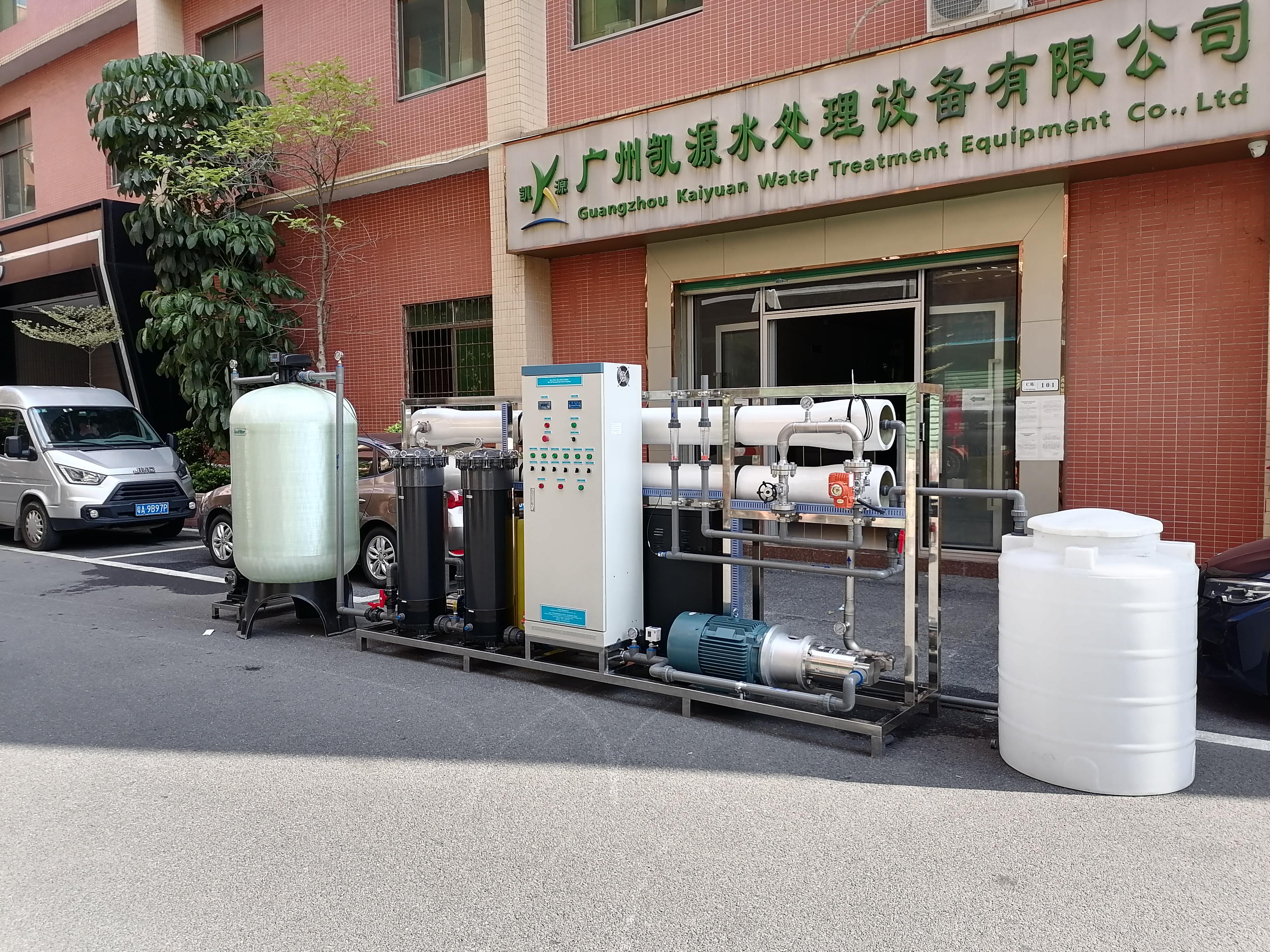
Returning brine to the sea remains the most widely adopted disposal mechanism globally. Facilities pump the reject water through long underwater pipelines. They release the fluid via submerged diffusers designed to ensure rapid dilution. These engineered ports force the brine into the surrounding water at high velocities. This jet action promotes aggressive mixing. It prevents the dense salt water from pooling on the seabed.
This method offers the lowest operating expenses among all disposal options. However, environmental agencies monitor ocean outfalls aggressively. You must implement continuous monitoring systems to track local salinity levels. Regulators require comprehensive baseline marine surveys before approving these outfalls. Operators face heavy fines if discharge plumes disrupt local marine habitats. Therefore, proper diffuser design and hydrodynamic modeling remain absolutely essential.
Deep-well injection involves pumping brine into porous subsurface geological formations. Facilities drill deep below existing freshwater aquifers. They target confined rock layers capable of absorbing massive liquid volumes. This method removes the effluent from surface ecosystems entirely. It presents a viable alternative for coastal facilities facing strict marine discharge bans.
However, this strategy depends heavily on specific local geology. You need highly permeable injection zones sealed by impermeable cap rock above. The process carries inherent risks of groundwater contamination if well casings fail. Furthermore, high-pressure injection can trigger induced seismicity in vulnerable fault zones. Regulators apply intense permitting friction due to these subsurface risks. You must conduct exhaustive hydrogeological surveys before considering this approach.
Evaporation ponds utilize natural solar energy to evaporate water. Facilities pump the reject stream into large, shallow basins. The sun gradually removes the moisture over time. This process leaves behind solid salt crusts. Operators then harvest or landfill these remaining solids.
This method works reliably only in arid climates offering abundant sunlight. It also requires massive tracts of inexpensive land. The strategy carries significant environmental risks regarding groundwater seepage. You must install durable synthetic liners to prevent soil contamination. High-density polyethylene (HDPE) liners degrade over time and require careful maintenance. Managing the final solid salt waste also adds logistical complexities to the operation.
The industry increasingly views desalination waste as a potential resource. Engineers can neutralize this fluid to extract marketable byproducts. Electrodialysis bipolar membranes can split the dissolved salts into distinct chemical components. This process produces valuable commercial chemicals like sodium hydroxide (NaOH) and hydrochloric acid. Facilities can reuse these chemicals on-site for pre-treatment processes. They can also sell them to local industrial markets. This circular economy approach theoretically offsets standard disposal costs.
Researchers have proven the scientific viability of extracting critical metals from hypersaline streams. Technology now exists to isolate lithium, magnesium, and rubidium from reject water. Laboratory-scale successes often generate massive media attention. Many stakeholders view this as the future of resource independence.
However, you must separate lab-scale successes from commercial-scale realities. The actual concentration of these metals in ocean water remains exceptionally low. Recovering them requires moving massive fluid volumes through complex separation matrices. The current technological readiness level for large-scale extraction remains low. Commercial operators struggle to justify the massive capital investments required for these advanced recovery units.
Industry veterans maintain a healthy skepticism regarding brine mining. The extraction processes demand exceptionally high energy inputs. They require complex, multi-stage separation equipment prone to aggressive scaling and corrosion. Commodity market fluctuations further complicate the financial models.
We strongly advise stakeholders against relying on brine monetization to subsidize primary facility construction. You should never build your baseline financial model around unproven resource recovery revenues. Wait for verified pilot data before committing capital. Treat resource recovery as a potential supplementary benefit. It is not currently a standalone funding mechanism for water infrastructure.
Zero Liquid Discharge completely eliminates liquid waste from the facility boundary. Engineers add thermal evaporation and crystallization equipment to the back end of a Seawater Desalination Plant. Brine concentrators first boil the reject stream to recover additional distilled water. Crystallizers then process the remaining thick slurry. This final step reduces the waste to a completely dry, solid salt block. Minimal Liquid Discharge follows a similar but less extreme path. It maximizes recovery without forcing the final transition to dry solids.
You must weigh the extreme benefits against the massive operational burdens when evaluating ZLD.
Pros: ZLD achieves absolute environmental compliance. It eliminates marine discharge entirely. It maximizes freshwater recovery yields from your source water. This makes it an ideal solution for strict inland facilities.
Cons: The process requires exponentially higher energy consumption compared to conventional outfalls. The thermal equipment demands massive capital investments. Handling and transporting the final solid waste adds distinct logistical challenges.
You should only specify ZLD when conventional methods fail to meet project constraints. Use the following checklist to determine if ZLD is appropriate:
The facility is located far inland, making ocean discharge pipeline costs prohibitive.
Local environmental agencies enforce strict zero-discharge mandates for all industrial wastewater.
The project has access to abundant, low-cost thermal energy or waste heat from adjacent power plants.
Groundwater protection regulations explicitly ban both evaporation ponds and deep-well injection.
You must balance geographical constraints against regulatory demands when designing a Seawater Desalination System for Drinking Water. Every site presents unique geological features. What works perfectly in a coastal desert will fail in a temperate inland region. Your chosen technology must align with long-term operational budgets and local environmental priorities. Selecting the wrong disposal method during the design phase will cripple the project financially.
Brine Management Assessment Matrix
Assessment Factor | Coastal Facilities (Ocean Diffusers) | Inland Facilities (Ponds / ZLD) |
|---|---|---|
Geography & Proximity to Coast | Ideal. Requires short pipeline routing and hydrodynamic marine modeling. | Poor fit. Requires massive land area (ponds) or complex thermal units (ZLD). |
Local Regulatory Stringency | Viable only in tolerant zones allowing monitored marine discharge. | Mandatory in regions enforcing strict Zero-Discharge environmental policies. |
Energy Availability | Low energy requirement. Relies mostly on standard pumping pressure. | High energy demand. Needs access to cheap or renewable thermal energy. |
Capital Expenditure Focus | Heavy investment in marine piping and specialized diffuser ports. | Heavy investment in thermal concentrators, crystallizers, or lined basins. |
Successful execution requires proactive engineering. You must engage specialized environmental consultants immediately. Do this early in the Front-End Engineering Design (FEED) stage. Schedule comprehensive hydrogeological surveys to understand subsurface risks. Initiate pilot testing to validate any proposed resource recovery technologies. Gathering real-world data at the specific site prevents expensive design errors later. Early preparation guarantees a smoother permitting process and predictable operational budgets.
There is no universal solution for managing hypersaline byproducts. Success requires matching the chosen technology to local geological conditions, strict regulatory frameworks, and realistic economic constraints. Ocean outfalls suit coastal projects prioritizing low operating expenses. ZLD serves inland facilities facing uncompromising environmental mandates. Emerging recovery technologies offer future promise but demand cautious commercial evaluation today.
Anticipating your compliance requirements early prevents costly facility retrofits. Planners must tackle the disposal strategy simultaneously with the core water purification design. Ignoring this byproduct until the final stages guarantees regulatory rejection.
We encourage project developers to act decisively. Schedule a comprehensive technical consultation today. Commission a detailed feasibility study to evaluate the exact logistical requirements for your specific site. Proper planning secures environmental compliance and guarantees long-term commercial viability.
A: Brine is not inherently toxic, but its high density causes it to sink. This can create density-driven hypoxia on the ocean floor, suffocating benthic flora and fauna. Facilities mitigate this risk by using engineered mixing diffusers. These diffusers forcefully scatter the discharge, ensuring rapid dilution and protecting the marine ecosystem.
A: Unregulated dumping in the desert poses severe environmental risks. It leads to catastrophic soil salinization and threatens deeper groundwater reserves through slow seepage. Furthermore, transporting massive volumes of heavy liquid to remote desert locations incurs prohibitive logistical costs. Facilities must use engineered, lined evaporation ponds instead.
A: No. While current pilot programs show promising technical results, commodity market fluctuations make revenues unpredictable. The high energy demands and complex extraction costs limit profitability. Brine mining currently serves as a supplementary operational benefit, not a standalone funding mechanism capable of financing initial plant construction.
A: Thermal plants like Multi-Stage Flash (MSF) produce brine with elevated temperatures but lower chemical additive concentrations. Reverse Osmosis (RO) plants discharge brine at ambient temperatures but with higher concentrations of anti-scalants and coagulants. These differing temperature and chemical profiles dictate different environmental modeling and disposal strategies.


