


Views: 0 Author: Site Editor Publish Time: 2026-09-24 Origin: Site


Operating in remote coastal areas, isolated islands, or off-grid sites introduces severe logistical challenges for reliable freshwater access. You cannot simply tap into a municipal water main. You also cannot truck in supplies without facing massive logistical hurdles. Traditional civil-engineered desalination infrastructure frequently proves completely prohibitive. It takes too much time to build. It demands heavy machinery and massive labor camps. It also remains highly inflexible once constructed. This leaves remote communities and isolated industries highly vulnerable to sudden water scarcity.
A containerized approach offers a modular, plug-and-play alternative. It dramatically simplifies global logistics. This guide evaluates the technical viability and implementation realities. It helps decision-makers determine if this modern setup fits their remote site requirements. You will discover how modular architecture bypasses complex civil engineering delays. We will also explore the critical role of pre-treatment and outline practical steps for evaluating off-grid energy integration.
Deployment Speed: Containerized systems bypass extensive civil engineering, offering rapid deployment and immediate operation upon arrival.
Energy Flexibility: Modern units can integrate with off-grid power sources, including solar arrays, minimizing reliance on expensive diesel transport.
Site-Specific Risks: Success relies heavily on accurate feed water analysis, robust pre-treatment (like Ultrafiltration), and a realistic plan for brine disposal and maintenance.
Scalability: Modular designs allow capacity expansion by simply adding parallel container units as water demand grows.
Remote islands, coastal mining camps, and isolated luxury resorts share a common baseline challenge. They fundamentally lack access to established municipal water grids. Transporting fresh water via barges requires massive logistical effort. Constructing long-distance pipelines through rugged terrain or deep marine environments is equally unfeasible. These traditional methods quickly complicate project timelines. They also leave you entirely vulnerable to weather delays or unpredictable supply chain gaps. Traditional site-built desalination plants require massive concrete foundations. They demand extensive custom piping and months of specialized on-site labor.
Housed inside standard 20ft or 40ft ISO shipping containers, a modern Seawater Desalination Plant changes this dynamic entirely. The standardized dimensional footprint guarantees easy global logistics. You can transport them via standard cargo ships, rail networks, and flatbed trucks. This approach fundamentally minimizes disruptive onsite construction. You only need a flat concrete pad, a reliable raw water intake mechanism, and a stable power connection to begin operations.
Furthermore, reputable manufacturers perform rigorous Factory Acceptance Testing (FAT) prior to shipping. This testing ensures they pre-plumb, pre-wire, and calibrate the entire system in a tightly controlled manufacturing environment. FAT drastically reduces onsite commissioning risks. Operators essentially plug the unit in and start producing potable water within days rather than waiting many months for construction to finish.
A successful remote installation relies on a sequence of finely tuned internal components. Remote environments bring harsh, unpredictable variables. Your system must handle them seamlessly to avoid unexpected downtime.
Remote areas frequently experience highly variable feed water quality. Seasonal storms churn up sand and silt, causing extreme high turbidity. Warm coastal waters often trigger sudden algae blooms. These organic elements present distinct fouling hazards. Robust pre-treatment is absolutely critical for remote success. Technologies like multimedia filtration and advanced Ultrafiltration (UF) serve as the vital first line of defense. They meticulously remove suspended solids and microorganisms. This protects the delicate reverse osmosis membranes from catastrophic fouling.
The core separation process relies on high-pressure pumps. These pumps push filtered seawater through microscopic semi-permeable membranes. Designers build these heavy-duty components to handle extreme salinity levels. They operate efficiently even in raw water containing up to 45,000 ppm Total Dissolved Solids (TDS).
Energy availability strictly limits remote operations. ERDs provide an essential mechanism for efficiency. They capture the residual kinetic energy from the high-pressure brine reject stream. The device then transfers this pressure back to the incoming feed water. This elegant mechanical loop drastically reduces the workload on the main high-pressure pump. It lowers overall power consumption by an impressive 30% to 50%.
The RO permeate exits the membranes incredibly pure. It lacks essential minerals and often has a slightly acidic pH. The post-treatment system injects exact doses of calcium and magnesium back into the water. This vital step stabilizes the pH profile. It guarantees the final output meets strict World Health Organization (WHO) standards. Ultimately, it delivers a perfectly safe and reliable Seawater Desalination System for Drinking Water.
Extreme coastal conditions quickly degrade unprotected industrial equipment. Manufacturers apply advanced anti-corrosive coatings to vulnerable exposed metals. They install marine-grade insulation and dedicated, heavy-duty HVAC systems inside the container. These climate-proofing measures rigorously protect sensitive internal electronics. They shield programmable logic controllers and variable frequency drives from corrosive salt-fog and extreme internal temperature fluctuations.
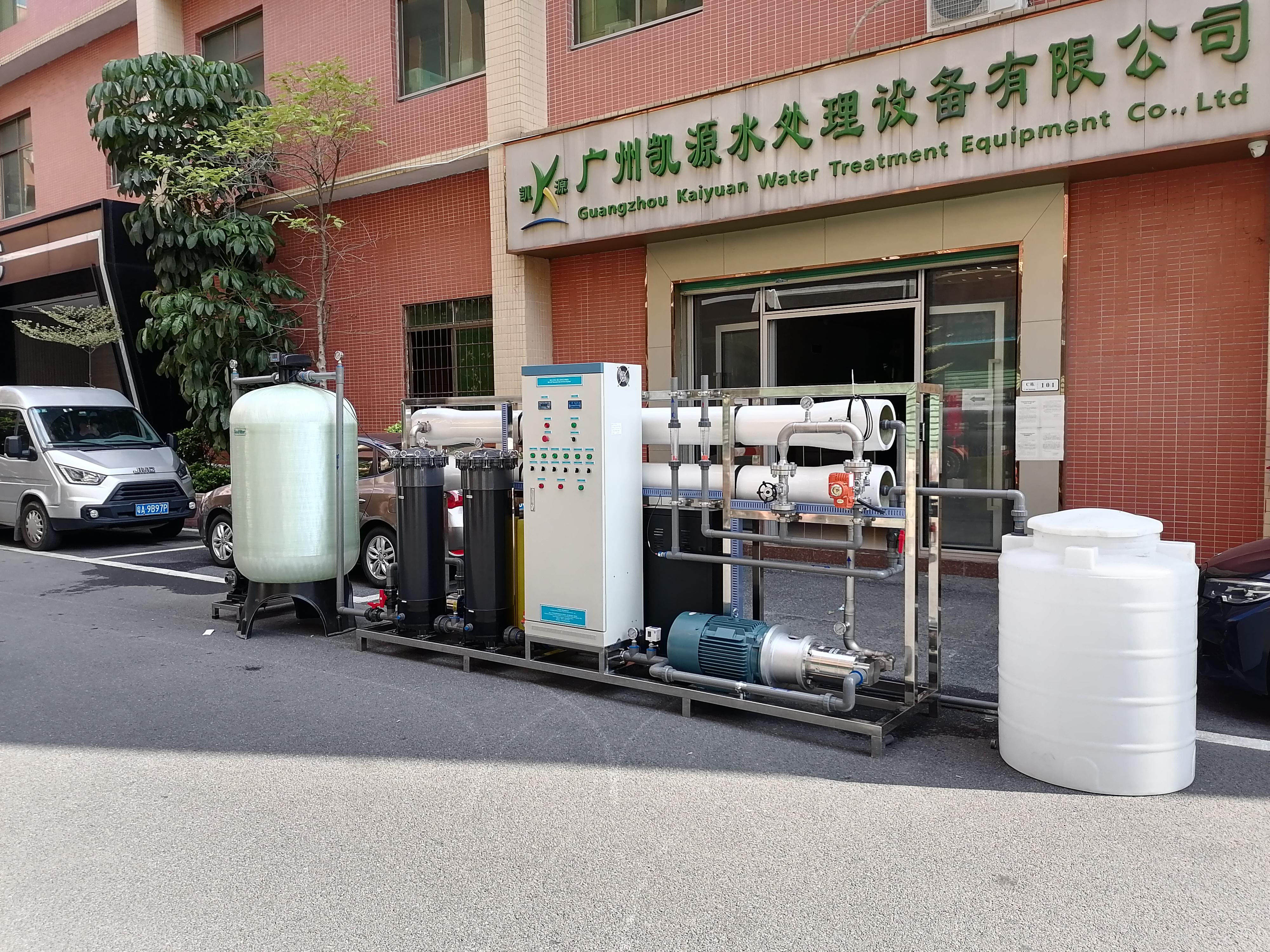
Desalination is inherently energy-intensive. Relying solely on diesel generators in remote areas creates major operational vulnerabilities. It directly exposes your facility to extreme fuel supply instability. It also introduces high risks regarding unpredictable supply chain disruptions. Transporting heavy diesel fuel to isolated islands or deep jungle camps often requires complex transport logistics.
Solar-powered integration offers an attractive, sustainable alternative. However, you must carefully evaluate the physical footprint required. Solar arrays needed to power high-pressure RO pumps demand substantial open land. You also face the strict limitation of intermittent power generation. The sun obviously does not shine at night. Because of this intermittency, water production may need to be batched exclusively during peak sun hours. Otherwise, you must couple the solar system with massive industrial battery storage. Alternatively, many operators deploy hybrid solar-diesel generator setups to guarantee continuous 24/7 operation.
Setting highly realistic expectations for power-to-water ratios is vital. The energy metric is usually measured in kilowatt-hours per cubic meter (kWh/m³). This ratio fluctuates based on two main environmental factors. Feed water salinity and temperature dictate the pressure requirements. Colder water and higher salinity both demand much higher pump pressures. Consequently, they significantly increase overall energy consumption.
Desalination Power Source Comparison
Power Source Strategy | Operational Reliability | Logistical Burden | Typical Remote Application |
|---|---|---|---|
Traditional Diesel Generator | High (Capable of 24/7 uninterrupted operation) | High (Requires frequent fuel delivery) | Remote mining camps, rapid emergency relief |
100% Solar Photovoltaic (PV) | Intermittent (Limited strictly to daylight hours) | Low (Requires minimal ongoing maintenance) | Small eco-resorts, batch water production |
Hybrid (Solar + Battery or Diesel) | High (Delivers balanced, reliable operation) | Medium (Optimizes fuel use and reduces deliveries) | Isolated island communities, coastal hotels |
Modular water treatment directly solves distinct, pressing challenges across diverse sectors. It adapts seamlessly to varying geographic and operational constraints.
Luxury island resorts demand absolutely uninterrupted potable water for their demanding guests. However, they cannot compromise their pristine, quiet aesthetics. Containerized units provide a highly discreet, low-noise footprint. Engineers can easily camouflage the external containers or tuck them behind existing service buildings. This layout guarantees an abundant fresh water supply without disrupting the serene guest experience.
Severe natural disasters frequently destroy fragile municipal water infrastructure. Containerized systems excel in these chaotic scenarios due to their rapid mobility. Emergency responders can deploy them extremely quickly via standard cargo ships, rail lines, or heavy trucks. Once dropped on-site, they provide immediate, life-saving humanitarian water relief to stricken populations within a few hours of commissioning.
Coastal mining operations require massive, consistent volumes of water. They need high-purity water for both daily worker consumption and complex, sensitive industrial processes. Modular units meet these heavy demands highly efficiently. Furthermore, temporary mining projects have distinct lifespans. Once the resource extraction ends, operators can easily unhook and relocate the entire desalination plant to the next remote project site.
Operating an advanced water facility far from urban centers involves unique, compounding risks. You must plan for physical and environmental realities long before the equipment ever arrives on site.
Standard supply chains frequently break down at the edges of the map. Remote operators must proactively stock essential consumable spares directly on site. You absolutely need a dedicated, climate-controlled inventory. Stock it with cartridge filters, specialized antiscalant chemicals, and replacement RO membranes. Failing to keep these exact items on hand can instantly turn a minor maintenance event into catastrophic, week-long downtime.
Modern systems utilize advanced Programmable Logic Controllers (PLCs) for heavy, continuous automation. However, they are not entirely hands-off appliances. The facility still requires basic local technical competence. On-site staff must perform visual daily monitoring. They must meticulously manage chemical dosing levels. They also need the training to execute precise Clean-in-Place (CIP) procedures to prolong delicate membrane life.
You must carefully address the serious environmental impact of discharging high-salinity brine. Pumping heavy, concentrated brine directly back into fragile marine ecosystems like shallow coral reefs can cause severe ecological damage.
Follow these essential regulatory considerations for safe discharge:
Utilize specialized outfall diffusers to ensure rapid, aggressive mixing with the surrounding seawater.
Extend the discharge pipe far enough offshore to reach strong, natural ocean currents.
Strictly comply with all local environmental protection agency standards to avoid operational shutdowns and severe fines.
Conduct baseline marine surveys prior to installation to monitor ongoing ecological health.
Choosing the right Original Equipment Manufacturer (OEM) strongly dictates the long-term viability of your remote project.
Customization vs. Off-the-Shelf: Vigorously avoid manufacturers who promise a generic "one-size-fits-all" solution. Seawater chemistry varies drastically by global region. Ensure the manufacturer specifically designs the pre-treatment module based on a comprehensive, site-specific raw water analysis.
Component Quality: Verify the strict use of industry-standard, globally sourced components. If the OEM uses highly proprietary, obscure pumps or localized membranes, finding replacement parts will quickly become a logistical nightmare. Stick to standardized parts accessible anywhere worldwide.
Remote Monitoring: Heavily prioritize systems equipped with sophisticated IoT-enabled PLCs. This crucial technology allows the manufacturer's dedicated engineering team to remotely troubleshoot issues. They can adjust pressure settings and optimize energy performance from thousands of miles away.
Warranty & SLA: Carefully review the formal Service Level Agreement (SLA). Scrutinize the legal terms regarding long-term membrane life guarantees. Demand clear system performance metrics and robust post-installation technical support.
A modular approach represents a highly suitable and operationally effective solution for isolated coastal environments. It actively overcomes the intense, frustrating logistical barriers associated with traditional, site-built infrastructure. It delivers reliable water where traditional methods completely fail. However, long-term operational success requires careful, meticulous upfront planning. You must rigorously evaluate your site-specific water conditions, local off-grid energy availability, and your actual on-site maintenance capabilities before committing to a final design.
As an immediate next step, commission a thorough, independent laboratory analysis of your raw marine feed water. Gather highly detailed data on seasonal turbidity spikes and maximum salinity levels. Then, consult directly with specialized water engineers. Ask them to model the complete lifecycle viability and operational practicalities of a custom-containerized system tailored precisely to your unique geographic constraints.
A: A well-maintained plant boasts a structural and operational lifespan of 15 to 20 years. The container itself and the heavy-duty piping withstand long-term use. However, the internal consumables require periodic changes. You should expect to replace the reverse osmosis membranes every 3 to 5 years, depending on your feed water quality and adherence to routine cleaning schedules.
A: Yes, but it requires significant planning. Running exclusively on solar means your water production is limited to daylight hours. To achieve 24/7 operation on solar alone, you must integrate massive, industrial-scale battery storage, which heavily increases the physical footprint. Many remote operators prefer a hybrid setup, combining solar arrays with backup generators for consistent reliability.
A: One of the biggest advantages is the minimal civil engineering needed. Before delivery, you only need to prepare a level concrete foundation pad capable of supporting the container's weight. Additionally, you must construct a raw feed water intake structure and a compliant brine outfall pipeline. The system arrives ready to connect.
A: Absolutely. The reverse osmosis process removes up to 99.4% of dissolved salts, bacteria, and viruses. Once the permeate passes through post-treatment remineralization to restore healthy pH and mineral levels, it acts as a complete seawater desalination system for drinking water. The final output consistently exceeds the stringent drinking water guidelines established by the World Health Organization.


