


Views: 0 Author: Site Editor Publish Time: 2026-09-18 Origin: Site


Intake design goes far beyond simple civil engineering. It acts as the primary driver of pretreatment expenses, environmental compliance, and long-term viability for any Seawater Desalination Plant. Poor intake choices guarantee downstream headaches. Membrane fouling often begins right at the intake source. When raw water quality drops, reverse osmosis systems inevitably face catastrophic failure. You cannot out-engineer terrible feed water using massive chemical interventions alone without destroying your operating budget. Plant managers quickly learn how the source dictates the entire operational reality.
We will explore the two dominant intake architectures defining modern water infrastructure: subsurface beach wells and open surface intakes. You will discover how site geology, target capacity, and strict regulations dictate this crucial choice. We will unpack the exact mechanisms behind natural sand filtration and offshore piping systems. By the end, you will know exactly which design suits your next project, ensuring you maximize efficiency while minimizing regulatory roadblocks.
Beach Wells act as natural bio-filters, drastically reducing pretreatment costs and environmental impact, but are strictly limited by local hydrogeological conditions and plant size.
Open Seawater Intakes offer virtually unlimited capacity for mega-scale projects but require heavy chemical pretreatment, complex screening, and rigorous environmental compliance to mitigate marine life impact.
Intake water quality dictates the design of the entire downstream pretreatment phase. Processes like coagulation, flocculation, and ultrafiltration rely heavily on predictable raw water metrics. If you pull highly turbid water, your pretreatment footprint expands rapidly. Engineers must design larger dosing tanks, source more expensive chemicals like ferric chloride, and build redundant clarification basins just to handle the sediment load.
Engineers must balance upfront site investigation costs against decades of chemical dosing and maintenance. We call this the CAPEX versus OPEX reality. Upfront construction costs often mask the severe financial drag of ongoing energy consumption and membrane replacement. Decision-makers sometimes choose the cheaper construction route, only to bleed capital over the next twenty years through intense, continuous maintenance schedules.
Consider these three critical business drivers when evaluating intake types:
Pretreatment Dependency: Poor intake designs force operators to build massive, expensive filtration systems to handle volatile raw water conditions.
Long-Term Operating Costs: Heavy chemical dosing, frequent antiscalant application, and continuous membrane cleanings drain operational budgets continuously.
Regulatory Viability: Stringent environmental regulations dictate marine life protection standards, shaping project permit approvals from day one.
Compliance frequently acts as a strict go or no-go gateway. Laws regarding marine life impingement and entrainment can immediately disqualify certain intake designs depending on the local jurisdiction. You must navigate these local regulations carefully before breaking ground.
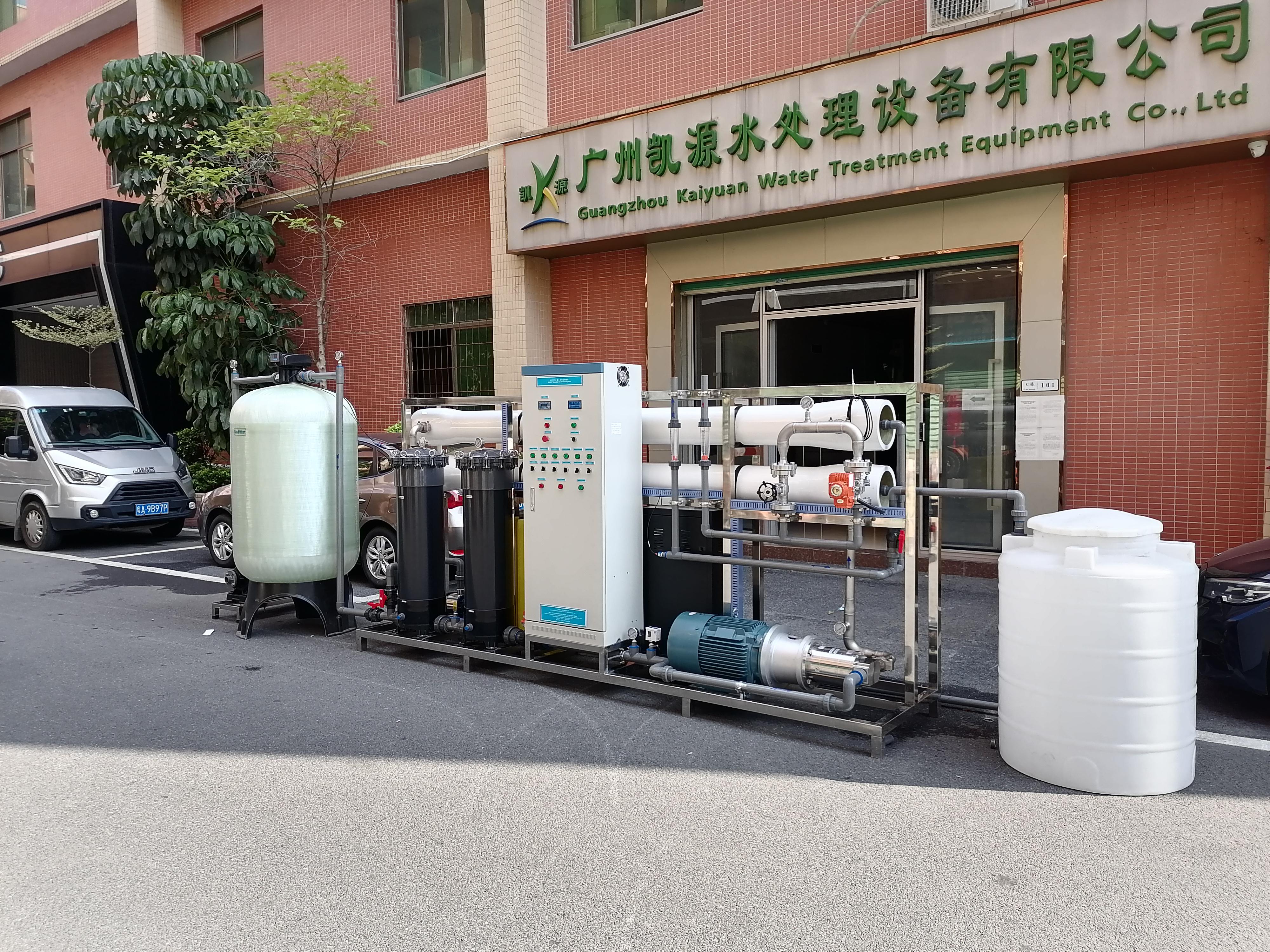
Beach wells extract water through coastal aquifers. They utilize the seabed sand as a natural slow-sand filter. This subsurface architecture forces seawater through porous geological layers before it reaches the extraction pumps. The earth itself performs the heavy lifting, stripping out massive amounts of particulate matter before it ever touches your facility.
Engineers can deploy several subsurface designs depending on coastal topography. Traditional vertical wells work perfectly in deep, highly permeable sandy aquifers. Horizontal directional drilled wells extend horizontally under the seabed, accessing larger filtration areas without disrupting the visible beach. Infiltration galleries utilize buried perforated pipes laid in engineered sand trenches. Each variation provides the same fundamental bio-filtration benefits.
This natural filtration provides incredible operational advantages:
Consistently lower Silt Density Index (SDI): Wells reliably deliver water showing dramatically reduced turbidity, keeping downstream filters clean.
Bio-fouling resilience: They virtually eliminate algae threats, including devastating red tides, which routinely cripple surface-fed plants.
Minimal environmental footprint: Wells avoid macro-marine life intake entirely, easing the permitting process and pacifying environmental watchdogs.
However, beach wells carry distinct limitations and risks. They face severe capacity constraints. Massive-scale facilities simply cannot rely on them to feed enormous municipal grids. Engineers typically cap subsurface designs at small to medium plants designed for localized or industrial applications.
They also exhibit strict geological dependency. You need specific substrate permeability to ensure adequate flow. Misjudging site hydrogeology leads to a high risk of well yield decline or rapid clogging. Planners sometimes assume coastal sand automatically guarantees good flow, which frequently proves false.
Best Practice: Always conduct long-term pump tests. Short-term testing often masks gradual drawdown issues in coastal aquifers.
Common Mistake: Ignoring seasonal groundwater shifts can leave beach wells pumping brackish or insufficient water during dry seasons.
Open intakes use offshore submerged pipes or onshore basins to draw raw surface seawater directly. They bypass geological filters entirely, prioritizing massive volume over natural water refinement. Giant pumps pull millions of gallons daily straight from the ocean body into the treatment facility.
Their primary operational advantage is virtually unlimited raw water volume. They remain the undisputed standard for large-scale municipal and industrial facilities globally. Open designs offer complete geological independence. You can deploy them where beach sands prove too shallow, rocky, or impermeable to support drilling equipment.
Despite these benefits, open surface intakes introduce severe operational risks. They remain highly susceptible to seasonal variations, severe storms, and oil spills. Algal blooms, commonly known as red tides, can force abrupt plant shutdowns because the biomass completely overwhelms the physical screens.
Operators rely heavily on robust physical screens like bar screens or traveling bands. Furthermore, the pipelines demand extensive chemical shock-chlorination to prevent internal biofouling from barnacles and mussels. Modern facilities utilize advanced passive wedge wire screens. These specialized screens minimize suction velocity, allowing small fish to escape the intake current safely.
Common Mistake: Underestimating the ecological impact. Open intakes require complex mitigation strategies to protect local marine ecosystems from the sheer pumping force.
Best Practice: Implement acoustic deterrents and air bubble curtains around the intake head. These physical barriers scare away marine life before they ever reach the danger zone, significantly easing environmental compliance burdens.
Scale and yield requirements heavily influence this decision. A beach well network eventually becomes economically unviable compared to a single large-diameter open intake when demand spikes into the hundreds of thousands of cubic meters per day. You must establish the exact capacity threshold for your specific site early in the feasibility stage.
Water quality output fundamentally dictates pretreatment sizing. When assessing raw water characteristics, operators closely monitor SDI and dissolved organics. Cleaner well water significantly streamlines the engineering of a Seawater Desalination System for Drinking Water. Conversely, open intakes demand aggressive pretreatment—often including dissolved air flotation—to hit potable feed standards safely.
Environmental and permitting friction varies wildly between the two methods. Regulatory bodies heavily scrutinize open intakes. Frameworks like the EPA 316(b) rule in the United States enforce strict compliance to protect aquatic organisms, mandating the best technology available to minimize adverse impacts. In contrast, beach wells generally enjoy relatively frictionless permitting due to their passive, hidden nature.
Financial modeling requires tracking CAPEX and OPEX timelines accurately. Beach wells demand higher exploration risk and initial drilling CAPEX. You pay heavily upfront for hydrogeologists. However, they deliver substantially lower pretreatment OPEX over time. Open intakes require high offshore construction CAPEX for marine pipelines, followed immediately by continuous, heavy OPEX for screen maintenance, chemicals, and membrane cleaning.
Evaluation Metric | Beach Wells (Subsurface) | Open Seawater Intakes |
|---|---|---|
Target Capacity | Small to medium facilities | Unlimited (Mega-projects) |
Raw Water SDI | Consistently low (Often under 3) | Highly variable (Frequently above 5) |
Permitting Friction | Low (Minimal marine impact) | High (Requires stringent mitigation) |
Cost Structure | Higher exploration CAPEX, low OPEX | High construction CAPEX, very high OPEX |
Never rely on broad assumptions during project planning. Site-specific piloting remains absolutely essential to avoid multi-million dollar failures. We strongly emphasize the necessity of a rigorous hydrogeological survey. Teams must execute comprehensive test-well pumping over several months before committing to any subsurface design. Advanced techniques like borehole logging and seismic testing help engineers accurately map the underground aquifer.
Redundancy planning secures long-term reliability for open intakes. Engineers must design multi-level intake depths. This vertical separation helps facilities avoid localized surface pollution or sudden algal blooms drifting near the surface. If the upper layer suffers from an oil spill, operators simply switch suction to the deeper intake lines to maintain safe water production.
Material selection determines the physical lifespan of the intake infrastructure. Both methods share a critical need for highly corrosion-resistant materials. Seawater aggressively attacks standard metals, causing rapid degradation. Specify Super Duplex stainless steel or High-Density Polyethylene (HDPE) components to prevent catastrophic structural failures in highly saline environments.
Neither intake method stands universally superior across all scenarios. The optimal choice strictly depends on an objective assessment comparing yield demand against localized geological realities. Choosing the wrong infrastructure at the start guarantees decades of inflated operating costs and environmental fines.
Begin every project planning phase using a thorough hydrogeological feasibility study to map aquifer potential.
Choose beach wells to slash long-term operating costs if local geology supports your required plant capacity.
Pivot to open intakes for mega-projects, but invest heavily upfront in advanced screening and automated pretreatment systems.
Consult specialized intake engineering teams early to build accurate, site-specific lifecycle cost models before finalizing civil designs.
A: Beach wells provide superior protection. The geological buffer naturally filters out algal blooms and biological contaminants. This passive filtration effectively prevents the acute plant shutdowns frequently experienced by open intake facilities during severe red tide events.
A: Yes, hybrid systems certainly exist. Beach wells provide base-load high-quality water for standard operations. Open intakes then supplement peak demand during high-capacity requirements. However, combining them significantly increases operational complexity and maintenance overhead.
A: Beach wells typically deliver highly filtered raw water showing an SDI well below 3. This requires minimal downstream pretreatment. Open intakes frequently draw water exceeding SDI 5, necessitating aggressive, multi-stage filtration to protect reverse osmosis membranes.
A: The primary ecological risks include impingement, which traps fish against physical screens, and entrainment, which draws micro-organisms directly into the plant. Facilities must install expensive, highly engineered mitigation technologies to satisfy stringent local environmental laws.


