


Views: 0 Author: Site Editor Publish Time: 2026-09-15 Origin: Site


Reverse osmosis (RO) serves as the gold standard for seawater desalination globally. However, the process yields water structurally incomplete. RO creates ultrapure liquid, yet it remains highly aggressive and chemically corrosive. Municipal planners and industrial operators understand a harsh reality. Producing desalinated water solves only half the operational equation. Without proper post-treatment, raw RO permeate damages expensive piping infrastructure rapidly.
Un-remineralized water also fails strict regulatory health standards meant to protect consumers. We designed this guide to break down critical drivers behind remineralization. We explore the business, infrastructural, and compliance necessities shaping these engineering decisions.
You will learn how to evaluate various post-treatment solutions effectively. This knowledge secures long-term stability and success for your commercial desalination project. You can protect your physical assets while delivering pristine, safe drinking water to communities.
Infrastructure Protection: Untreated RO water is highly acidic and corrosive; remineralization prevents catastrophic degradation of distribution pipelines.
Public Health Compliance: A compliant seawater desalination system for drinking water requires the reintroduction of essential minerals (calcium and magnesium) to meet WHO guidelines.
System Stability: Adding alkalinity stabilizes pH and prevents the leaching of heavy metals from downstream plumbing networks.
CAPEX vs. OPEX Trade-offs: Selecting the right remineralization approach (e.g., calcite contactors vs. liquid chemical dosing) depends on footprint constraints, local chemical availability, and target water profiles.
RO membranes strip away up to 99% of dissolved solids from feed water. They remove harmful salts efficiently. Unfortunately, they also strip away beneficial minerals. This extreme purification creates a severe chemical imbalance. Water seeks equilibrium naturally. If it lacks minerals, it will extract them aggressively from surrounding materials. Engineers measure this corrosive tendency using the Langelier Saturation Index (LSI).
RO permeate consistently registers a severely negative LSI score. A negative LSI indicates highly corrosive water. It will attack any metal or concrete surface it touches. You must correct this imbalance before distribution.
Aggressive water introduces massive financial risks. Municipal distribution grids rely on stable water chemistry to survive decades of continuous use. When corrosive permeate flows through unprotected pipes, it strips away interior linings. You will observe accelerated pipe corrosion almost immediately. Maintenance cycles shrink drastically. Infrastructure fails prematurely. Replacing miles of underground municipal piping costs millions. Operating a Seawater Desalination Plant requires protecting these downstream assets relentlessly. You cannot afford to ignore post-treatment chemistry.
Corrosive water actively dissolves pipe walls day and night. Iron and copper leach directly into the drinking supply. This continuous leaching triggers the notorious "red water" phenomenon. Residents open their taps and receive rusty, discolored water. This secondary contamination destroys public trust instantly. It sparks severe public relations crises for utilities. It also triggers immediate regulatory compliance violations. You must treat the permeate before it ever leaves your facility.
Consider the matrix below to understand how LSI values dictate corrosion risks in municipal grids:
LSI Value Range | Water Condition | Infrastructure Impact |
|---|---|---|
-2.0 to -3.0 | Highly Aggressive | Severe corrosion; rapid metal leaching. |
-0.5 to -1.9 | Mildly Aggressive | Slow degradation of pipe linings. |
0.0 to 0.5 | Balanced / Stable | Ideal condition; forms protective scale. |
> 0.5 | Scale Forming | Excessive mineral buildup; restricted flow. |
Remineralization restores missing alkalinity to the water stream. Alkalinity acts as a crucial chemical buffer. It protects against sudden pH variations during distribution. Stable pH prevents erratic chemical reactions within the municipal network. You must also create a protective calcium carbonate scale. Properly mineralized water deposits a microscopic layer of calcium carbonate inside pipes.
This thin scale halts internal corrosion entirely. It acts as a physical barrier between the raw water and the vulnerable pipe material. Without this scale, steel and ductile iron degrade rapidly.
Human bodies require specific dissolved minerals to function properly. We rely heavily on daily drinking water for essential calcium and magnesium intake. The World Health Organization (WHO) publishes strict guidelines regarding minimum mineral content. Local environmental protection agencies enforce similar strict regulations. Building a compliant Seawater Desalination System for Drinking Water demands meeting these baselines.
Long-term consumption of demineralized water poses documented cardiovascular health risks. Magnesium deficiency, in particular, impacts heart health negatively. Remineralization mitigates these risks effectively. It transforms sterile industrial permeate into life-sustaining hydration.
Ultrapure water tastes remarkably flat. Many consumers describe it as bitter or distinctly artificial. Pure water actually leaches minerals from human saliva. This leaching creates an unpleasant sensory experience. Our palates expect dissolved minerals naturally.
Minerals provide the crisp, refreshing taste associated with natural mountain springs. You must overcome this sensory hurdle completely. Organoleptic properties dictate end-user adoption. If the water tastes bad, municipal residents will reject the deployment. Remineralization ensures broad public satisfaction. It restores the familiar taste profile communities expect from their taps.
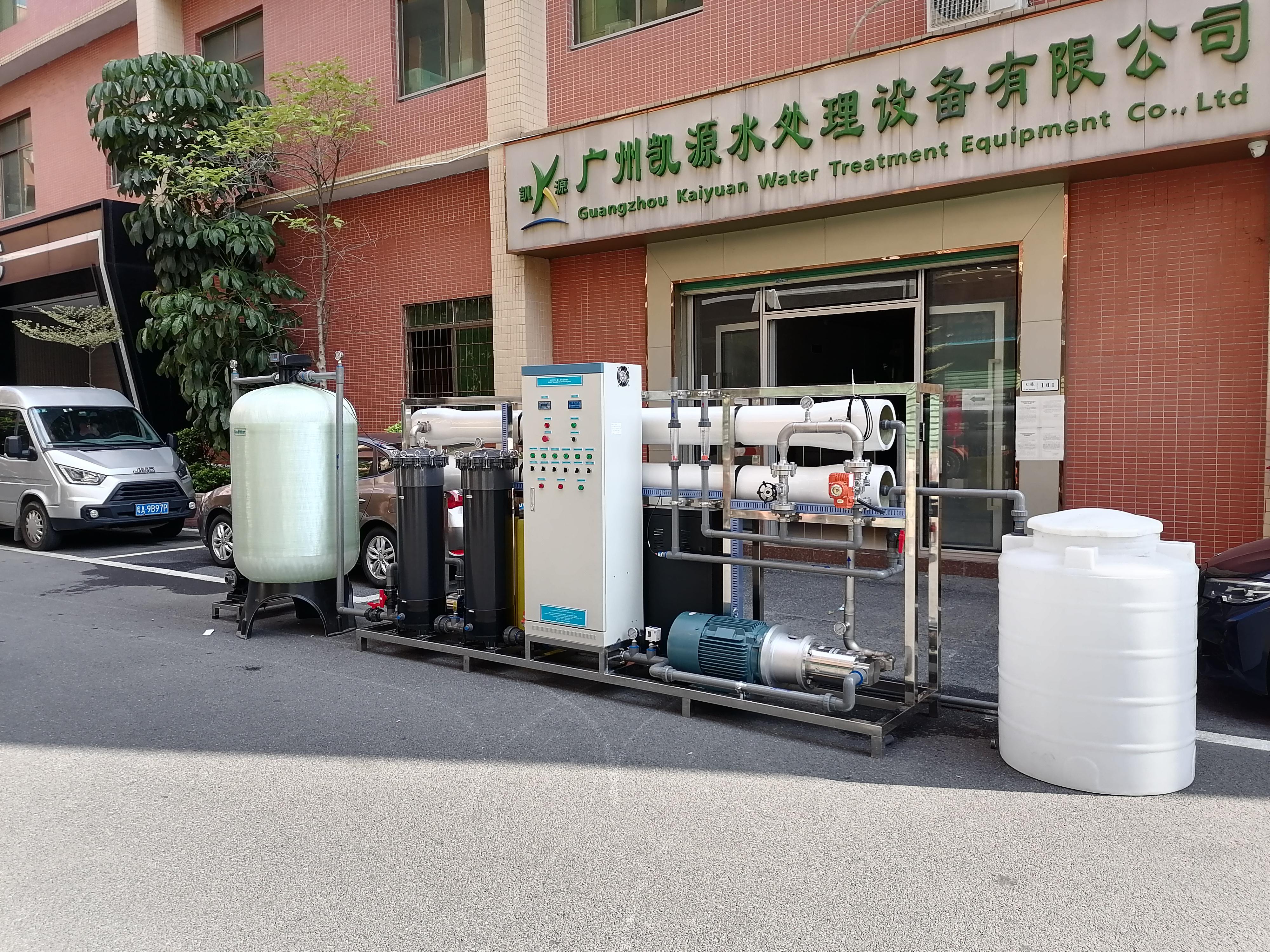
Engineers deploy several distinct technologies to achieve optimal remineralization. Each approach carries specific operational trade-offs. You must match the technology to your site constraints.
Operators pass CO2-acidified water through large, vertical limestone beds. The acidic water dissolves the limestone media slowly. This continuous reaction releases calcium and bicarbonate into the stream natively.
Pros: The chemistry self-regulates naturally. It offers exceptional reliability and lower ongoing operating costs (OPEX). You avoid managing complex liquid dosing pumps.
Cons: These contactors demand a massive physical footprint. You must dedicate significant real estate to house the tanks. They also require regular backwashing sequences. Operators must physically top-up the heavy media beds periodically.
You inject mineral slurries or liquid solutions directly into the treated water stream. Automated pumps monitor flow rates and adjust dosing volumes in real-time.
Pros: Dosing provides highly precise control over the final mineral profile. You can adjust water quality targets instantly via software. The injection equipment features a very compact physical footprint.
Cons: This method drives higher daily OPEX. Facilities face strict handling and safety requirements for bulk chemical deliveries. Injection equipment often suffers from localized scaling. Maintenance teams must clean the injection nozzles frequently.
You blend a small percentage of treated, filtered source water directly back into the pure RO permeate. This adds natural minerals back instantly.
Evaluation Note: Engineers rarely use this technique in pure seawater applications. Seawater carries extreme salinity and severe pathogen risks. A small blending error causes massive compliance failures. However, this method remains highly relevant for brackish water plants dealing with lower base salinities.
The chart below summarizes the comparison between primary remineralization approaches:
Technology Approach | Footprint Requirement | Control Precision | Maintenance Intensity |
|---|---|---|---|
Calcite Contactors | High (Large Tanks) | Moderate (Self-regulating) | Low (Periodic media top-ups) |
Liquid Chemical Dosing | Low (Compact Skids) | High (Instant adjustment) | High (Pump cleaning, chemical handling) |
Mineralized Blending | Very Low (Pipe bypass) | Low (Varies with source) | Low (Valve monitoring) |
Designing a remineralization system sounds simple in theory. Practical implementation introduces significant logistical challenges. Plant operators must navigate several operational risks daily.
Sourcing high-purity, food-grade limestone creates persistent bottlenecks. Geography dictates chemical availability heavily. If you build a plant in a remote coastal region, importing food-grade lime becomes complex. Standard industrial lime contains heavy metal impurities. You cannot use it for drinking water. You must secure reliable local suppliers before finalizing your engineering design.
Lime dosing systems often produce unwanted sludge. Un-dissolved lime particles create high turbidity in the water stream. You cannot send cloudy water into a municipal distribution grid. Facilities require downstream filtration systems to catch these stray particles. This requirement adds mechanical complexity. It also increases daily maintenance tasks for your crew.
Retrofitting remineralization into an existing plant challenges engineers constantly. You must secure significant spatial planning for massive contact tanks. Even compact dosing skids require dedicated, climate-controlled chemical storage rooms. Planners must map out integration points carefully. You must avoid disrupting existing hydraulic profiles.
Remineralization adds approximately 5% to 15% to total water production costs. You must acknowledge this operational expense transparently. However, you must balance this necessary expenditure against massive avoided costs. Protecting downstream infrastructure saves millions in pipe replacement. Producing compliant water prevents catastrophic legal liabilities.
Selecting the right post-treatment architecture requires methodical planning. You cannot rush this engineering phase. Follow a structured evaluation process to ensure long-term success.
Define Success Criteria: You must align your remineralization choice with target effluent quality. Review local discharge and drinking water regulations carefully. Analyze the specific metals used in your local distribution network. Different pipe materials require different LSI targets to prevent corrosion.
Execute Pilot Testing: Never skip pilot testing. You must run a pilot-scale test of the specific mineral dissolution rate. Laboratory models often differ from real-world flow dynamics. A physical pilot test proves the chemistry works perfectly. Complete this step before finalizing expensive EPC contracts.
Conduct Vendor Evaluation: Select a post-treatment system integrator wisely. You need partners who understand coastal water challenges.
Look for proven system uptime in similar coastal environments.
Demand localized chemical supply chain analysis from the vendor.
Prioritize automated water quality monitoring capabilities.
Verify strong safety records regarding bulk chemical handling.
You must evaluate physical space constraints accurately. Map out delivery truck routes for bulk chemical offloading. Ensure your facility handles chemical deliveries safely without interrupting primary RO operations. Planning these logistics early prevents costly redesigns later.
Remineralization never serves as an optional add-on for commercial desalination. It represents a fundamental structural necessity. You must convert destructive RO permeate into safe, non-destructive drinking water. Ignoring this step guarantees catastrophic infrastructure failure. It also guarantees severe health compliance violations.
Balancing site constraints with long-term operating costs remains critical. This balance dictates your optimal choice between precise chemical dosing and robust contactor methodologies. You must prioritize stable water chemistry above all else.
Consult with water treatment engineering specialists early in your design phase. Ask them to run a comprehensive LSI analysis on your projected plant output. Scope your appropriate post-treatment architecture immediately. Proactive planning secures your facility's operational future and protects the communities you serve.
A: Plants primarily add Calcium (Ca2+) and Magnesium (Mg2+) back into the water stream. These minerals ensure public health compliance and provide essential corrosion control. Operators also introduce bicarbonate. Bicarbonate restores missing alkalinity and acts as a crucial pH buffer for the municipal grid.
A: No. Pumping un-mineralized RO water into a municipal grid will rapidly destroy distribution pipes. Pure permeate is highly aggressive. It strips metals directly from plumbing. It also fails legal health and safety standards for human consumption globally.
A: It varies by chosen technology. Generally, it adds a minor percentage to total daily operating expenses. However, this production cost is effectively offset entirely. It prevents multi-million dollar infrastructure corrosion and eliminates severe regulatory compliance fines.
A: Yes. It serves as the primary mechanism for raising and stabilizing the water's pH. RO permeate exits the membranes in an acidic state. Remineralization elevates this pH to a neutral or slightly alkaline state. The target typically ranges from 7.5 to 8.5, making it perfectly suitable for safe distribution.


