


Views: 0 Author: Site Editor Publish Time: 2026-09-21 Origin: Site


Operating a seawater desalination plant involves continuously battling one of the most aggressive natural environments on earth: high-chloride, highly oxygenated saltwater. You face constant chemical attacks designed to break down heavy industrial infrastructure. Unchecked corrosion leads to catastrophic pump failures, rapid membrane fouling, unbudgeted downtime, and severely shortened facility lifespans. This physical degradation rapidly forces operators into reactive maintenance cycles where unexpected shutdowns spiral out of control.
For facility operators, engineers, and procurement teams, preventing corrosion is a primary CAPEX and OPEX balancing act. You need proven strategies to protect capital assets while maintaining continuous water output. This guide breaks down evidence-based material selection, process controls, and maintenance frameworks to ensure plant longevity. We will explore advanced metallurgy, active electrochemical defenses, and process-specific vulnerabilities. You will learn exactly how to engineer structural resilience into your water treatment systems from day one.
Material specification is the baseline: Selecting alloys based on their Pitting Resistance Equivalent Number (PREN) directly dictates long-term OPEX.
Process determines vulnerability: Reverse Osmosis (RO) and Thermal (MED/MSF) desalination methods require vastly different anti-corrosion architectures.
Chemical and electrochemical defenses are mandatory: Cathodic protection and precise chemical dosing must work in tandem with physical materials.
Vendor evaluation requires lifecycle proof: Shortlist partners based on documented performance in comparable marine salinity and temperature conditions, not just initial CAPEX.
Metals degrade rapidly when continuously exposed to saltwater. You must understand specific corrosion mechanisms to protect your infrastructure. A Seawater Desalination Plant faces several distinct chemical and physical threats daily, requiring highly specialized engineering solutions.
First, chloride-induced pitting and crevice corrosion pose severe risks. Saltwater initiates a localized breakdown of passive oxide films on metal surfaces. These attacks concentrate heavily in high-salinity zones, creating deep micro-pits. They often go completely unnoticed until a sudden, catastrophic leak occurs. Furthermore, crevices under gaskets, flanges, or fasteners trap stagnant saltwater. This trapped brine accelerates localized decay by depleting oxygen and increasing acidity within the crevice.
Second, stress corrosion cracking (SCC) frequently destroys critical high-pressure components. This phenomenon heavily targets weld points and structural zones common in reverse osmosis systems. The lethal combination of tensile stress, elevated temperatures, and aggressive chlorides causes sudden, brittle failures. Metals that normally bend will simply snap under SCC conditions.
Third, galvanic corrosion happens when dissimilar metals physically connect within piping networks. The more anodic metal degrades at an accelerated rate to protect the cathodic metal. Improperly coupling bronze valves to stainless steel pipes provides a classic example of this destructive reaction. Over time, the anodic component dissolves entirely.
A successful mitigation strategy tackles these exact mechanisms directly. It minimizes lifecycle maintenance costs and maintains consistent plant uptime. Most importantly, robust corrosion prevention ensures absolute regulatory compliance for drinking water safety. You cannot afford heavy metal contamination from degrading pipes when producing public potable water.
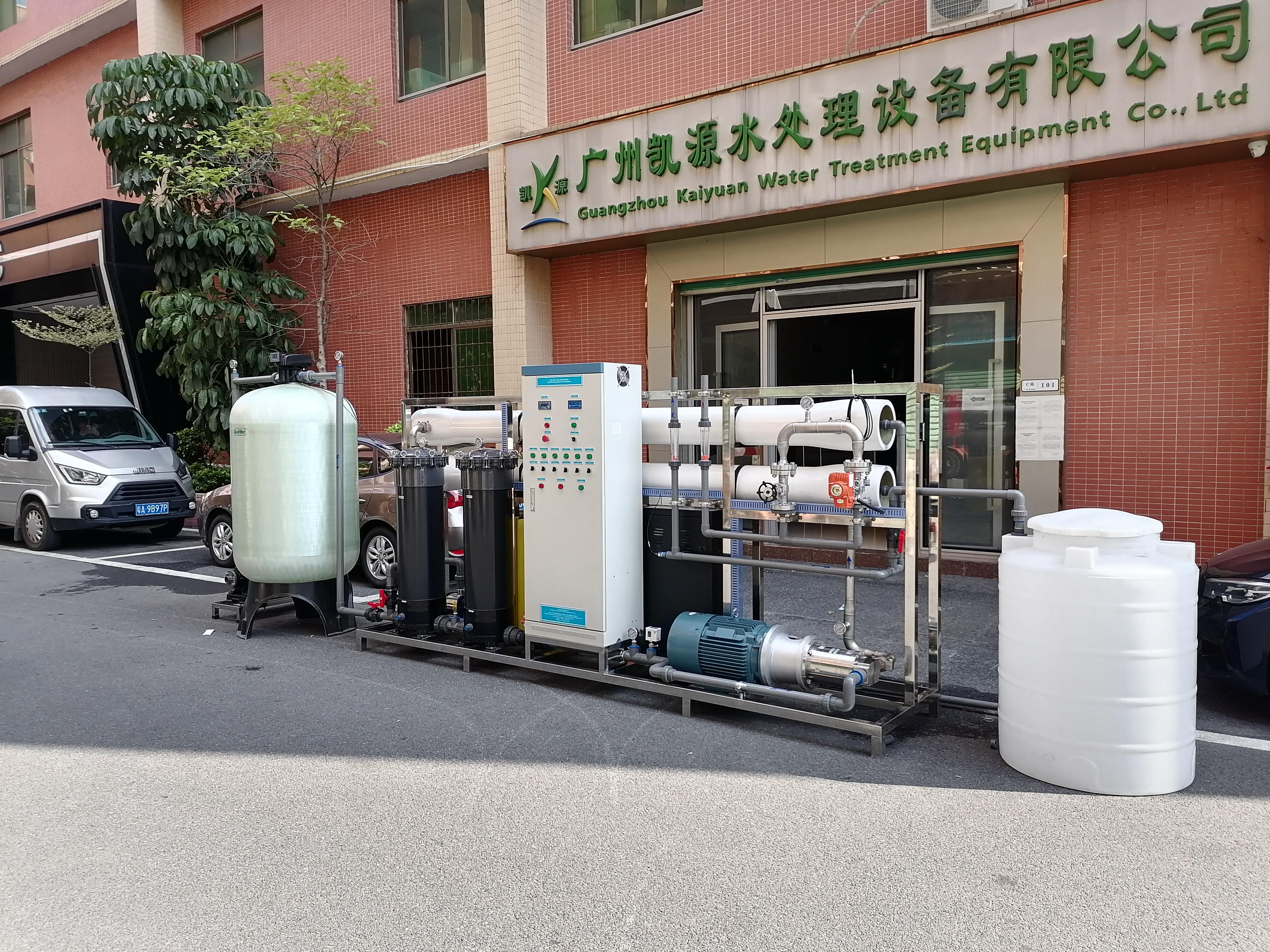
Material selection dictates both initial installation cost and long-term operational longevity. You must frame every material choice as a strict balance between upfront capital expenditure and future replacement cycles.
Engineers rely heavily on the Pitting Resistance Equivalent Number (PREN) to evaluate metal alloys. This standard metric predicts how well a specific metal withstands localized pitting. Standard duplex stainless steels offer moderate protection for mid-level salinity. However, super duplex stainless steels (featuring a PREN greater than 40) remain the absolute industry standard. They easily handle the punishing realities of high-pressure RO pumps, energy recovery manifolds, and concentrated brine piping.
Titanium and specialty nickel alloys provide next-level defense. You will often assess these materials for high-temperature thermal desalination environments. They require a significantly higher initial investment. Yet, they deliver a virtually zero corrosion rate in seawater, effectively eliminating expensive replacement cycles over the facility's lifespan.
Non-metallic alternatives also play a massive role in modern facility design. Fiber-Reinforced Plastics (FRP) and High-Density Polyethylene (HDPE) cannot rust. They serve perfectly for low-pressure intake lines, outfall structures, and open brine disposal networks. These materials drastically reduce structural weight and slash routine maintenance requirements.
Material Category | Typical PREN Range | Primary Plant Application | Initial Investment Factor |
|---|---|---|---|
316L Stainless Steel | 23 - 28 | Low-salinity permeate water lines | Low |
Super Duplex Steel | > 40 | High-pressure RO pumps, manifolds | Medium to High |
Titanium Alloys | Exceptional | Thermal heat exchangers, MED stages | Very High |
FRP / HDPE | Immune to rust | Intake, outfall, low-pressure brine pipelines | Low to Medium |
Keep in mind, even the best materials fail if handled poorly during construction. Improper welding in duplex steels easily destroys their anti-corrosive properties. Excessive heat input during welding alters the delicate phase balance of the metal. This creates critical vulnerabilities right at the joint, inviting rapid pitting. You must mandate strict welding procedures and certified third-party inspections to mitigate this implementation risk.
Different plant architectures demand heavily tailored anti-corrosion strategies. What functions perfectly for one process often fails spectacularly in another. You must adapt your defenses to the exact physics of your chosen technology.
Reverse Osmosis (RO) systems operate under immense physical stress. We must focus intensely on high-pressure challenges. Operators need to protect high-pressure pumps, energy recovery devices (ERDs), and membrane housings. These components face extreme flow velocity and severe turbulence. Localized pitting becomes the primary enemy here. High-velocity saltwater easily strips away weak passive layers on inferior metals, causing rapid structural degradation.
Thermal systems like Multi-Stage Flash (MSF) and Multiple Effect Distillation (MED) present entirely different hurdles. You must focus on high-temperature challenges instead of high pressure. Heat massively accelerates chemical reactions in saltwater. Scaling and uniform corrosion constantly threaten expensive heat exchanger tubes. When scale forms, it creates isolated micro-environments where under-deposit corrosion thrives unchecked. You need specialized materials capable of surviving high heat alongside frequent acidic chemical cleanings.
Industry guidelines provide essential frameworks for these decisions. Align your material choices with standards from AMPP (Association for Materials Protection and Performance) or similar regional authorities. AMPP protocols help you evaluate localized seawater chemistry, including historical variations in pH and biological activity. Factoring in precise regional water data ensures you do not over-engineer or under-protect your facility.
Physical materials need active support to survive decades in marine environments. Chemical and electrochemical defenses provide this crucial safety net, actively suppressing corrosion before it attacks the metal.
Pre-treatment chemistry acts as your first line of active defense. Proper dosing directly prevents mineral scale buildup and biological fouling. Both conditions accelerate under-deposit corrosion by trapping aggressive chloride ions tightly against metal surfaces.
Antiscalants: Prevent calcium and magnesium precipitation on sensitive RO membranes and pipe walls, keeping surfaces clean.
Biocides: Eliminate marine organisms, algae, and bacteria to stop microbiologically influenced corrosion (MIC) from eating through steel.
pH Adjusters: Neutralize highly acidic or highly alkaline conditions to protect delicate piping infrastructure and optimize membrane performance.
Cathodic Protection (CP) safeguards submerged structural metals. You must evaluate two primary systems for your facility:
Sacrificial Anode Cathodic Protection (SACP): Uses highly active metals like zinc or aluminum. They corrode intentionally to protect the main structural steel. They work exceptionally well for smaller storage tanks, enclosed nodes, and localized piping runs.
Impressed Current Cathodic Protection (ICCP): Uses an external DC power source combined with non-consumable anodes. They provide a continuous, adjustable protective current. You will strictly need ICCP for massive offshore intake structures and extensive submerged pipelines.
Compliance and security remain absolute non-negotiables. You are ultimately operating a Seawater Desalination System for Drinking Water. Every applied chemical treatment must meet strict safety and environmental standards. Ensure biocides and antiscalants carry proper NSF/ANSI certifications. They must never compromise the final potable water supply or harm the local marine ecosystem upon discharge.
A plant is only as secure as its operational monitoring systems. You cannot fix what you do not measure. Implementing robust tracking mechanisms prevents minor surface issues from becoming catastrophic pressure failures.
Incorporate continuous corrosion monitoring systems directly into your main process lines. Linear polarization resistance (LPR) probes provide real-time degradation rates to your control room. Corrosion coupons offer undeniable physical evidence of material loss over specific timeframes. Furthermore, establish a strict routine non-destructive testing (NDT) schedule. Technicians must regularly scan critical high-pressure joints using ultrasound or radiography to detect internal stress cracking early.
Vendor evaluation requires rigorous, evidence-based criteria. Do not accept initial equipment price tags at face value.
Demand transparent lifecycle cost analyses (LCCA) from equipment manufacturers. Evaluate expected maintenance intervals and projected replacement costs over a twenty-year operational horizon.
Require documented evidence of material traceability. You need certified mill test reports and fully verified welding procedures for every critical spool piece.
Assess the vendor's direct experience with your specific marine environment. The Red Sea features significantly higher salinity and temperature than the Pacific Ocean. Your vendor must prove their equipment thrives in your exact geographical conditions.
Preventing corrosion in saltwater processing is never a single product choice. It demands a holistic integration of advanced metallurgy, active electrochemical protection, and rigorous process monitoring. Success requires deliberately aligning your physical materials with the specific chemical realities and operating pressures of your water source.
For your immediate next steps, carefully audit your current or proposed facility designs against long-term operational costs. You should prioritize high-PREN materials for critical, high-pressure nodes where failure causes maximum downtime. Simultaneously, verify your pre-treatment protocols to eliminate scaling and biological threats before they reach your heavy machinery.
Do not navigate these complex metallurgical decisions alone. Consult with specialized corrosion engineers to tailor a precise material and chemical protection framework for your specific project. Taking decisive, preventative action today safeguards your massive capital investment for decades to come.
A: Chloride-induced pitting and crevice corrosion remain the most frequent threats. High-chloride saltwater aggressively attacks passive oxide layers on metal surfaces. This creates deep, localized pits, particularly in high-pressure stainless steel components. Crevices near gaskets or flange joints trap stagnant brine, drastically accelerating the degradation process.
A: Super Duplex Stainless Steel has a Pitting Resistance Equivalent Number (PREN) exceeding 40. This high PREN indicates exceptional resistance to localized chloride attacks. Standard 316L stainless steel features a much lower PREN and fails rapidly when exposed to concentrated brine, making it entirely unsuitable for high-pressure reverse osmosis applications.
A: Yes, when applied correctly. Chemical treatments occur strictly within the pre-treatment and cooling water circuits. Reverse osmosis membranes completely separate these chemicals from the final permeate. All dosing chemicals must hold stringent NSF/ANSI certifications, ensuring absolute regulatory compliance and safety for the municipal drinking water supply.
A: RO corrosion is primarily driven by extreme mechanical pressure, flow velocity, and ambient temperatures, heavily relying on high-PREN alloys to resist stress cracking and pitting. Thermal desalination (MED/MSF) involves extreme heat, which rapidly accelerates scaling and uniform corrosion. Thermal plants thus require specialized heat-resistant alloys like titanium for heat exchanger tubes.


