


Views: 0 Author: Site Editor Publish Time: 2026-08-15 Origin: Site


Pretreatment is not just a preliminary process step. It serves as the primary defense mechanism for modern desalination. This crucial phase determines the operational viability and lifecycle expense of any reverse osmosis (RO) facility. RO membranes are highly sensitive to particulate, biological, and organic fouling. Without rigorous pretreatment, membrane lifespan plummets rapidly. Operational expenditure also spikes due to frequent Clean-in-Place (CIP) cycles. Selecting the right pretreatment architecture requires balancing site-specific feed water quality and capital expenditure (CapEx). You must also consider long-term compliance mandates. In this article, you will learn how different pretreatment technologies protect sensitive membranes. We will explore conventional methods, membrane-based systems, and biological risk management strategies. You will also discover key evaluation criteria to ensure your facility operates efficiently and reliably under varying environmental conditions.
Economic Impact: Pretreatment accounts for a significant portion of CapEx but prevents the majority of premature RO membrane failures and costly downtime.
Technology Shift: The industry is actively evaluating trade-offs between Conventional Granular Media Filtration (CMF) and Ultrafiltration/Microfiltration (UF/MF) based on footprint and water quality variability.
Risk Mitigation: Dissolved Air Flotation (DAF) and advanced biofilm monitoring are becoming standard necessities for handling seasonal algal blooms and red tide events.
System Integrity: Achieving consistently low Silt Density Index (SDI) and minimizing biological fouling are the non-negotiable success criteria for plant design.
Poor feed water quality directly causes rapid RO membrane degradation. High turbidity, elevated Silt Density Index (SDI), and excess organics choke delicate membrane pores. Every successful Seawater Desalination Plant relies on strict baseline metrics to survive. Operators must maintain an SDI below 3.0 continuously. Turbidity must stay under 0.1 NTU to prevent microscopic blockages. Failing to meet these targets creates severe cascading business impacts.
Inadequate pretreatment leads directly to increased trans-membrane pressure (TMP). When dirt builds up on the membrane surface, high-pressure pumps must push harder to force water through. The facility then suffers higher energy consumption, which dramatically increases daily operating costs. Operators must also use excessive chemical volumes to clean the fouled membranes. Eventually, facilities face premature membrane replacement. Replacing hundreds of RO elements costs hundreds of thousands of dollars.
Undersizing pretreatment might initially save CapEx during the construction phase. However, this shortcut universally results in disproportionate operational penalties. These financial penalties typically manifest within the first 18 to 24 months of operation. The money saved on undersized filters evaporates quickly through higher electricity bills and excessive downtime.
Engineers typically choose between two main pretreatment approaches. The decision heavily depends on raw water quality and available physical space. Each method offers distinct advantages and specific operational challenges.
This traditional mechanism uses dual-media or multi-media gravity and pressure filters. Facilities inject specific chemicals to help suspend particles clump together. Thick beds of sand, garnet, and anthracite then trap these larger particles. Conventional systems offer significantly lower initial CapEx. They also boast proven mechanical simplicity. Many older facilities trust this established, rugged method.
However, this approach requires a massive physical footprint. Massive concrete basins dominate the site layout. Furthermore, conventional media struggles heavily during sudden spikes in feed water turbidity. Heavy coastal storms easily overwhelm conventional media filters, forcing plants to reduce production capacity temporarily.
Ultrafiltration (UF) or Microfiltration (MF) acts as a strict, engineered physical barrier. These microscopic fine pores block nearly all suspended solids, bacteria, and pathogens. Advanced membrane systems demand higher upfront investments. They also require specialized maintenance routines and automated backwashing sequences.
Despite these factors, they deliver superior and consistent filtrate quality. Minor raw feed variations do not compromise the final output. Furthermore, UF and MF systems significantly reduce the overall plant footprint. Their compact, modular design fits perfectly into constrained coastal properties.
Certain regions face severe and unpredictable organic loading. Some coastal areas endure intense seasonal algal blooms. Others suffer from high oil and grease levels due to maritime traffic. In these hazard zones, Dissolved Air Flotation (DAF) serves as a critical preliminary step. Engineers place DAF units before conventional media or UF systems.
The system injects microscopic air bubbles into the raw water. These bubbles attach to light particles like algae and oil. The trapped contaminants float to the surface, creating a thick sludge layer. Mechanical scrapers then remove this layer easily. This integration prevents sudden organic overloading downstream.
Technology Type | Primary Mechanism | Key Advantage | Main Limitation |
|---|---|---|---|
Conventional (CMF) | Media gravity and pressure filtration | Low initial CapEx, mechanical simplicity | Large footprint, vulnerable to turbidity spikes |
Membrane (UF/MF) | Physical barrier via microscopic pores | Consistent filtrate quality, compact size | Higher upfront cost, strict maintenance needs |
Dissolved Air Flotation | Micro-bubbles lifting low-density solids | Excellent defense against algal blooms | Adds process complexity and energy use |
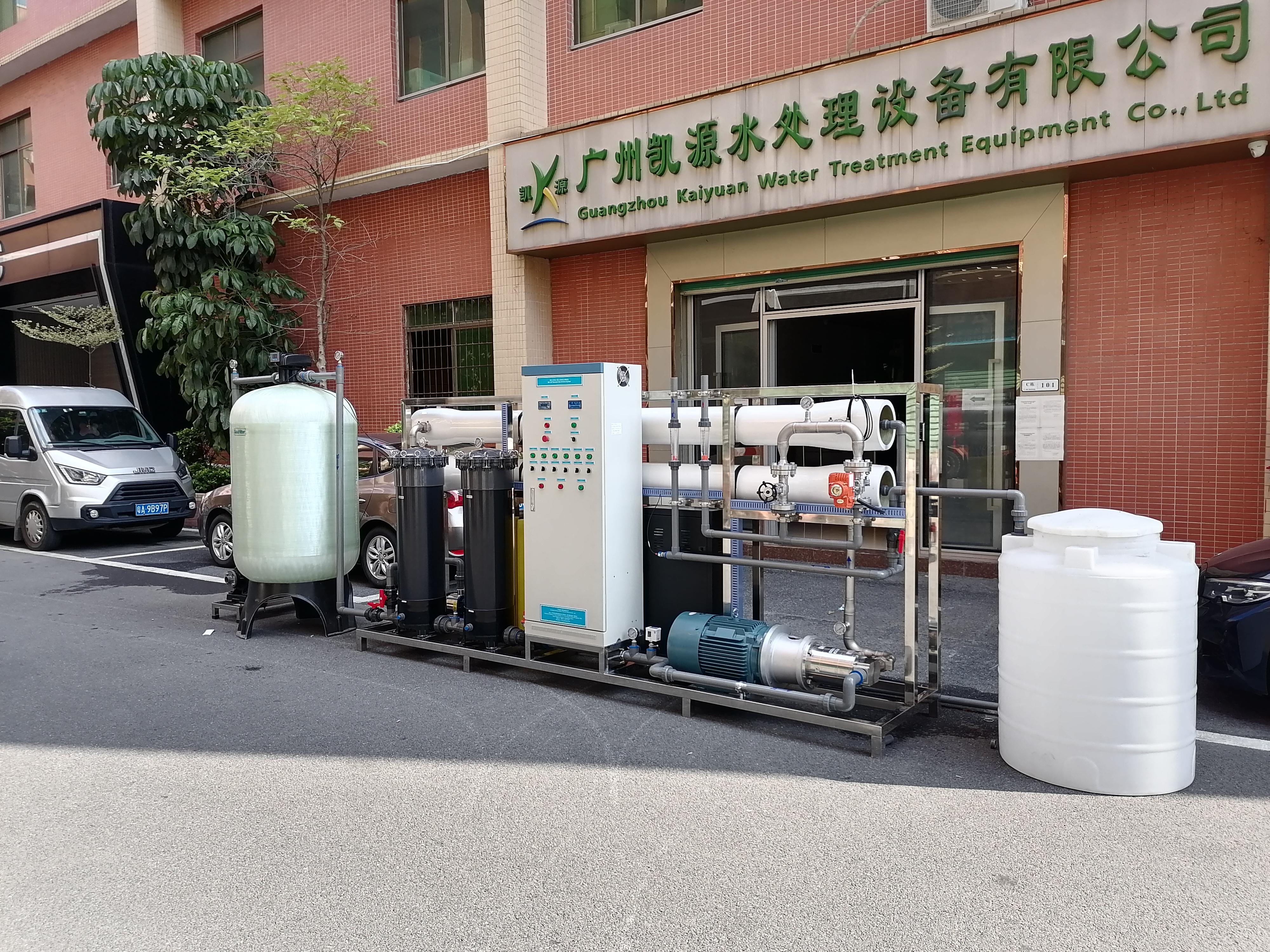
Biofouling remains the absolute most complex challenge in modern desalination. Physical filtration alone does not solve this persistent issue. UF and media filters cannot remove dissolved organics. These tiny dissolved organics freely pass through pretreatment and feed resilient marine bacteria.
Bacteria quickly attach to RO membranes and multiply rapidly. They form thick, protective biofilms known as extracellular polymeric substances (EPS). This stubborn slime layer severely restricts water flow. It forces pumps to work much harder and stubbornly resists standard cleaning chemicals.
Operators must implement highly precise chemical dosing to fight this threat. Chlorination or specialized biocides effectively control initial bacterial growth at the intake. However, active chlorine aggressively destroys sensitive polyamide RO membranes. Therefore, operators must follow chlorination with immediate and precise de-chlorination.
Dosing sodium bisulfite effectively quenches residual chlorine. This specific step prevents catastrophic oxidation damage to the RO elements. Redundant Oxidation-Reduction Potential (ORP) sensors must monitor this quenching process constantly.
Coagulants introduce another hidden chemical risk. Plants use iron or aluminum during the upstream coagulation stage. Poor calibration leads to dangerous metal carryover. If these coagulant metals reach the RO membranes, they cause severe inorganic fouling. You must monitor dosing pumps meticulously. Proper pH calibration prevents these easily avoidable chemical disasters.
Before shortlisting vendors, you need a comprehensive, year-long historical water quality study. This study acts as your foundational engineering requirement. You must track temperature, salinity, seasonal algae concentrations, and total suspended solids. A full year of data reveals hidden seasonal extremes that ruin undersized systems.
Next, carefully evaluate your footprint and scalability restrictions. Coastal zones almost always present strict land-use constraints. If physical space is tight, UF or MF becomes highly favorable. They deliver exceptionally high water output per square meter compared to sprawling conventional basins.
You also must weigh CapEx against long-term OpEx trade-offs. Evaluate how higher-efficiency pretreatment systems yield massive long-term operational savings. Better pretreatment significantly reduces RO energy usage. It also dramatically extends expensive membrane lifespans. Lower daily chemical usage further drops monthly operating expenses. Balancing these investments ensures financial viability over the plant's lifetime.
Finally, factor in strict compliance and environmental impacts. Consider exactly how you will handle pretreatment sludge disposal. Evaluate backwash water recovery methods to improve overall plant recovery rates. You must also adhere strictly to local environmental regulations regarding concentrated chemical discharge.
Conduct a full 12-month raw water profiling study to capture seasonal anomalies.
Assess physical land constraints thoroughly before selecting your core filtration types.
Model long-term energy and chemical savings against initial equipment procurement costs.
Review local environmental laws for proper sludge and brine disposal methods.
Relying on manual monitoring invites exceptionally high failure risks. Sensor calibration and robust automation protect your facility from human error. Automation controls dosing and backwashing based entirely on real-time data. Tracking live TMP or turbidity ensures rapid, accurate process adjustments.
Pilot testing often harbors dangerous blind spots. Short-term pilot studies frequently miss critical seasonal anomalies. A three-month winter test might miss severe storm surges entirely. It could also completely skip summer algal blooms. You must demand conservative design margins to handle these unpredictable unknowns.
Finally, consider the reality of operator expertise. Transitioning from conventional to membrane-based pretreatment requires significant staff upskilling. Plant operators must understand complex digital interfaces and automated valve sequences. Sophisticated digital systems easily fail without proper human oversight. Ongoing training guarantees smoother daily operations.
Skipping routine calibration for sensitive turbidity and chlorine ORP sensors.
Relying solely on short-term pilot data without adding conservative safety margins.
Failing to retrain operational staff when upgrading to advanced UF/MF systems.
Pretreatment forms the non-negotiable structural foundation of overall desalination efficiency. There is no universal "best" method available off the shelf. You only find the right engineered fit for your specific intake conditions. Protecting your RO membranes requires diligence, excellent data, and robust equipment.
To move forward successfully, initiate comprehensive source water profiling immediately. Engage specialized engineering firms for thorough pilot-scale testing. Complete these vital steps before committing to expensive, full-scale procurement. Gathering empirical data early prevents catastrophic operational failures later.
When shortlisting potential partners, always demand strict performance guarantees. Vendors must guarantee reliable SDI output below 3.0. They should also project clear CIP frequencies under your specific water conditions. Careful planning and rigorous evaluation now will save millions in future operating costs.
A: The industry standard requires an SDI-15 of less than 3.0 for optimal reverse osmosis performance. Maintaining an SDI below this strict threshold prevents rapid particulate fouling. It ensures the RO membranes achieve their maximum projected lifespan and keeps expensive chemical cleaning frequencies highly manageable.
A: Most modern RO membranes feature a thin-film composite polyamide layer. Active chlorine aggressively oxidizes and destroys this sensitive polymer. Once damaged, the membrane permanently loses its ability to reject salt. Operators must use precise quenching methods, like sodium bisulfite dosing, to neutralize chlorine completely before water reaches the RO units.
A: The choice depends on three main factors: available footprint, initial capital budget, and intake water variability. Media filtration costs less upfront but requires massive land space. It also struggles with sudden turbidity spikes. UF requires higher initial investment but provides superior, consistent water quality in a much smaller physical footprint.
A: Dissolved Air Flotation (DAF) specifically targets low-density suspended solids. Contaminants like algae, oils, and grease do not settle easily in standard gravity filters. DAF uses microscopic air bubbles to float these contaminants to the surface for removal. Operators use it as a preliminary defense in regions prone to severe algal blooms.


